How to read the label on a baby product
The ingredients worth avoiding in baby products, the ones unfairly maligned, and what HSA notification in Singapore does and does not mean.
The ingredients genuinely worth avoiding in a baby product are fragrance, strong preservatives known to sensitise skin, talc powders, antibacterial actives and medicated oils containing camphor or menthol. Several of the ingredients with the worst reputations are well tolerated. In Singapore, the first thing to understand is HSA notification, which never appears on the bottle at all.
A short, well-argued list is more use than a longer one designed to frighten you into a purchase.
What HSA notification actually means
Cosmetics sold in Singapore must be notified to the Health Sciences Authority before they go on sale, under the ASEAN Cosmetic Directive. The company declares that the product complies. The regulator does not test it first.
That system works through enforcement after the fact, which HSA does energetically, publishing alerts when a product is found to contain prohibited substances. The implication for a parent is specific. A product on a Guardian, Watsons or Unity shelf has gone through a traceable supply chain with a company that can be held responsible. A cream from an overseas social media seller may have gone through no checks at all.
So the first filter is where you buy, before you ever get to the ingredient list.
The ingredients we would genuinely keep away
Four of them, and the order below is the order we would act in.
Fragrance
One of the most common causes of allergic reactions to cosmetics, according to dermatology bodies including the AAD. On an ingredient list it appears as parfum or fragrance, one word standing in for anything from a handful of molecules to a hundred.
A baby has no use for scent. She already smells like a baby. Choose fragrance-free rather than unscented, since unscented sometimes means a masking fragrance was added.
Essential oils belong in this paragraph too. Natural does not mean non-allergenic, and several are potent sensitisers.
Camphor, menthol and medicated oils
This is the Singapore-specific entry, and the one we would move to the top of any list written for parents here.
Medicated oils and balms used locally for wind, blocked noses and insect bites frequently contain camphor, menthol or methyl salicylate. Camphor is absorbed through infant skin and is toxic in more than trace amounts. Menthol preparations are among the things families are told to be cautious with where a baby has G6PD deficiency, which every newborn in Singapore is screened for.
Keep them off infants unless a paediatrician has specifically said otherwise. The same goes for eucalyptus rubs on a baby's chest.
Talc and powders
The AAP advises against using powder on babies, because the fine particles can be inhaled and irritate developing airways. That applies to talc and to cornstarch alternatives alike.
Powder is deeply established here as the answer to prickly heat, and the reasoning behind it, keeping folds dry, is sound. The method is the problem. Dry the folds with a towel, let the skin breathe, and keep her in cotton. Prickly heat settles when a baby cools down, and heavy creams can trap sweat and make it worse.
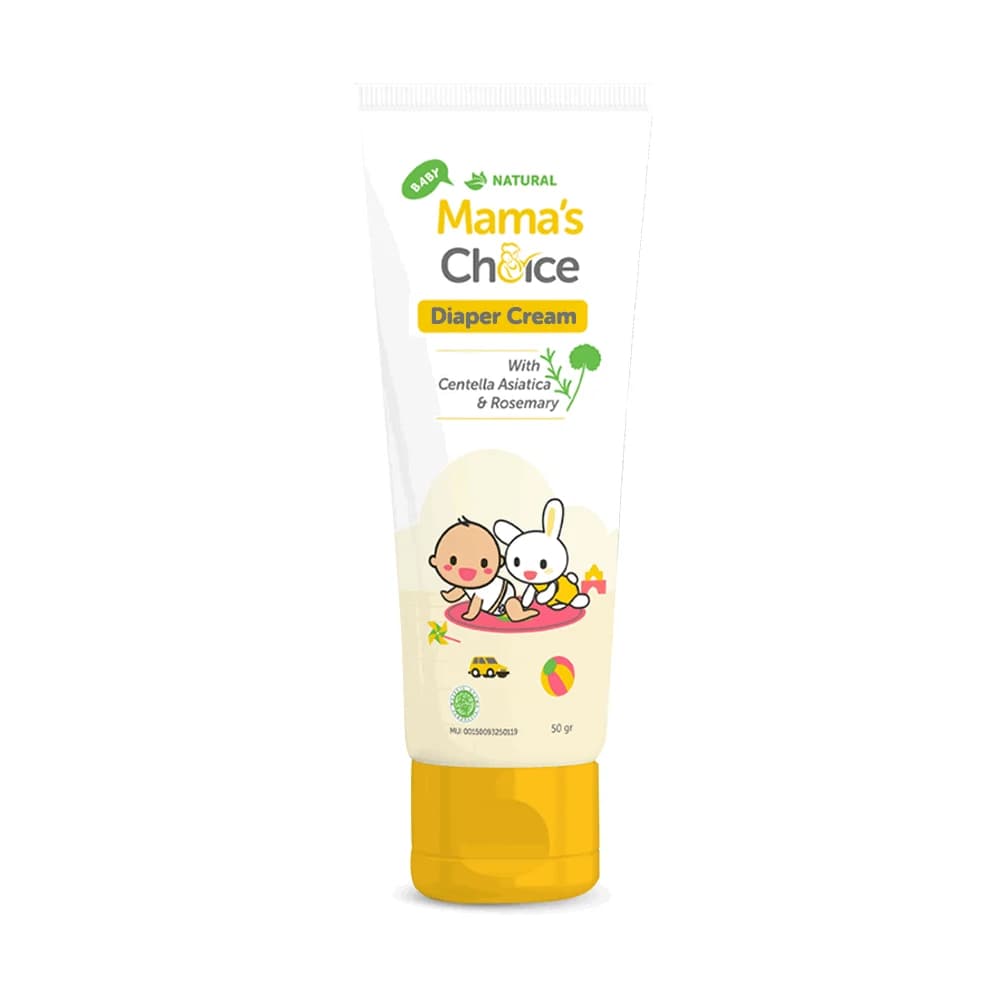
The diaper area is a different job. Our Baby Diaper Cream is a light moisturising cream for that area, with centella asiatica, chamomile and liquorice extracts and sweet almond oil. It contains no zinc oxide, and its label lists a fragrance (aroma), so measured against the table further down it is not the fragrance-free choice. More on the diaper area in preventing diaper rash and in common baby rashes.
Antibacterial actives
Triclosan and triclocarban were removed from consumer antibacterial washes in the United States in 2016 because manufacturers could not show they outperformed plain soap. Both are restricted rather than banned in this region, so they still appear.
A baby does not need an antibacterial wash. Soap and water removes what needs removing, and wiping out skin flora is not a goal. Our longer piece on triclosan covers what the evidence does and does not say.
The ingredients that need a closer look
These come with real rules and real nuance, and a blanket avoid-everything approach gets them wrong.
Formaldehyde releasers
Preservatives such as DMDM hydantoin, quaternium-15, imidazolidinyl urea and diazolidinyl urea release small amounts of formaldehyde to keep a product sterile. They are effective and they are recognised contact allergens.
Preservatives themselves are necessary. A water-based cream without one grows bacteria and mould, which in our humidity happens quickly. The choice is between preservative systems, not between having one and not.
Parabens, with the actual rules
Some parabens are prohibited under the directive HSA enforces, and others are restricted by concentration. Leave-on products intended for the diaper area of young children carry further restrictions, which is why they turn up less in that category.
Methylparaben and ethylparaben, the two most commonly used, remain permitted within limits and have a long safety record. Our view is that a reformulated product without them is fine, and that a product with them is not a hazard you need to clear out of the cupboard tonight.
Phthalates
Used as plasticisers and as fragrance fixatives. The FDA maintains a page on their use in cosmetics, and the main route of exposure for a baby is not skincare at all. It is soft plastic.
Practical steps:
- Choose silicone or hard plastic teethers over soft vinyl
- Do not microwave food in takeaway containers
- Replace scratched or cloudy plastic bottles and tubs
- Avoid strongly scented soft plastic toys, where fragrance and plasticiser arrive together
Alcohol, and the confusion around it
Denatured alcohol high in a leave-on product dries baby skin, and that is a reasonable thing to avoid in a moisturiser.
Fatty alcohols are a different chemistry entirely. Cetyl alcohol, stearyl alcohol and cetearyl alcohol are emollients that soften skin and hold a cream together. Seeing the word alcohol and putting the tube down is a mistake, and we explain why in whether cetyl alcohol is good for skin.
Sulfates
Sodium lauryl sulfate and sodium laureth sulfate clean well and can irritate at higher concentrations. In a rinse-off wash used briefly on a baby, the realistic risk is dryness rather than damage.
Worth avoiding in a daily baby wash, particularly if she has eczema. Not worth losing sleep over in a shampoo you use weekly.
The ones treated unfairly
A few ingredients get condemned without cause, and knowing them saves you money.
Mineral oil. Cosmetic grade is highly purified, sits on the surface, and is one of the best-tolerated occlusives there is.
Glycerin. A humectant that draws water into the skin barrier. Cheap, effective, boring.
Preservatives as a class. See above. A product that claims to be preservative-free and sits in a warm bathroom is a product you should be more worried about.
A practical way to shop
| Product type | What matters most | What to skip |
|---|---|---|
| Baby wash | Fragrance-free, mild surfactants | Antibacterial claims, strong sulfates |
| Lotion and cream | Simple emollient, no parfum | Essential oils, high denatured alcohol |
| Diaper cream | Barrier ingredients, zinc or similar | Fragrance, medicated oils |
| Teether | Silicone or hard plastic, one piece | Soft vinyl, liquid-filled, scented |
| Anything for wind or congestion | Ask a paediatrician | Camphor, menthol, methyl salicylate |
| Detergent for her clothes | Fragrance-free, extra rinse | Fabric softener, scent boosters |
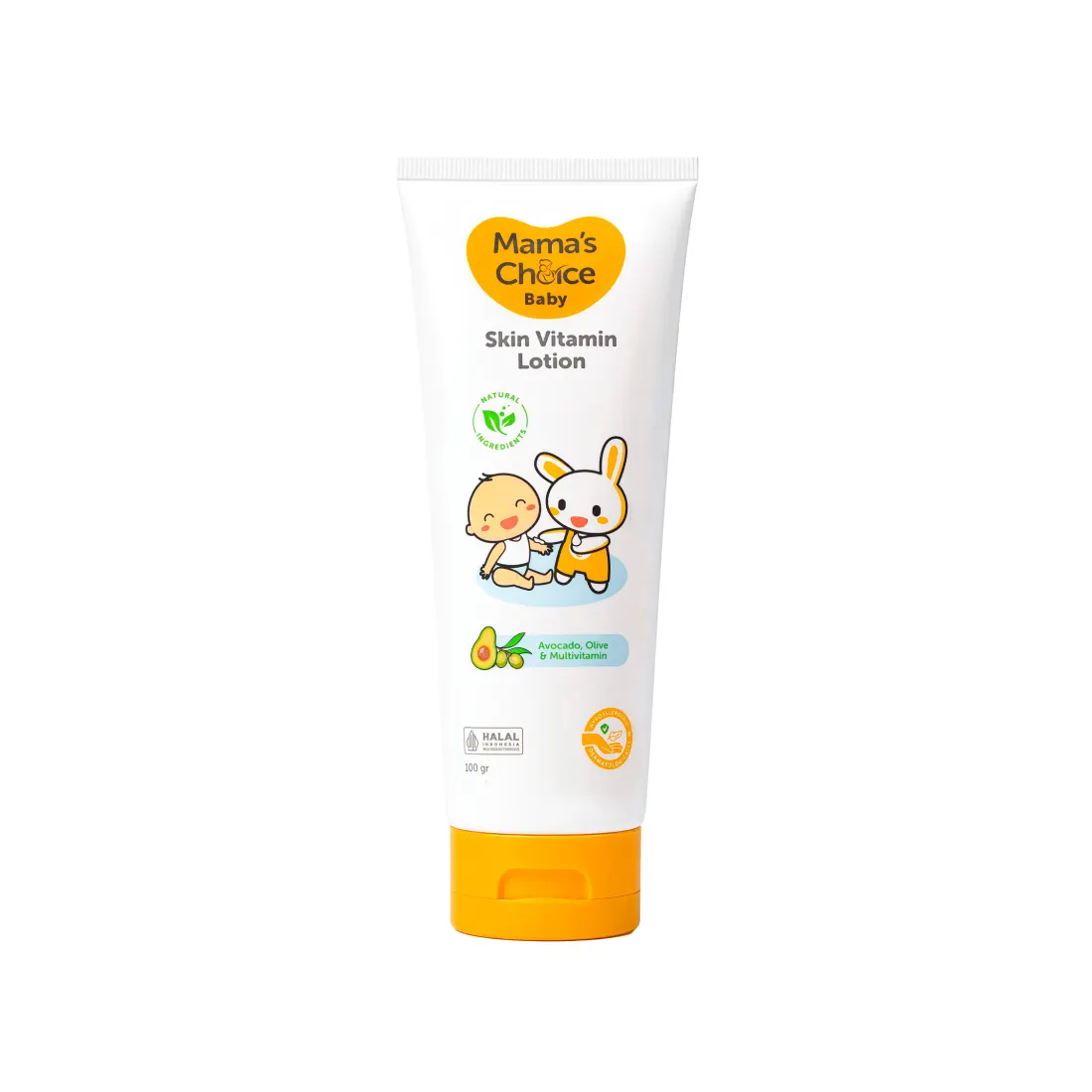
For leave-on skincare, our Baby Skin Vitamin Lotion is a body lotion with shea butter and avocado, olive and almond oils, made without added parfum or denatured alcohol. Its ingredient list does include sweet orange peel oil, a citrus oil, which is worth knowing if your baby's skin reacts to essential oils.
What to do with what you already own
Nothing dramatic. Finish the fragranced bath wash on your own skin if you like, replace what runs out with something simpler, and move only the camphor and menthol oils out of reach straight away.
A shorter shelf is also a cheaper one. Our list of newborn products genuinely worth owning runs to fewer items than the aisle suggests, and the chemicals worth watching during pregnancy itself are set out in harmful chemicals in pregnancy and breastfeeding.
Frequently asked questions
- Does HSA approve baby products before they are sold?
- No. Cosmetics must be notified to the Health Sciences Authority before sale, and notification is a declaration by the company rather than an approval by the regulator. HSA then polices the market and publishes alerts when a product breaches the rules.
- Is baby powder safe?
- The AAP advises against powders for babies because fine particles can be inhaled and irritate the airways. Keeping skin folds dry and cool does the same job without the risk. Heavy creams are not the answer to prickly heat either, since they can trap sweat and make it worse.
- Are parabens banned in Singapore?
- Some are prohibited and others restricted, under the same ASEAN Cosmetic Directive annexes HSA enforces. Leave-on products for the diaper area of young children carry extra restrictions, which is why you see fewer of them in that category.
- Does fragrance-free mean unscented?
- Not always. Unscented can mean a masking fragrance has been added to cover a raw material's smell. Fragrance-free is the term to look for, and on an ingredient list the word to check for is parfum.
- Is mineral oil bad for babies?
- No. Cosmetic-grade mineral oil is highly purified, sits on the skin rather than being absorbed, and has a long record of being well tolerated. It is one of the ingredients the natural-products conversation treats unfairly.
Sources
- HSA — Cosmetic product notification requirements and safety alerts
- FDA — Phthalates in cosmetics, and the 2016 rule on triclosan
- AAD — Contact dermatitis, fragrance and preservative allergens
- AAP HealthyChildren — Baby powder and infant skin care
- HealthHub (Health Promotion Board) — G6PD deficiency and substances to avoid
Share this article
This article is for information only and is not a substitute for diagnosis or medical advice. Please talk to your doctor about your own situation.