How to choose a stretch mark cream in Singapore
What the evidence really says about preventing and fading stretch marks, which ingredients to avoid in pregnancy, and how to read a label here.

No cream has been shown to stop stretch marks forming, and none removes one that has already settled. Good products still earn a place by keeping stretched skin moisturised and comfortable through the months it is being pulled. Choose on ingredients you can read, on pregnancy safety, and on whether you will use the thing daily.
What the evidence actually shows
Cochrane, which pools existing trials rather than running new ones, looked at the topical preparations sold to prevent stretch marks in pregnancy and found no high-quality evidence that any of them works. The NHS reaches the same conclusion about creams, oils and lotions. The trials that exist are small, short and inconsistent with each other.
That is an uncomfortable sentence for a company that sells a stretch mark cream to print. It is still the truth, and you deserve to spend your money knowing it.
The American Academy of Dermatology adds the part most women want to hear. Stretch marks usually fade by themselves, from red or purple to a paler silvery line, and they grow less noticeable over time whether or not anything is applied to them. Our piece on what stretch marks actually are explains why they appear in the first place.
So why bother with a cream at all? Because stretched skin dries out, dry skin itches, and a scratched belly in this humidity is genuinely miserable. Comfort is a real reason to buy one. It is a different reason from prevention, and a label should be clear about which one it is offering.
Can anything fade a mark that has already formed?
Timing is the one variable with decent evidence behind it. The American Academy of Dermatology says treatment has the best chance while a mark is still red or purple, when the skin is actively remodelling. Once it has turned white and slightly sunken, topical products do very little.
For older marks, AAD points past creams towards procedures carried out by a dermatologist, including laser, microneedling and radiofrequency. None of them erases a mark. They make it less obvious, they cost real money, and here they are classed as private aesthetic treatment, so the bill is entirely yours.
What to look for and what to leave on the shelf
| What to look for | What to avoid |
|---|---|
| A full ingredient list printed on the carton | A pack that names a "proprietary complex" and nothing else |
| Emollients and humectants such as shea butter, cocoa butter, glycerin, hyaluronic acid or squalane | Retinol, retinyl palmitate, tretinoin, adapalene and every other retinoid |
| A light texture you will reapply twice a day in this heat | A heavy balm you will abandon by week 30 |
| Fragrance-free or very lightly fragranced if your skin has turned touchy | A product thick with essential oils, applied to skin you have been scratching |
| A visible batch number and expiry date | A percentage claim on the front of the box |
| A seller who can tell you where it was manufactured | A seller whose only evidence is a before-and-after photograph |
Testimonials are the weakest evidence on that list, and they are the kind brands lean on hardest. A five-star review tells you somebody liked the texture. It cannot tell you what their skin would have done anyway.
Which ingredients are off-limits while you are pregnant
Retinoids come first, and this is the rule worth being strict about. The AAD advises against tretinoin while you are pregnant or breastfeeding, and the same caution covers the retinol and retinyl palmitate sitting in ordinary anti-ageing creams. Your pre-pregnancy night cream does not automatically belong on your bump. Check the carton.
ACOG frames the wider approach sensibly. Skin changes in pregnancy are common and mostly harmless, and anything stronger than a moisturiser is worth running past your obstetrician before you start. Prescription lightening agents and strong chemical peels belong in that conversation rather than in your trolley.
Fragrance is the quieter problem. If your skin has turned reactive this pregnancy, and plenty of women find it has, a heavily perfumed product is the first thing to drop. Patch test on your forearm. Wait a day before you commit a whole belly to it.
How to read a label in Guardian, Watsons or Unity
Cosmetics in Singapore are not approved before they go on sale, and that matters while you are standing in the aisle. Cosmetics here fall under the Health Sciences Authority, which runs a notification system: a company tells HSA the product exists and carries responsibility for its safety. No approval stamp exists. Any pack implying one is overstating things.
What the label must carry is the full ingredient list, so turn the carton over and use it. Read for the retinoid names. If the ingredients only appear on a peeling sticker, or the only ones mentioned are the flattering few printed on the front, put it back on the shelf.
HSA also publishes safety alerts and recalls for cosmetic products. A quick search is worth the minute before you buy something unfamiliar from an online seller.
Building a routine you will actually keep
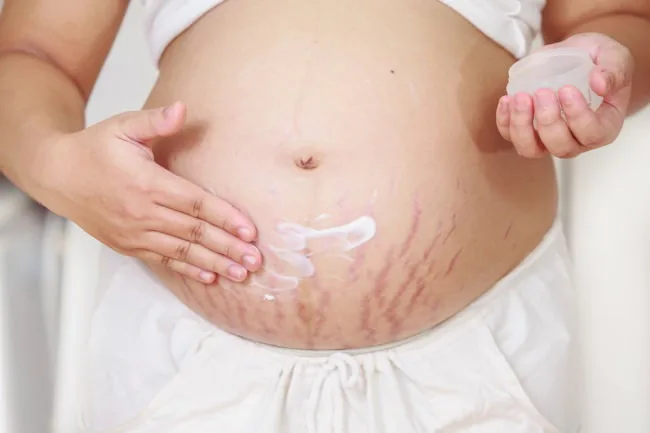
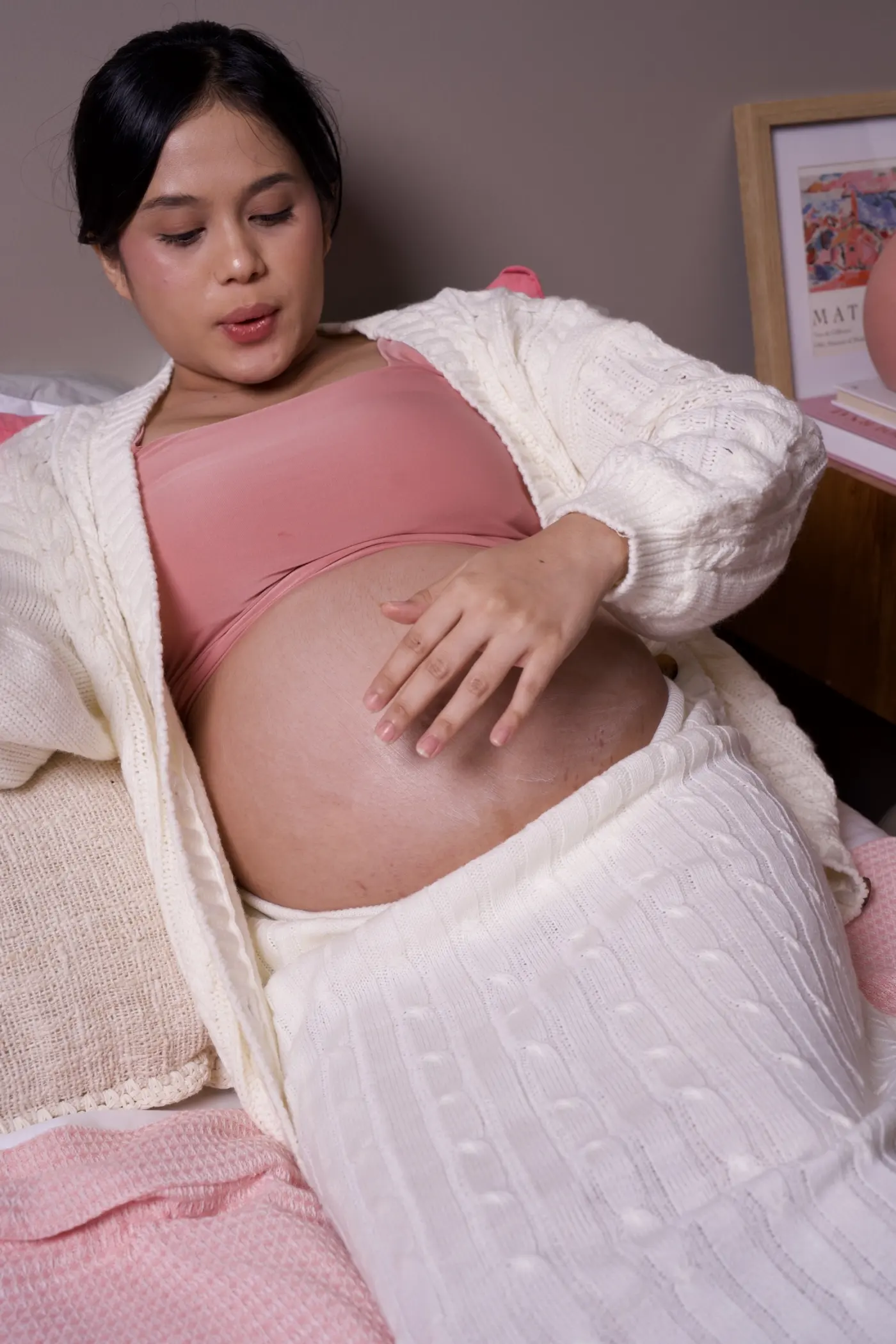
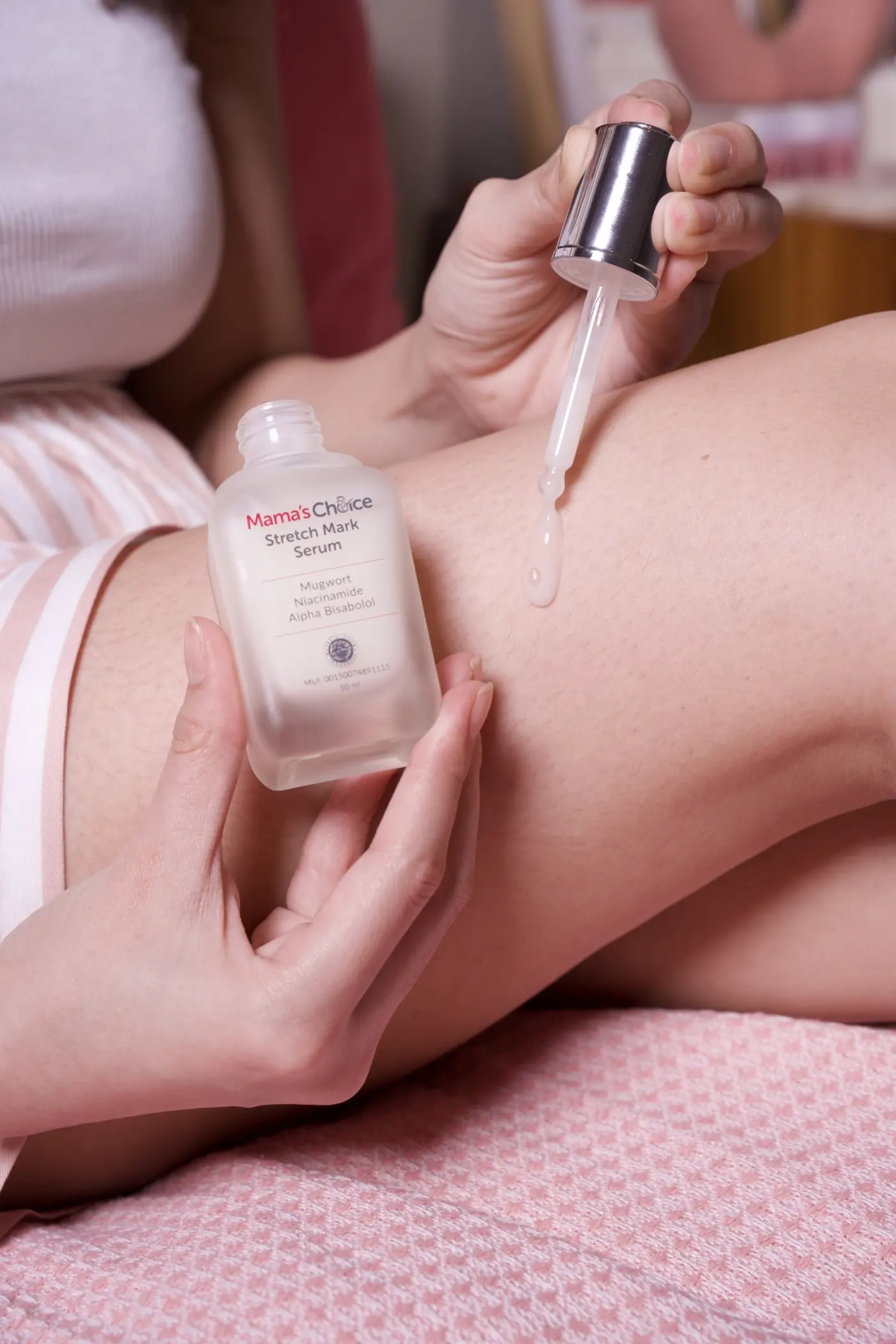
Apply after a shower while your skin is still slightly damp, which is when an emollient holds the most water against the skin. Twice a day beats one heroic layer. Take a minute over it with your hands. Many women find those few minutes of massage are what makes the dry, tight feeling of the third trimester easier to live with.
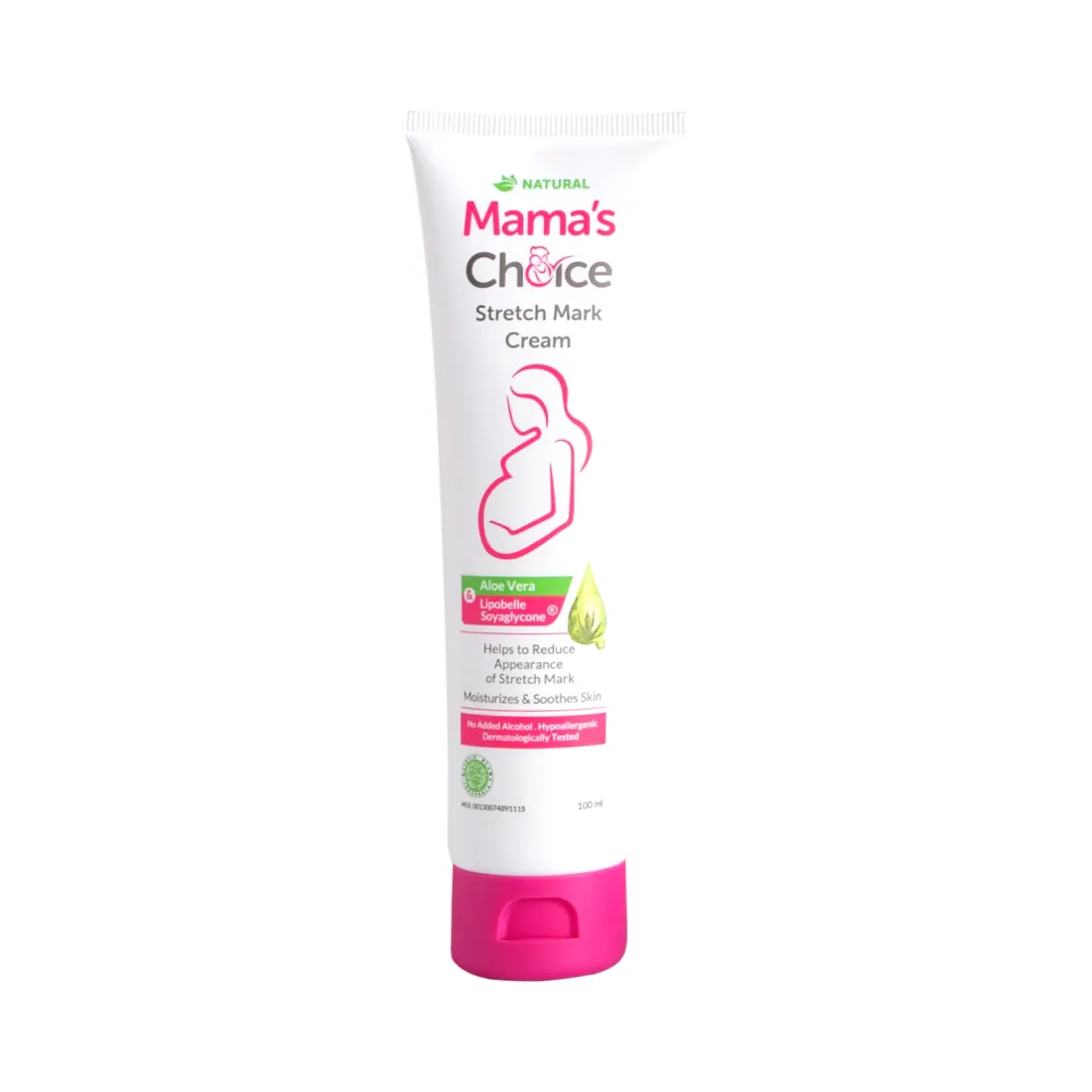
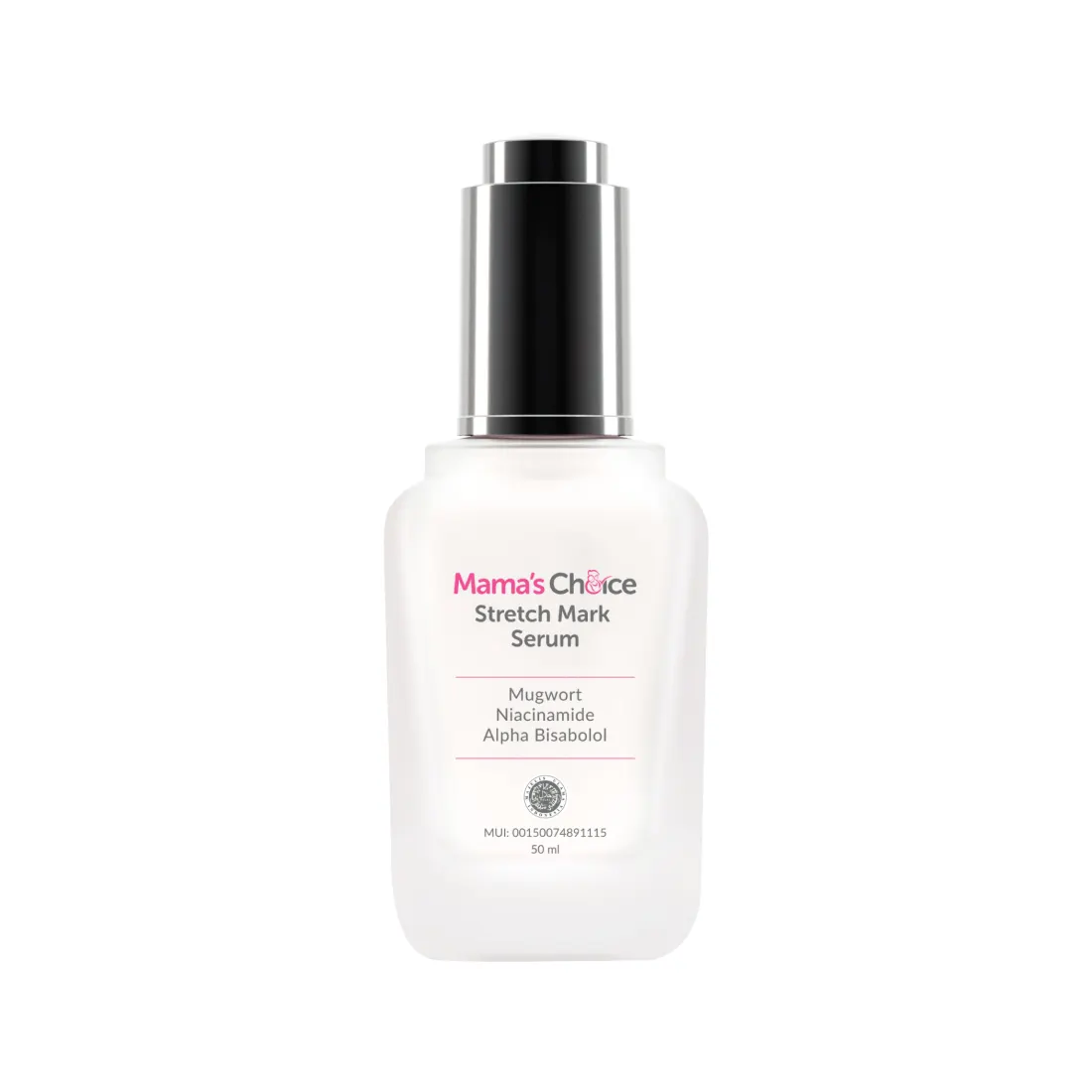
If you would rather use something formulated for pregnancy than borrow from your usual shelf, Mama's Choice makes two. The Stretch Mark Cream has shea butter, olive and jojoba oils and aloe vera, and the lighter Stretch Mark Serum has niacinamide and bisabolol. Both are formulated for use during pregnancy and breastfeeding, both moisturise stretching skin, and both print their full ingredient lists on the pack. Both also contain a light fragrance, so patch test first if your skin has turned touchy. Pick the texture you will reach for at seven in the morning, because a product only does anything if it gets used.
Shea butter and cocoa butter are the two classic bases, and our comparison covers how each behaves on skin in a humid climate. For the itch itself, we have a separate guide to soothing itchy stretch marks.
When itching means something other than dry skin
Most pregnancy itching is mechanical. Skin stretches, skin dries, skin complains. Our guide to itchy skin during pregnancy covers the ordinary version and what settles it.
One pattern needs a doctor the same day. The NHS describes intense itching with no rash, often worst on the palms of your hands and the soles of your feet and often worse at night, as a possible sign of intrahepatic cholestasis of pregnancy. It is a liver condition. It needs a blood test, no cream touches it, and the sooner it is picked up the better it is managed.
If that is what your itching looks like, call your polyclinic or your obstetrician before you reach for the moisturiser.
Frequently asked questions
- Do stretch mark creams actually work?
- Cochrane reviewed the trials of topical preparations for preventing stretch marks in pregnancy and found no high-quality evidence that any of them works. The NHS says much the same about creams, oils and lotions. They do keep stretched skin moisturised and comfortable, which is a reason to use one, and a different reason from prevention.
- Can I use retinol on stretch marks while pregnant?
- No. The American Academy of Dermatology advises against tretinoin while you are pregnant or breastfeeding, and the same caution covers retinol and retinyl palmitate in ordinary anti-ageing creams. Leave retinoids until after you have stopped nursing, and ask your doctor first.
- Is it too late once my stretch marks have turned white?
- Topical products do very little at that stage. The American Academy of Dermatology says treatment works best while a mark is still red or purple, and points to procedures such as laser or microneedling for older marks. Those are private aesthetic treatments in Singapore, so you pay for them yourself.
- Does HSA approve stretch mark creams?
- Not in the way people assume. The Health Sciences Authority runs a notification system for cosmetics, so a company tells HSA the product exists and carries responsibility for its safety. No approval stamp exists, and any pack claiming one is misleading you.
- How often should I apply it?
- Twice a day beats one thick layer. Apply after a shower while your skin is still slightly damp, which is when an emollient holds the most water in. Choose whichever texture you will genuinely reapply in this climate.
Sources
- Cochrane — Topical preparations for preventing stretch marks in pregnancy
- American Academy of Dermatology — Stretch marks, why they appear and how to get rid of them
- NHS — Stretch marks in pregnancy
- NHS — Itching and intrahepatic cholestasis of pregnancy
- ACOG — Skin Conditions During Pregnancy
- Health Sciences Authority — Cosmetic product notification and labelling requirements
Share this article
This article is for information only and is not a substitute for diagnosis or medical advice. Please talk to your doctor about your own situation.