Common baby rashes in Singapore and what to do
Heat rash, diaper rash, eczema, hives and cradle cap compared for Singapore parents, plus the red flags and when a rash with fever means dengue.
Most baby rashes in Singapore turn out to be heat rash, diaper rash or eczema, and most improve with simple care at home. A rash with a fever is the one that changes the plan, and a rash that does not fade when you press on it needs an emergency department tonight.
The order of likelihood here differs from the parenting books, which are mostly written for countries with a winter. Sweat is the dominant trigger in a flat at 30°C.
Why heat rash is the rash you will see most here
Heat rash, or prickly heat, is what the NHS calls the fine red bumps that appear when sweat ducts block and sweat is trapped under the skin. It turns up on the neck, chest, shoulders, armpits, elbow creases and groin, and it itches or prickles enough to make a baby grizzly and restless.
Babies get it more easily than adults because their sweat ducts are still immature. Add the National Environment Agency's picture of our climate, daytime temperatures around 30°C with humidity near 80% all year, and the conditions never really let up.
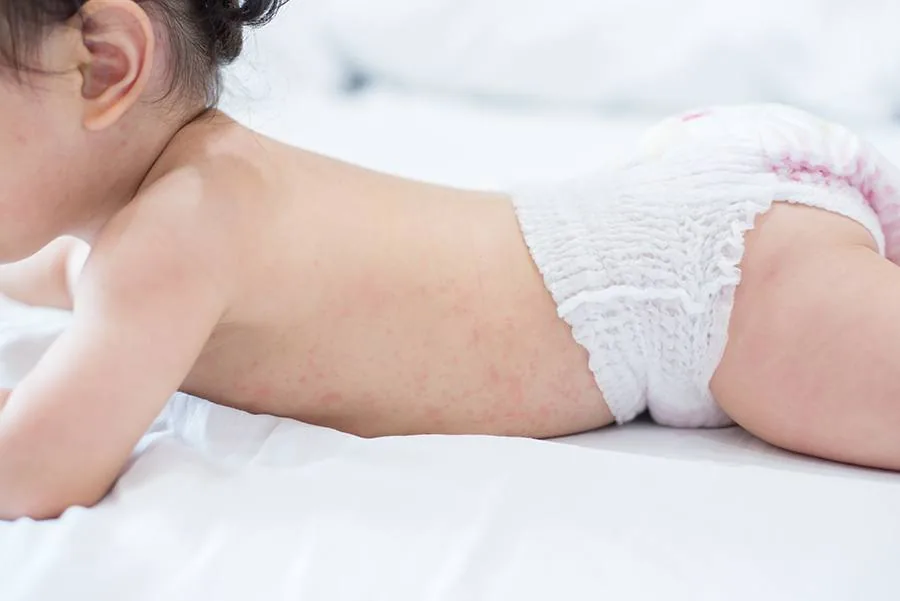
Singapore produces its own particular versions of it. The damp patch where your baby's back rests against your chest. The sweaty ring under a bib after a feed. The back of the head against a stroller liner on a 2pm walk, and the neck folds where milk, drool and sweat pool together.
Then there is the clothing argument every family has. A grandparent or a nanny who worries about a baby catching cold will layer a bodysuit, a romper and a swaddle, and the result is a rash by morning.
What clears heat rash
Cooling is the whole treatment. The NHS advises keeping the skin cool, wearing loose cotton, cool baths or showers, and a cool damp cloth on the area, and it says heat rash usually settles within a few days.
In practice that means a few habits. Dress your baby in one layer of thin cotton and nothing over it. Set the aircon around 25°C with a fan on low rather than a cold room with the windows shut. Dry the neck and thigh folds properly after every feed and every change.
Avoid scratching, avoid perfumed products on the area, and leave thick creams off a sweaty back, because an occlusive layer over blocked ducts keeps the sweat exactly where the problem is.
A table of the commonest baby rashes
| Rash | What it looks like | Where it appears | What helps | When to get it seen |
|---|---|---|---|---|
| Heat rash | Fine red bumps, sometimes tiny clear blisters, prickly | Neck, chest, shoulders, armpits, groin, skin folds | Cool the skin, one thin cotton layer, dry the folds | No better after a few days, or the skin looks infected |
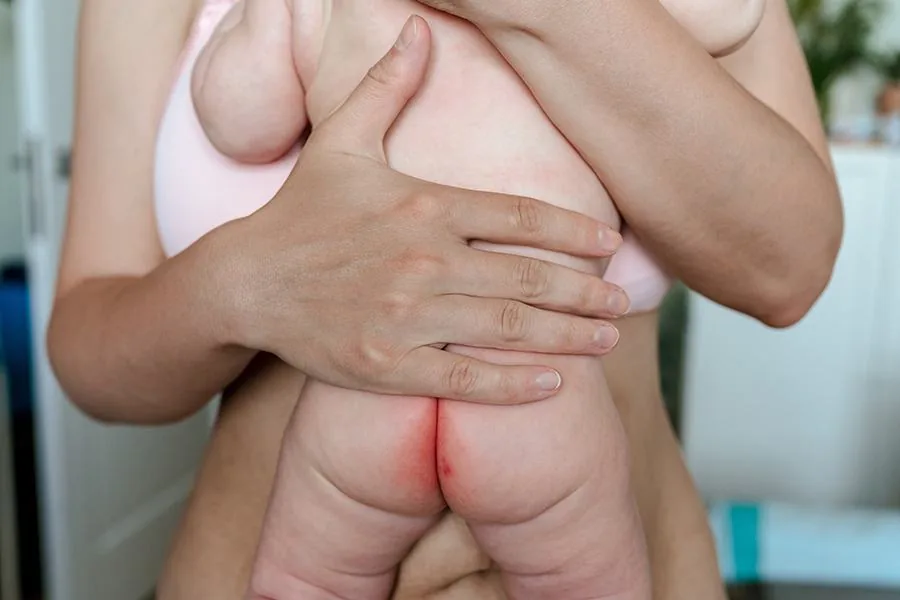
| Diaper rash | Red blotchy sore patches, sometimes spots or small lumps | Bottom, genitals, thigh creases, under the waistband | Frequent changes, water or fragrance-free wipes, barrier cream, diaper-free time | Blisters, pus, bright red with outlying spots, fever, no change in a few days |
| Eczema | Dry, rough, itchy skin, cracked or weeping in flares | Cheeks and scalp in young babies, elbow and knee creases later | Fragrance-free emollient often, lukewarm baths, steroid for flares | Weeping, yellow crusting, sleep lost to itching, no response to emollient |
| Hives | Raised welts with pale centres that move around the body | Anywhere, often changing within hours | Remove the trigger, cool compress, antihistamine if prescribed | Swelling of lips or tongue, any breathing trouble, call 995 |
| Cradle cap | Greasy yellow or white scales | Scalp, eyebrows, sides of the nose | Gentle washing, soften and brush out, do not pick | Spreading beyond the scalp, redness, weeping, or itching |
| Baby acne | Small red or white bumps on reddened skin | Cheeks, nose, forehead | Plain water, patience, no acne products | Pustules in a newborn, or your baby seems unwell |
What to do about diaper rash
Diaper rash is red, blotchy, sore skin where the diaper sits. The NHS describes it coming from prolonged contact with urine and stool, from friction, from soap and from bouts of diarrhoea, and it notes that a course of antibiotics can set one off too.
Our heat makes a diaper a warm sealed pocket, so the window between a wet diaper and a sore bottom is shorter here than the packaging suggests. Change more often than you think you need to, especially after a nap in a car seat.
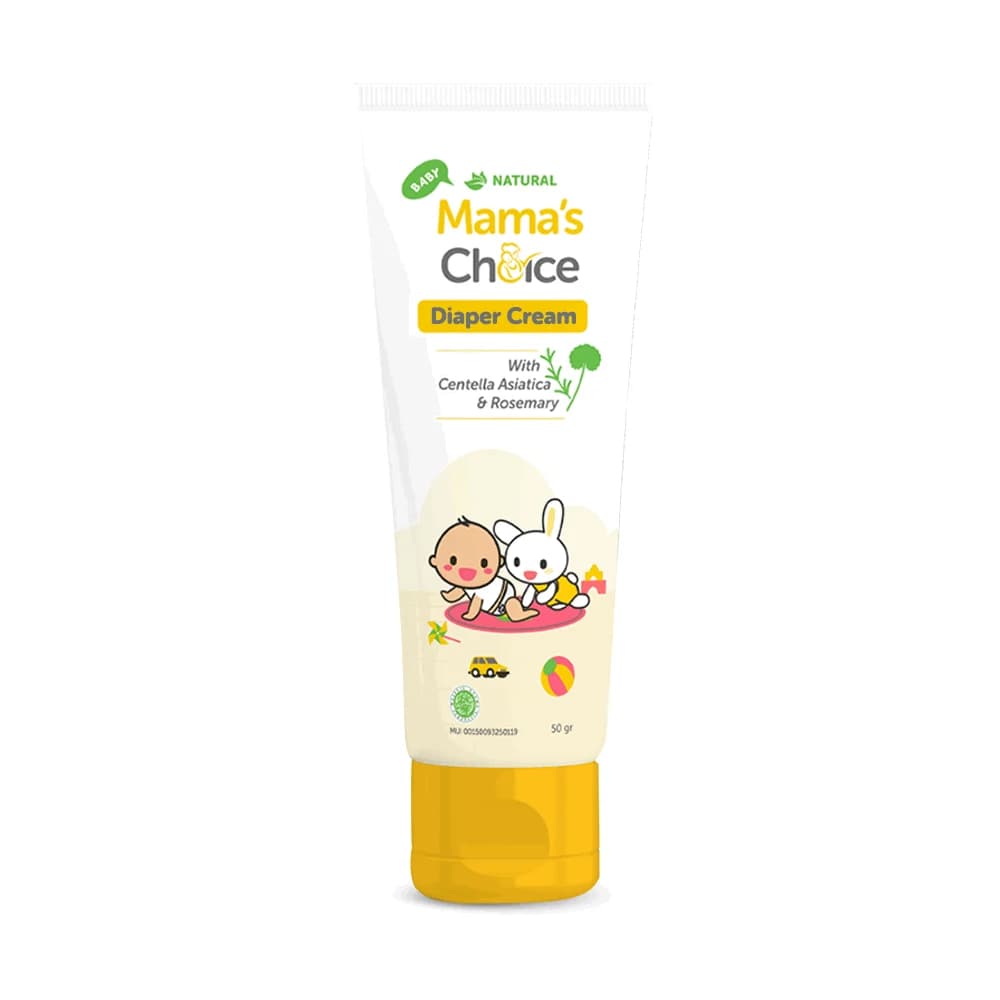
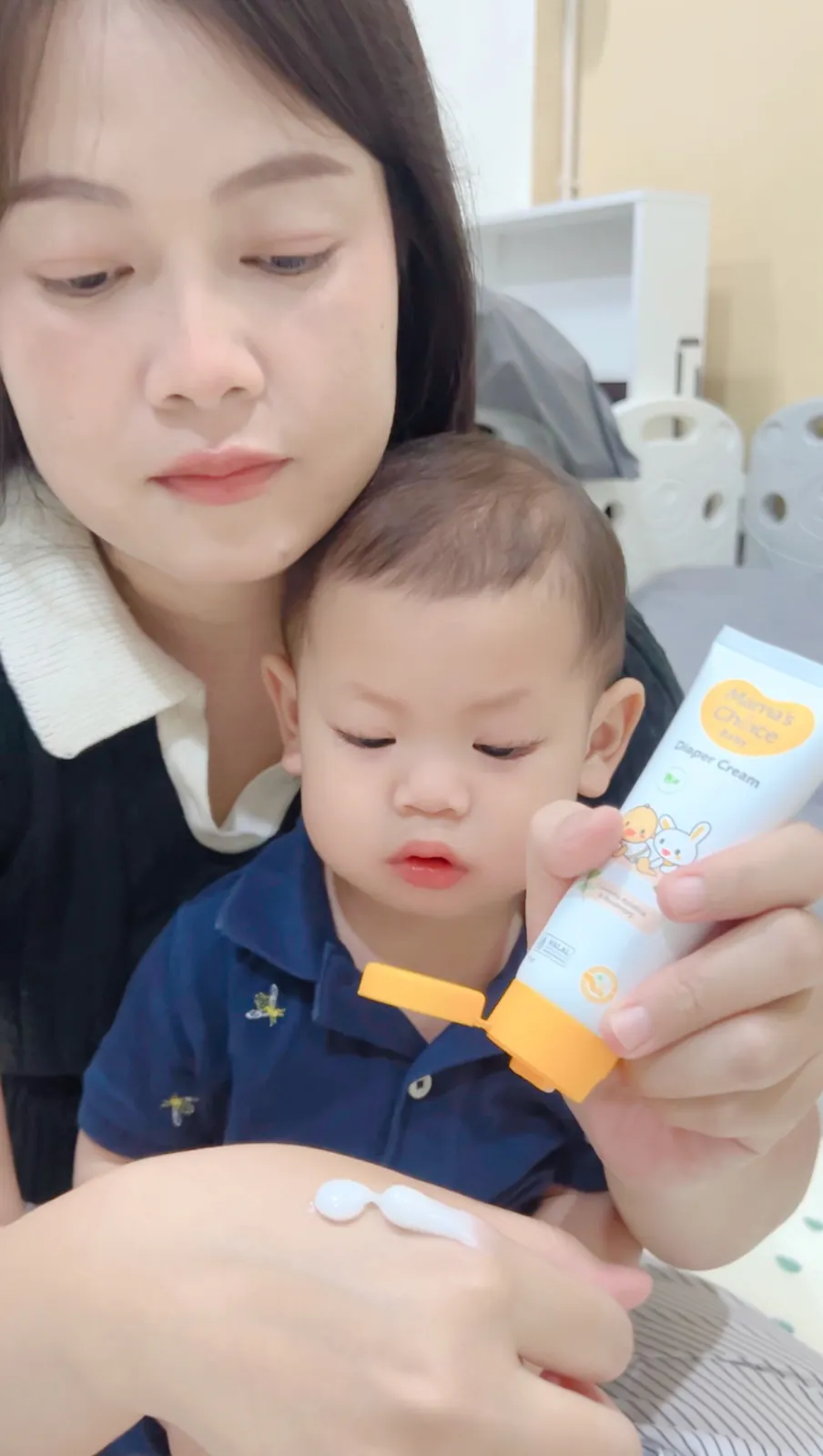
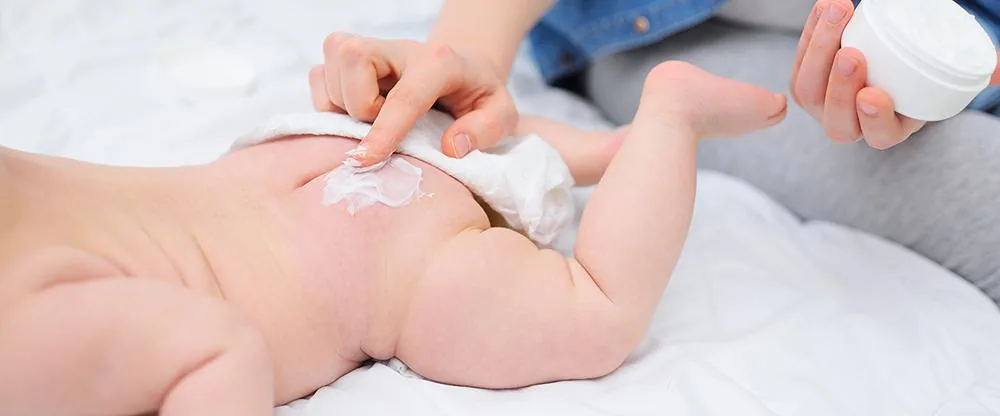
The routine that works is dull and effective. Clean with water or a fragrance-free wipe, pat dry rather than rub, then a thin layer of barrier cream at each change while the skin is sore. For everyday care, our Baby Diaper Cream is a light, non-sticky cream that moisturises the skin and helps protect it in the diaper area, and it works on the neck folds and underarms too. It is made with centella asiatica, chamomile and sweet almond, without mineral oil, alcohol or parabens; we looked at centella in more detail in our piece on centella asiatica. Where the skin is already broken, ask your pharmacist for a zinc oxide paste instead.
Diaper-free time is the cheapest thing on the list. Lay your baby on an old towel on the floor for twenty minutes after a bath and let the air do the work. Our fuller guide to preventing diaper rash covers fit, wipes and the mistakes that keep a rash going.
Get it looked at if the rash blisters or oozes, if it is bright red with small spots scattered beyond the main patch, which can mean thrush, or if nothing changes after a few days of careful care.
Eczema, and why air conditioning makes it worse
Eczema in babies is dry, itchy and persistent. The American Academy of Dermatology describes infant eczema sitting mainly on the cheeks and scalp, moving to the elbow and knee creases as a child grows, and flaring in response to heat, sweat, soap and irritants.
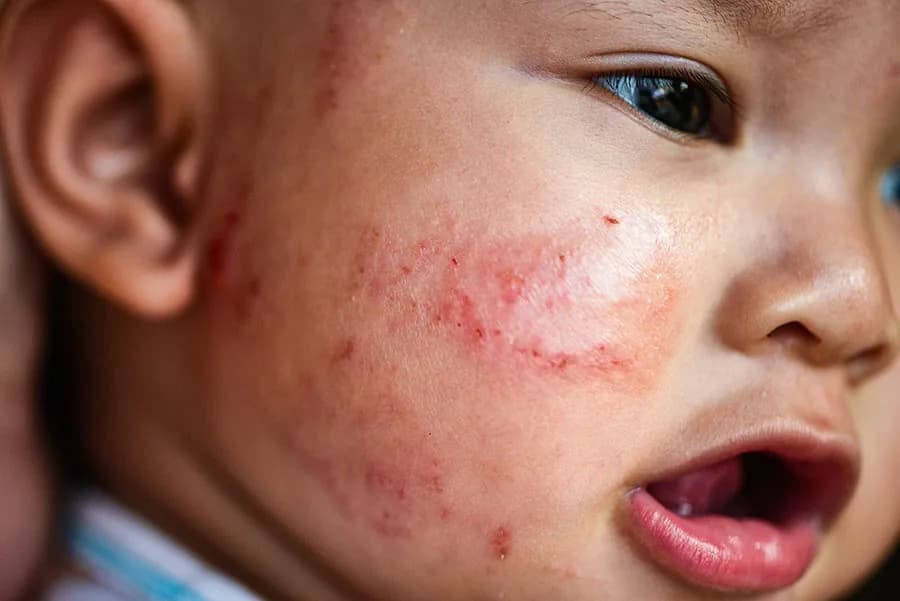
Singapore hands eczema two triggers at once. Sweat irritates the skin through the day, and then an air-conditioned bedroom overnight pulls moisture out of it, which is why flares so often look worst first thing in the morning. House dust mites also do well in our humidity, and they are a common trigger.
Emollient is the foundation, applied liberally and more often than feels necessary, with lukewarm baths and fragrance-free everything. Leave the kitchen oils in the kitchen, since olive oil is high in oleic acid and dermatology advice steers parents away from it for eczema-prone skin.
A polyclinic doctor can prescribe a topical steroid for flares, and persistent cases can be referred to paediatric dermatology at KK Women's and Children's Hospital. Ask if you are managing it alone month after month.
Cradle cap on the scalp and eyebrows
Cradle cap is the greasy yellow or white scaling on a newborn's scalp, and it can reach the eyebrows and the sides of the nose. The NHS says it is harmless, not itchy, not contagious, and that it usually clears on its own, sometimes taking several months.
Wash the scalp gently with a mild baby cleanser, soften stubborn scales with an emollient before washing, and lift them with a soft brush. Do not pick at them. Picking breaks the skin and invites infection, and our guide on cradle cap has the full routine.
Hives, baby acne and milia
Hives are raised welts with paler centres that appear and move around within hours. Food, medicines, insect bites and viral infections can all set them off, and heat is a trigger in its own right. Most episodes settle within days once the cause is gone.
One exception needs naming clearly. Swelling of the lips or tongue, drooling, a hoarse cry or any difficulty breathing alongside hives means an allergic reaction that cannot wait. Call 995.
Baby acne is the small red and white bumps on a newborn's cheeks and nose. It clears without treatment over weeks to months, and acne products have no place on it. Those tiny firm white dots that look like seeds are usually milia, which we cover separately in our piece on milia on a baby's face.
A rash with fever, and why Singapore checks for dengue
A rash plus a fever carries a different weight here. Dengue is endemic in Singapore, the National Environment Agency publishes active cluster locations block by block, and the Ministry of Health runs the weekly surveillance that tracks case numbers.
Dengue usually opens with a sudden high fever rather than a rash. A flushed face early on, and then a blotchy or patchy rash a few days in, is the typical pattern, and small red spots can appear as the fever breaks. A baby may show nothing more specific than fever, irritability and refusing feeds.
Two practical points. Use paracetamol rather than ibuprofen or other anti-inflammatories while dengue is in the picture, because they affect bleeding, and get any feverish infant assessed rather than watched. Warning signs that mean going straight to hospital include persistent vomiting, bad tummy pain, bleeding gums or nose, bruise-like spots, and a child who is drowsy or hard to rouse.
Check the NEA cluster list for your address, and see our article on dengue symptoms and prevention for the mosquito side of it.
Where to go, and when it cannot wait
Go to a children's emergency department now if any of this is true.
- The spots do not fade when you press a clear glass against the skin.
- Your baby is under three months old and has a fever.
- Your baby is floppy, drowsy, hard to wake, or breathing fast.
- There is swelling of the lips or tongue, or any trouble breathing.
- The rash is spreading quickly, or the skin is blistering or peeling off.
- Your baby has stopped feeding, or diapers have stayed dry for hours.
For anything less alarming, a polyclinic appointment during the day is subsidised and usually enough, and a GP covers evenings and Sundays. KKH runs its Children's Emergency around the clock, and NUH has one as well if you are on the west side of the island.
Photograph the rash in daylight before you leave the house. It will have faded or changed by the time a doctor sees it, and a clear photo of what it looked like at its worst is often what settles the diagnosis.
Frequently asked questions
- What is the most common rash on babies in Singapore?
- Heat rash, which the NHS also calls prickly heat, is the one most Singapore parents meet first. Blocked sweat ducts in a climate that keeps a baby sweating produce fine red bumps on the neck, chest and skin folds. It usually clears within a few days once the skin is kept cool and dry.
- How do I tell heat rash from eczema?
- Heat rash arrives quickly in the sweatiest spots and fades once your baby cools down. Eczema is dry, rough and itchy, it tends to sit on the cheeks and scalp in young babies and in the elbow and knee creases later, and it comes back repeatedly in the same places.
- When does a rash with fever become urgent?
- Treat it as urgent if your baby is under three months, if the spots do not fade when you press a clear glass against them, or if your baby is floppy, breathing fast or refusing feeds. The NHS flags the non-fading rash in particular. Go to a children's emergency department rather than waiting for morning.
- Could my baby's rash be dengue?
- Dengue usually starts with fever rather than a rash, and a flushed or blotchy rash can follow a few days later. The Ministry of Health advises getting a feverish child assessed, and paracetamol rather than ibuprofen while dengue is a possibility. You can check the National Environment Agency cluster list for your block.
- Is diaper rash cream needed at every change?
- A thin layer of barrier cream at changes is reasonable while the skin is sore or at risk, and the NHS suggests it along with frequent changing and time out of the diaper. Once the skin is clear again, plenty of parents use it only when they see the first redness.
Sources
- NHS — Nappy rash
- NHS — Heat rash (prickly heat)
- NHS — Cradle cap
- AAP (HealthyChildren) — Diaper rash and newborn skin conditions
- American Academy of Dermatology — Atopic dermatitis in children
- Ministry of Health Singapore — Dengue and communicable disease surveillance
- National Environment Agency — Dengue cases and cluster updates
- KK Women's and Children's Hospital — Children's Emergency
Share this article
This article is for information only and is not a substitute for diagnosis or medical advice. Please talk to your doctor about your own situation.