Harmful chemicals in pregnancy and breastfeeding
The exposures worth avoiding while pregnant or nursing in Singapore, from mothballs and mercury creams to retinoids, renovation fumes and haze.

The exposures worth changing in pregnancy are fewer than the internet suggests. Retinoids, unregulated whitening creams, mothballs, renovation fumes, high-mercury fish and a few household solvents cover most of it. ACOG's guidance on prenatal environmental exposure puts the emphasis on avoidable, repeated contact rather than on single ingredients in a face cream.
The order here runs by how much difference each change makes. The Singapore-specific items come first, since a guide written in London skips them entirely.
Naphthalene mothballs, and why they matter more here
Singapore screens every newborn for G6PD deficiency, an inherited enzyme condition that is relatively common in this part of the world. A baby who has it can develop sudden red blood cell breakdown after contact with certain triggers, and naphthalene, the active ingredient in traditional mothballs, is one of the named ones.
Mothballs are still a fixture in local wardrobes and storerooms. The exposure does not need to be swallowed to count, because naphthalene sublimates and the vapour settles into fabric.
So before the baby comes, clear them out of any cupboard holding her clothes, bedding or muslins, and air everything that has been stored with them. HealthHub's G6PD material gives the full list of triggers, which also includes fava beans and several medicines, and your paediatrician will go through it if her screening comes back positive.
Skin whitening and slimming products bought online
The Health Sciences Authority issues regular safety alerts about cosmetic products sold here, and the recurring offenders are whitening creams containing mercury and products containing undeclared potent steroids or hydroquinone. Mercury crosses the placenta and is toxic to a developing nervous system.
These products almost never come from a pharmacy shelf. They come from social media sellers, overseas marketplaces and well-meaning relatives. During pregnancy, that is the category to stop buying from entirely.
Cosmetics on the shelves at Guardian, Watsons or Unity come through a local company that has notified them to HSA and is answerable for them. Notification is not an approval or a quality check. It is still a meaningful filter.
Retinoids and vitamin A
Oral retinoids such as isotretinoin are known to cause birth defects and are contraindicated in pregnancy. High-dose vitamin A supplements carry the same concern, and the NHS also advises against liver and liver products for the same reason.
Topical retinol and retinaldehyde are a smaller question. Systemic absorption from a cream is low, and the usual advice from dermatology bodies is still to pause them, because waiting a few months costs you very little.
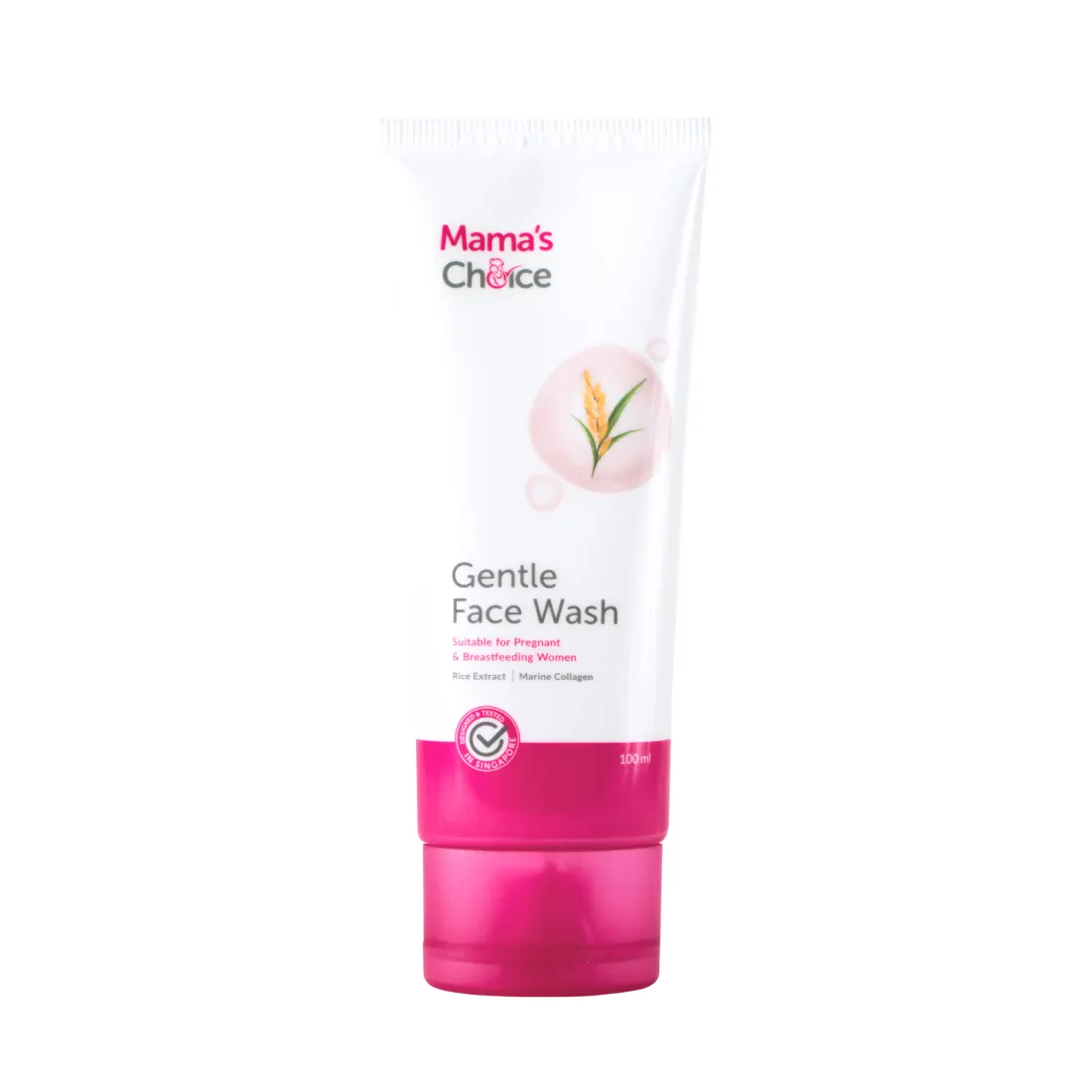
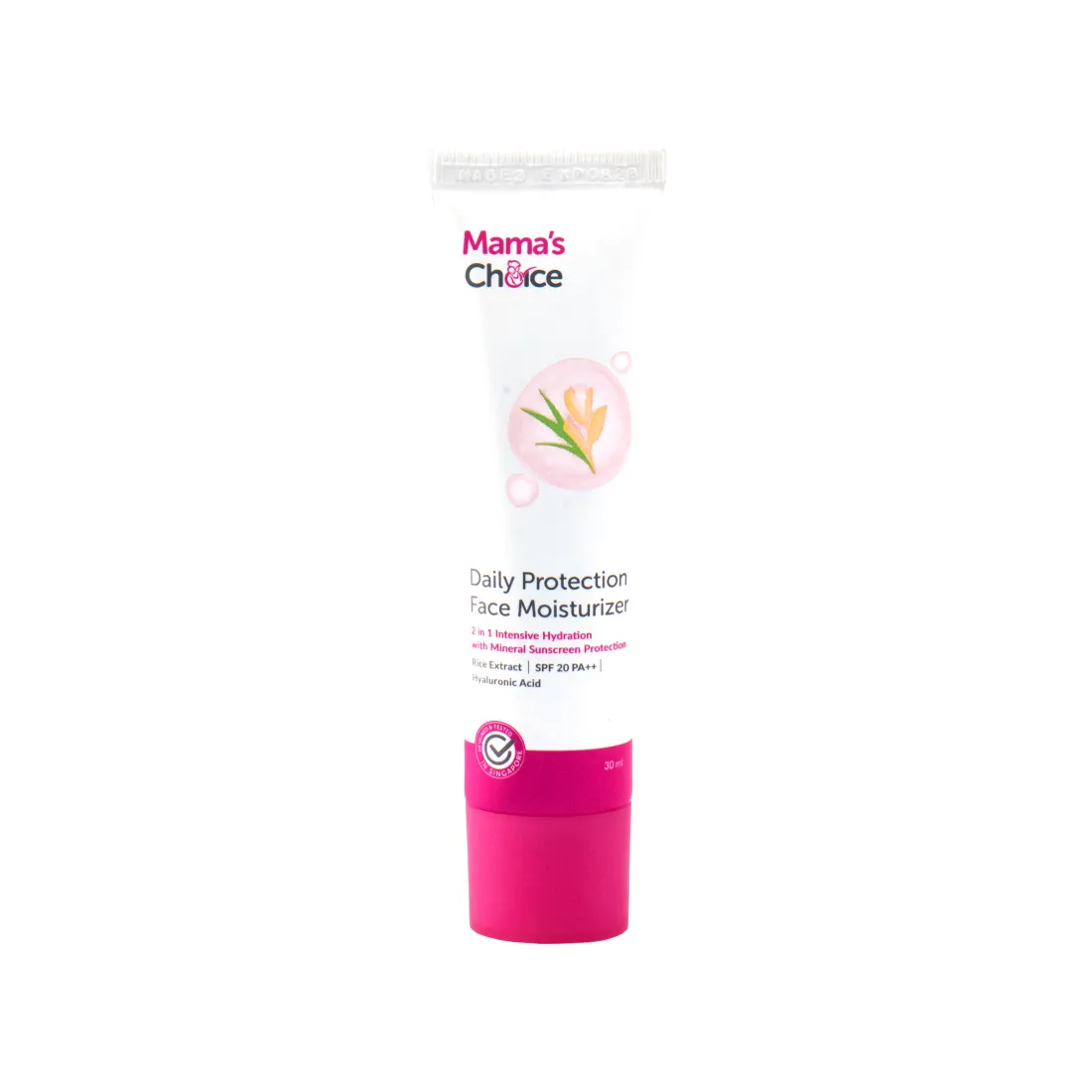
Pregnancy acne and melasma are both common in this climate, and the replacement routine is dull on purpose. A mild cleanser, a moisturiser, and sun protection. Our Gentle Face Wash and Face Moisturizer, which carries SPF 20 PA++ (medium protection), are made with pregnant and breastfeeding mothers in mind and fit that kind of routine. For long spells outdoors you will want a higher-SPF sunscreen as well, and acne or dark patches that bother you are worth showing to your doctor. If you want the longer argument about which actives are worth keeping, niacinamide in pregnancy covers the one that generally stays.
Renovation, which is the big one in Singapore
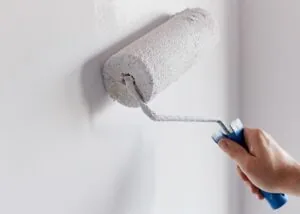
A lot of Singapore pregnancies run alongside a renovation, because a flat is being readied for the baby. That timing puts the most concentrated chemical exposure of the whole nine months right in the middle of it.
Paint solvents, tile adhesive, varnish, cement dust and the fine dust from hacking all belong in the avoidable column. Older properties add the possibility of lead paint under newer layers, and the WHO is clear that there is no safe level of lead exposure.
Practical version:
- Do not be in the unit while painting, sanding, hacking or tiling is under way
- Leave the windows open and fans running for several days afterwards
- Ask for low-VOC paint, which most contractors now stock
- Wash new soft furnishings before they go in the nursery
- Let someone else do the deep clean at handover
Fragrance, aerosols and household cleaners
Synthetic fragrance is rarely dangerous and often intolerable, since pregnancy sharpens the nose and nausea follows. Heavily scented cleaners, air fresheners, aerosol sprays and plug-in diffusers are the easiest things in the house to drop.
Where a cleaner matters, pick one you can use with the windows open and without a mask. Never mix bleach with anything containing ammonia or acid, which produces a genuinely toxic gas, and that goes for anybody, pregnant or not. Our All-Purpose Disinfectant is a hypochlorous acid spray for cleaning hard surfaces around the home. Follow the label, and keep it off skin and anything your baby puts in her mouth.
Nail and hair salons sit in the same bracket. Solvent fumes in a small room with poor ventilation are worth avoiding, especially in the first trimester. A manicure by an open shopfront is a different proposition from three hours of acrylics in a basement unit.
Mercury in fish
The FDA advises against shark, swordfish, king mackerel, tilefish, marlin, orange roughy and bigeye tuna during pregnancy, and recommends 2 to 3 servings a week of lower-mercury fish instead.
The good news for a Singapore diet is that much of what we eat sits in the FDA's lower-mercury groups. Salmon, cod, tilapia, sardines, prawns, squid and ikan bilis are on its best-choices list, and snapper and grouper are on its good-choices list, for about one serving a week. Fish is a major source of the omega-3 fats a developing brain needs, so the point is substitution rather than abstention.
Our fuller list sits in foods to avoid during pregnancy.
BPA and plastics
The FDA stopped allowing BPA in baby bottles and children's drinking cups in 2012, and BPA-free labels are now the norm on bottles sold here. For your own use, the exposure that matters is heat, because warm liquid in an old polycarbonate container releases more than cold liquid does.
Easy changes. Glass or stainless steel for hot drinks. No microwaving food in takeaway plastic, which is a hard habit to break when half of dinner arrives in it. Replace scratched or cloudy containers.
Haze, air quality and smoke
Haze is seasonal here and the advisories are published for a reason. NEA issues PSI readings through the day, and the health advisory that accompanies them lists pregnant women among the groups who should reduce outdoor exertion when readings climb.
On a bad day, stay in, run the air-conditioning on recirculate, and move the walk indoors. An N95 mask is the recommendation for prolonged outdoor exposure, though it is not a substitute for staying inside.
Cigarette smoke, including secondhand smoke in a corridor or a stairwell, belongs in the same paragraph and is worse. There is no threshold worth negotiating over.
What changes once you are breastfeeding
Most of the list above relaxes, and a few items do not. Mercury-containing creams and high-mercury fish still matter, because both reach milk. Oral retinoids remain out. Alcohol timing, medicines and herbal supplements become questions to put to a pharmacist rather than to a forum, since what is safe in pregnancy and what is safe in lactation are not always the same list.
Your polyclinic pharmacist will check a specific drug against lactation data in a couple of minutes. Bring the box. For baby products specifically, our guide to reading a baby product label and our notes on triclosan go further than this page can.
Frequently asked questions
- Do I have to throw out all my skincare now that I am pregnant?
- No. The short list worth changing is oral and topical retinoids, high-dose vitamin A, and anything bought from an unverified online seller. Most cleansers and moisturisers are fine, and ACOG's advice on environmental exposures focuses on bigger things than a face cream.
- Why are mothballs a problem for a newborn in Singapore?
- Naphthalene mothballs can trigger red blood cell breakdown in a baby with G6PD deficiency. Singapore screens every newborn for it, and families are told to keep mothballs out of the wardrobe and away from the baby's clothes and bedding.
- Is it safe to renovate the flat while I am pregnant?
- Stay out of the unit while painting, sanding and tiling are happening, and keep the windows open for days afterwards. ACOG advises reducing avoidable exposure to solvents and dust, and renovation is where most of it happens in a Singapore pregnancy.
- Can I use insect repellent while pregnant?
- Yes. The CDC considers EPA-registered repellents, including DEET, appropriate in pregnancy, and dengue is a real risk here. Apply it to clothing and exposed skin rather than under clothes.
- Which fish should I avoid?
- The high-mercury species, which the FDA names as shark, swordfish, king mackerel, tilefish, marlin, orange roughy and bigeye tuna. Plenty of what turns up at a Singapore wet market, including ikan bilis, salmon, prawns and squid, is on the FDA's lowest-mercury list.
Sources
- ACOG — Reducing prenatal exposure to toxic environmental agents
- FDA — Advice about eating fish, mercury levels by species
- HSA — Safety alerts on cosmetic products containing mercury and other prohibited substances
- HealthHub (Health Promotion Board) — G6PD deficiency and newborn screening
- NHS — Vitamin A and retinoids in pregnancy
- WHO — Lead poisoning fact sheet
- National Environment Agency — Haze health advisory and PSI readings
- CDC — Insect repellent use during pregnancy
Share this article
This article is for information only and is not a substitute for diagnosis or medical advice. Please talk to your doctor about your own situation.