Newborn baby care products you actually need
The short list a newborn genuinely needs, what can wait, and what Singapore's heat, air-conditioning, mosquitoes and haze change about the shopping.
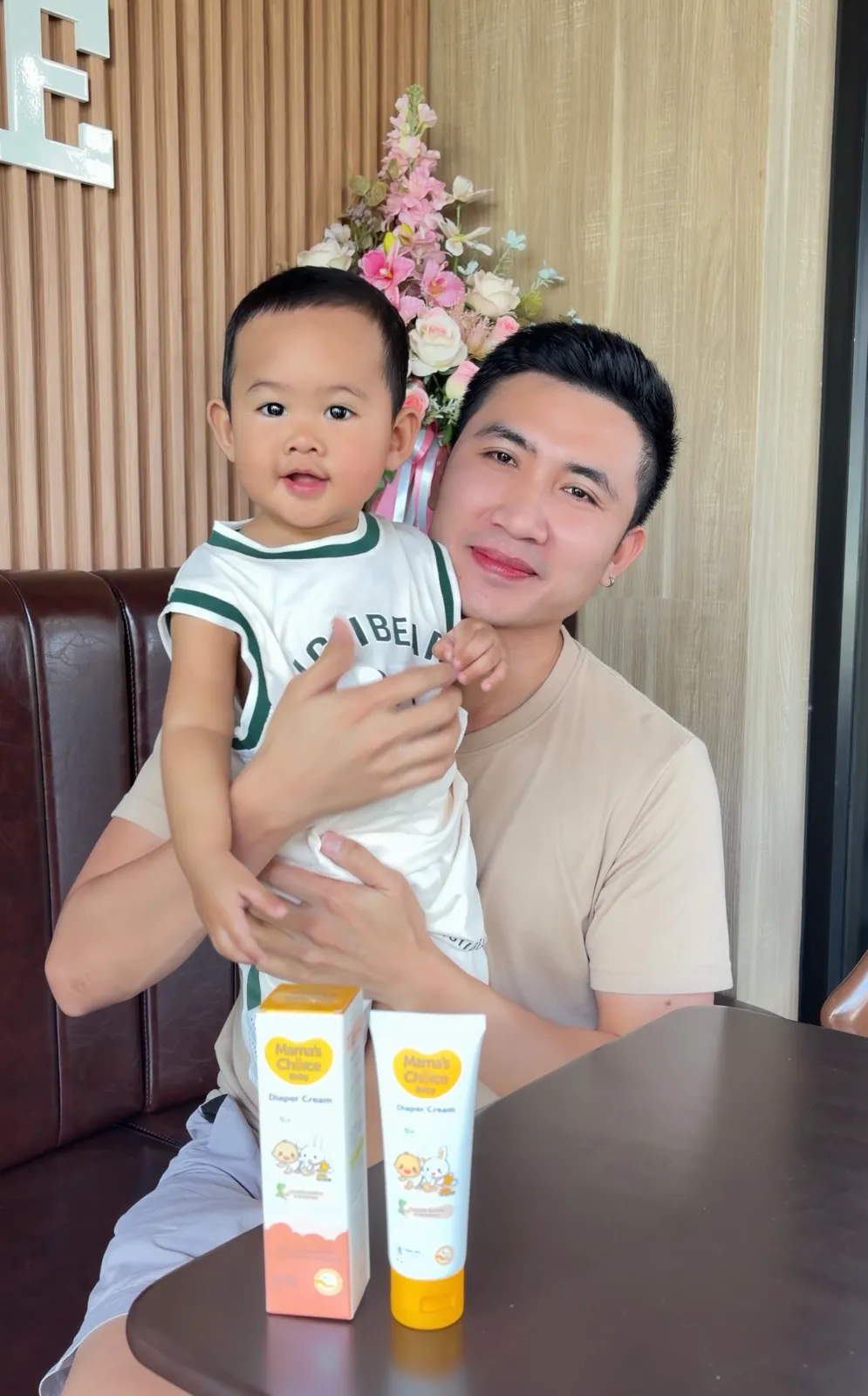
A newborn needs fewer products than any shop will suggest. The NHS advises plain water for the first few weeks, with no soap, lotions or medicated wipes. What most Singapore families genuinely use is a barrier cream for the diaper area, a simple moisturiser against air-conditioning, and a hat.
What does a newborn actually need?
The list is short.
- Diapers, and a barrier cream
- Cotton wool and warm water, or fragrance-free wipes once the skin toughens
- A soft towel and a baby bath, or the kitchen sink lined with a towel
- A mild wash, introduced after the first few weeks
- A plain moisturiser, for dry patches and for air-conditioned rooms
- A hat and light long-sleeved clothing for going out
- A soft brush, and a nail file rather than clippers at first
That is it for the first month. Everything else on the shelf is optional, and some of it is actively unhelpful on new skin.
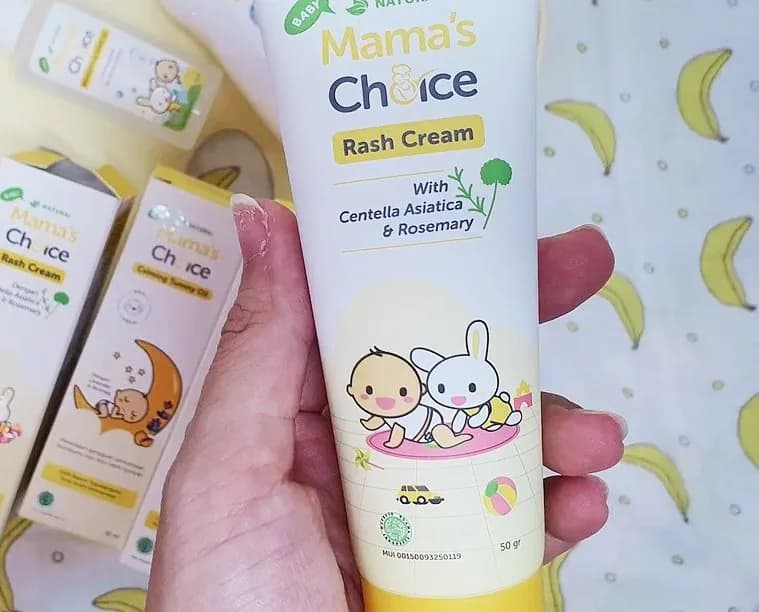
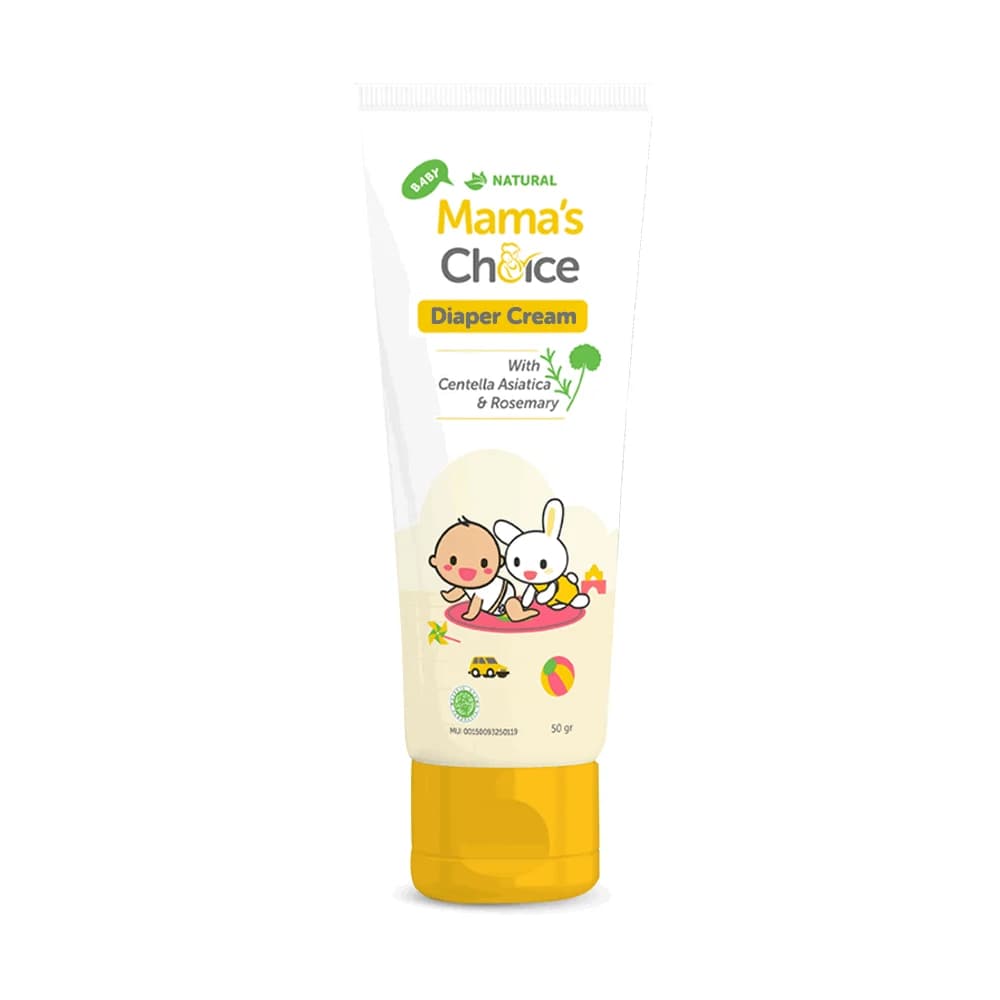
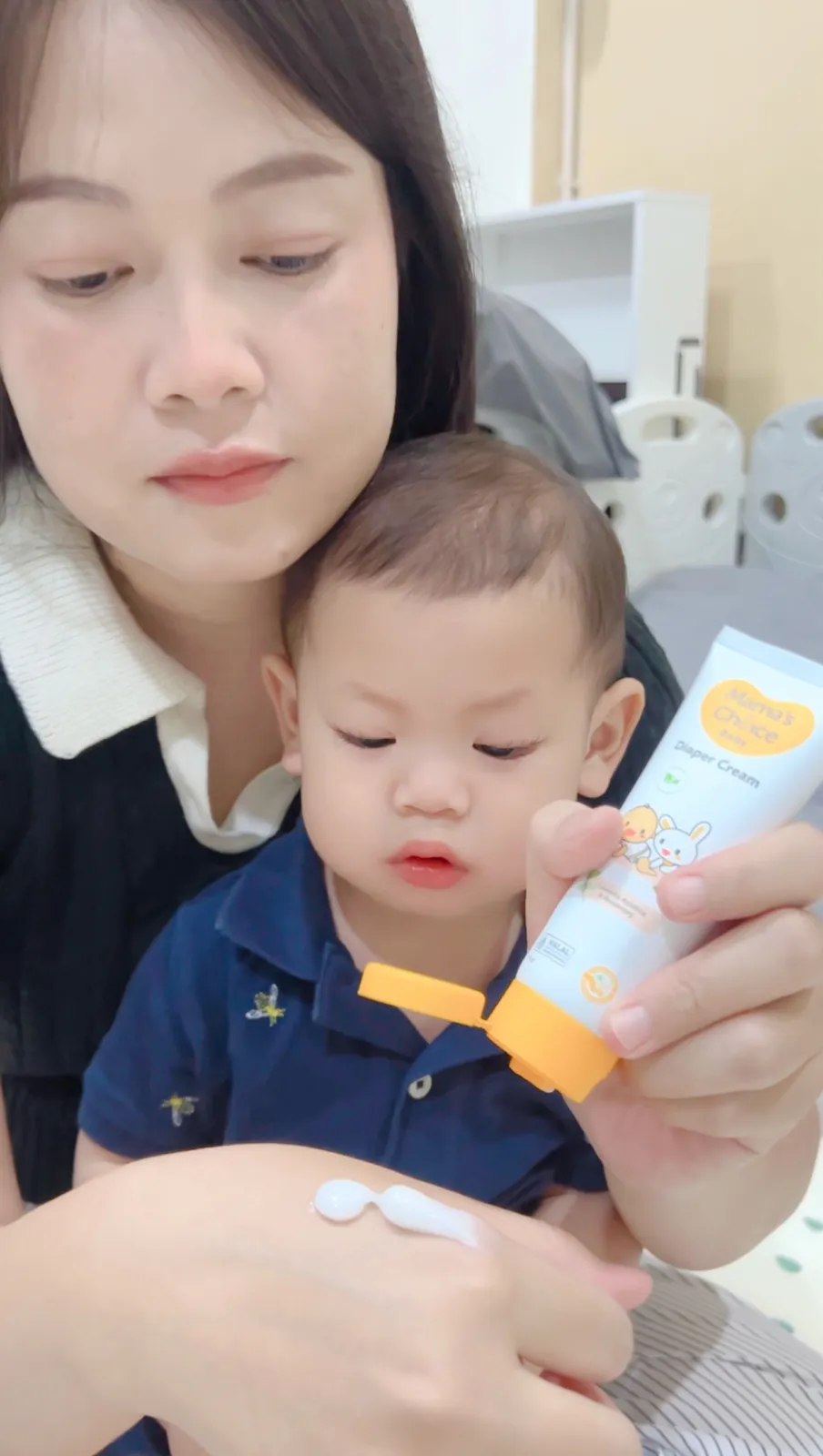
Mama's Choice Baby Diaper Cream is the diaper-area cream we make. It is a light moisturising cream with centella asiatica, chamomile and liquorice extracts and sweet almond oil, and it moisturises and softens the skin under the diaper. It contains no zinc oxide or petrolatum, so when you want a thick physical barrier, a zinc oxide paste is the product for that. Its label also lists a fragrance (aroma). In this climate, have some kind of diaper-area cream at home before you come back from hospital, because warm damp skin under a diaper breaks down quickly.
Also read: how to prevent diaper rash
What can wait, or be skipped
Talc. Skip it. The American Academy of Pediatrics advises against powders near a baby's face because of the inhalation risk, and a cream does the same job better.
Medicated or antibacterial wipes. Not needed, and the NHS specifically advises against them in the first weeks.
Bubble bath and bath foam. Foaming cleansers can dry out the skin. A plain wash after the first few weeks is plenty.
Perfumed everything. Fragrance is one of the most common causes of allergic skin reactions, and a baby gains nothing from it.
Sunscreen, before 6 months. Covered below.
Oils applied as a routine. A confinement nanny may arrive with a bottle of massage oil, and a gentle massage is lovely. Patch test it on an inner arm first, and do not use it on the face.
Washing a baby in a hot country
The NHS puts a full bath at two or three times a week, with topping and tailing on the days in between. That advice assumes a temperate climate.
Here, a daily bath is reasonable because your baby sweats, and it is also where dryness starts if you overdo the products. The way to have both is a short bath in warm, not hot, water, plain or with a very mild wash, followed by patting dry and moisturising within a few minutes.
Prickly heat is the local complaint this helps prevent. Tiny raised spots in the neck folds, across the shoulders and under a diaper waistband, which settle when the baby cools down rather than when a cream is applied.
Also read: how to bathe a newborn
Skin that dries out under air-conditioning
Running the unit all night keeps a baby comfortable and takes moisture out of the room. Dry cheeks, flaky shins and rough patches on the upper arms follow, usually in the second or third week.
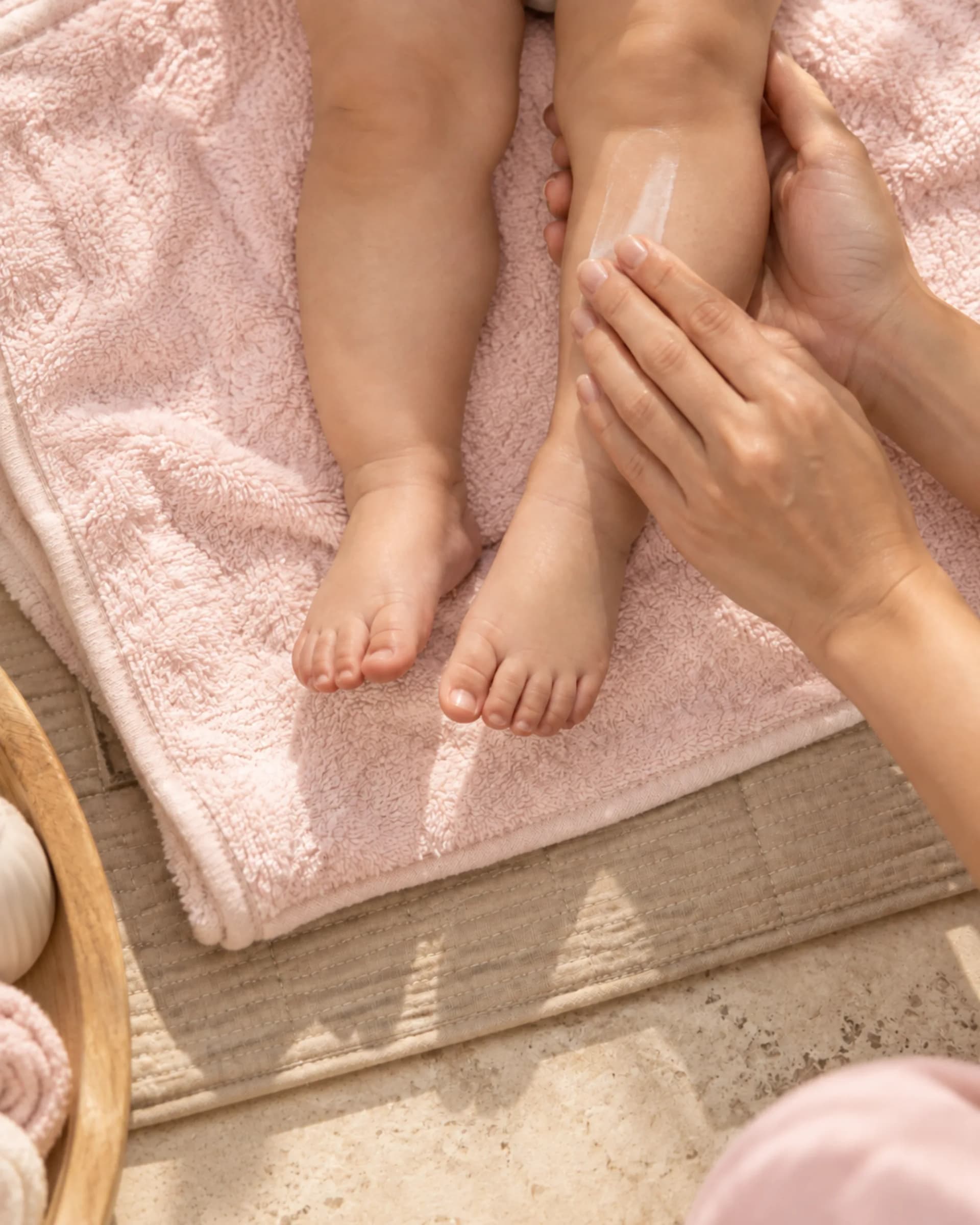
A simple moisturiser handles it. Apply while the skin is still slightly damp from the bath, pat rather than rub, and use it daily rather than only when you notice dryness.
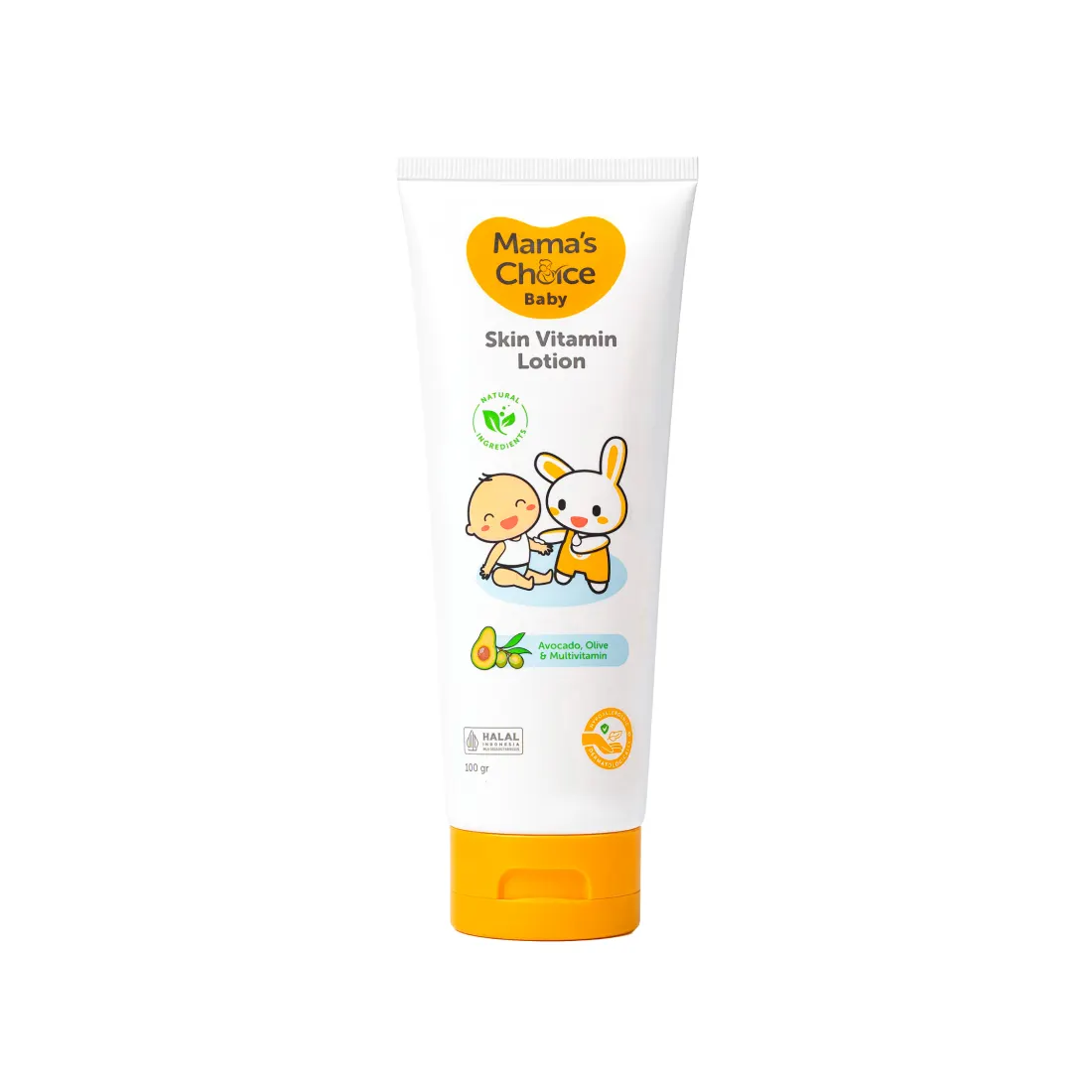
Mama's Choice Baby Skin Vitamin Lotion is ours for the body. It moisturises and softens the skin on the arms, body and legs, with shea butter and avocado, olive and almond oils, and its label also lists sweet orange peel oil. For the face, we make a separate face cream.
What a lotion will not do is change your baby's skin colour, whatever a bottle claims. Pigment is genetic, and a product that promises to lighten it is telling you something untrue on the front of the packaging.
Sun, mosquitoes and haze
Sun. The FDA's position is clear: keep babies under 6 months out of direct sun and use shade, a hat and light long clothing instead of sunscreen. At this latitude the midday sun is directly overhead, so a stroller canopy that works in London leaves gaps here. Walk under the covered linkways.
Mosquitoes. Dengue is a live concern in Singapore, and the American Academy of Pediatrics says DEET repellents should not be used on infants under 2 months. Before that age it is covering up, window screens, a stroller net and clearing standing water from pot plant trays and air-conditioner drip trays.
Haze. During a haze episode, keep the windows shut, run the air-conditioning or a purifier, and keep outings short. Infants have small airways and no way of telling you their chest feels tight.
Also read: sunscreen tips for babies
How do you read a baby product label?
| What you see | What to make of it |
|---|---|
| A short ingredient list | The best single signal |
| "Fragrance" | A mixture you cannot inspect |
| "Hypoallergenic" | No standard test behind the word |
| "Unscented" | May contain a masking fragrance |
| "Dermatologically tested" | A test happened, with unstated results |
| "Whitening" or "brightening" | A promise nothing can keep on a baby |
Cosmetic products must be notified to the Health Sciences Authority before they are supplied in Singapore, and that is a filing rather than an endorsement. Buying from Guardian, Watsons, Unity or a supermarket means you have somebody to go back to, which an overseas marketplace seller does not give you.
Patch test anything new. A little on the inner arm, then wait a day or two before using it properly.
Also read: harmful chemicals to avoid in baby products
Paying for it in Singapore
Child Development Account savings under the Baby Bonus Scheme, run by the Ministry of Social and Family Development, can be spent at Baby Bonus Approved Institutions. Several pharmacy chains and baby retailers take part, so diapers and creams can come out of that account rather than your own.
A MediSave Grant for Newborns is also credited to your baby's own MediSave account, and that one is for medical use rather than shopping: vaccinations, hospital stays and approved outpatient treatments.
Keep the Health Booklet you are given at discharge somewhere you will find it. The polyclinic visits and the childhood immunisation schedule run off it, and a nurse checking your baby's weight will spot a feeding or skin problem earlier than a shop assistant will.
Frequently asked questions
- What does a newborn really need for skin care?
- Very little. The NHS advises plain water for the first few weeks, with no soap, no lotions and no medicated wipes. A barrier cream for the diaper area and a simple moisturiser are the two things most families end up using.
- How often should I bath my newborn?
- A full bath two or three times a week is enough, with topping and tailing in between. In Singapore's heat you may want a daily plain-water bath, which is fine as long as you keep it short and moisturise afterwards.
- Can I put sunscreen on my newborn?
- Not usually. The FDA advises keeping babies under 6 months out of direct sun and using shade, a hat and light clothing rather than sunscreen, because their skin absorbs more and their surface area to weight ratio is higher.
- When can I use mosquito repellent on my baby?
- The American Academy of Pediatrics says repellents containing DEET should not be used on infants under 2 months. Until then rely on covering up, screens, and clearing standing water around the home.
- Can I use Baby Bonus money for baby essentials?
- Child Development Account savings can be spent at Baby Bonus Approved Institutions, and several pharmacy chains and baby retailers are on that list. Check the current list before you shop, since it changes.
Sources
- NHS — What you'll need for your baby
- NHS — Washing and bathing your baby
- American Academy of Pediatrics (HealthyChildren) — Baby skin care
- FDA — Should you put sunscreen on infants? Not usually
- American Academy of Pediatrics (HealthyChildren) — Insect repellents
- Ministry of Social and Family Development — Baby Bonus Scheme and the Child Development Account
Share this article
This article is for information only and is not a substitute for diagnosis or medical advice. Please talk to your doctor about your own situation.