How to prevent diaper rash in Singapore's heat
Barrier cream, frequent changes and air time in a humid flat, plus how to recognise the thrush and bacterial rashes that need a doctor instead.
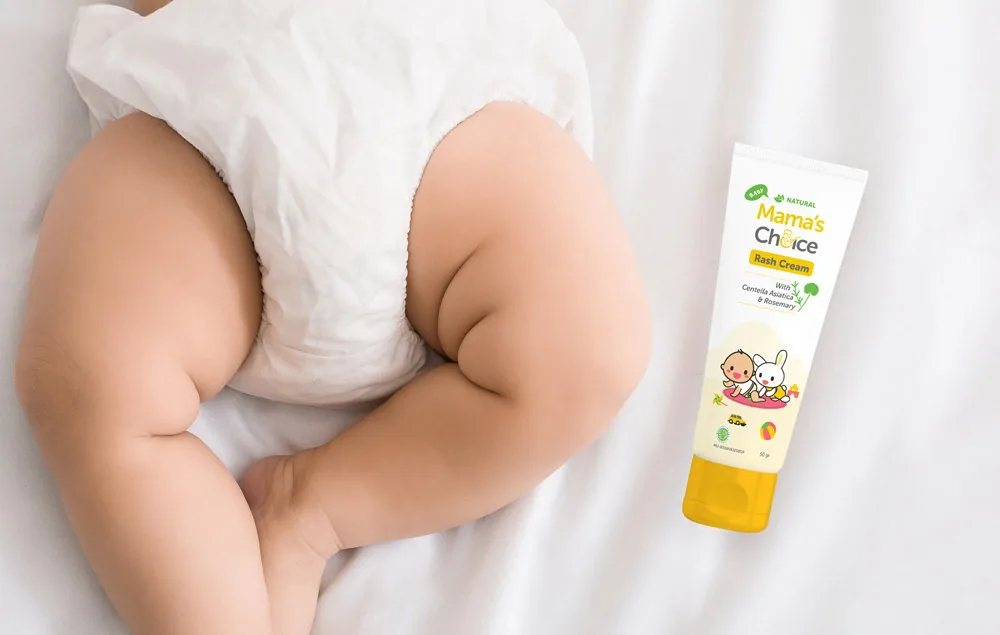
A red bottom at the 3am change, and a baby who objects to being wiped at all. Almost every family here meets this one.
Most diaper rash can be prevented by keeping skin dry and keeping urine and stool off it. Change diapers every two to three hours and straight after a poo, clean with water or a fragrance-free wipe, pat dry, and apply a zinc oxide barrier cream at each change. Air time helps. Thrush needs different treatment.
What causes diaper rash?
Wetness and friction do most of it. Skin held against a damp diaper softens, the waistband and leg cuffs rub, and once the surface is broken the urine and stool sitting on top make it sting.
Stool is the bigger irritant of the two. Enzymes in it break skin down quickly, which is why diarrhoea, a tummy bug or a new food can produce a rash within a day. Antibiotics raise the odds in a second way, since they thin out the bacteria that normally keep yeast in check.
A few other triggers show up regularly:
- Diapers left on too long, or one size too small so the cuffs dig in
- Fragranced or alcohol-based wipes, and soap or bubble bath on the area
- Detergent residue on cloth diapers, especially when they are not rinsed twice
- A course of antibiotics for your baby or for you while breastfeeding
- Acidic foods once solids start, which can leave stool sharper
- Teething spells, when stools often loosen for a few days
Any baby in a diaper can get one. It says nothing about how carefully you are looking after her.
How do you prevent it at every change?
The routine is dull and it works. Change often, clean gently, dry properly, then put a barrier between skin and diaper.
Plain lukewarm water and cotton wool do the gentlest job, and a fragrance-free wipe is fine when you are out. Pat dry rather than rubbing, and get right into the creases at the top of the thighs, because water left in a fold does the same damage as urine. Then the cream goes on.
Fit deserves a check too. Look at your baby's skin when you take a diaper off, and red marks at the waist or thighs mean the next size up. Leave the diaper slightly loose at the waistband so air can move. Our collection of practical diaper changing habits covers the setup that makes a fast change possible at 3am.
Which cream actually makes a barrier?
Look for zinc oxide or petrolatum on the ingredient list. Those are the ingredients that sit on the surface and physically block moisture, and the American Academy of Dermatology and the American Academy of Pediatrics both point to barrier ointments as the basis of treatment. A lotion that absorbs completely is a moisturiser rather than a barrier.
Quantity depends on the state of the skin. The NHS suggests a thin layer at each change while the skin is healthy, and the American Academy of Pediatrics advises spreading it thickly, like icing a cake, once the area is sore. You do not need to scrub the old layer off at the next change. Wipe away the soiled part and top it up.
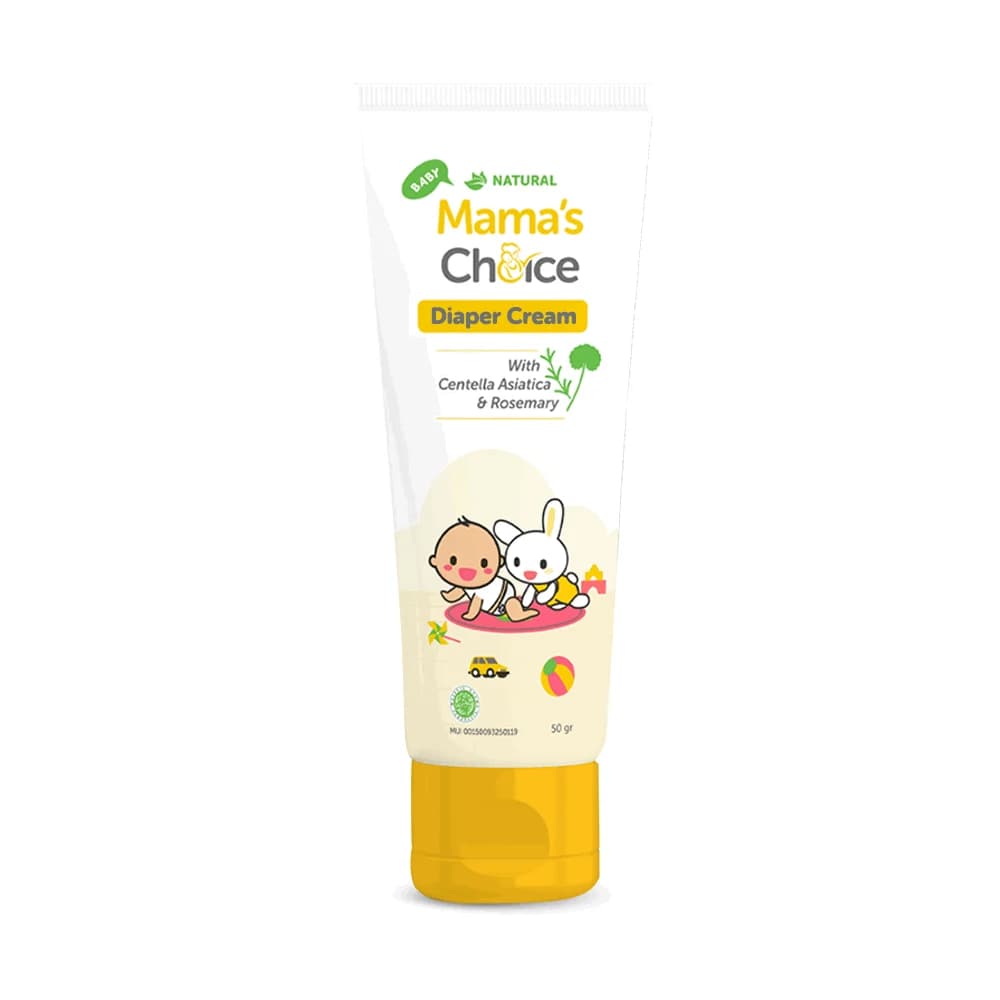
Our Baby Diaper Cream works differently. It is a light moisturising cream with centella asiatica, chamomile and liquorice extracts and sweet almond oil, and it contains no zinc oxide or petrolatum. It moisturises and softens the skin in the diaper area and absorbs quickly. When you want the thick physical layer described above, a zinc oxide or petrolatum product is the one to use. The cream also lists sweet almond oil and a fragrance (aroma) on its label, which matters if your baby has a nut allergy or reacts to scent. Our article on what centella can and cannot do is worth reading before you choose. Avoid anything heavily fragranced, which the American Academy of Pediatrics specifically warns against on inflamed skin. Guardian, Watsons and Unity stock barrier creams, and Unity counters are inside NTUC FairPrice outlets.
Does the heat and humidity make it worse?
Yes, and this is the part generic advice written for temperate countries misses entirely. A diaper is a sealed, warm, damp environment at the best of times. Put it on a baby through a 32°C afternoon with the air already saturated, and sweat joins the urine.
Blocked sweat glands produce heat rash, the pinprick red bumps that turn up where clothing traps damp, and on a baby that often means the waistband line, the thigh creases and the lower back. Heat rash and diaper rash sit side by side in the same week here, and they both improve with the same thing, which is less time covered up. Our guide to telling common baby rashes apart is useful when the two overlap.
Air-conditioning swings it the other way. A cool dry bedroom leaves the surrounding skin flaky even while the diaper area stays damp, so a plain moisturiser on the thighs and tummy and a barrier cream inside the diaper line is a sensible split. Our notes on choosing a baby moisturiser for this climate explain why indoor air causes most of the dryness here.
Cloth diapers need more watching in this weather. They hold damp longer than disposables, they take a full day to dry indoors during a wet spell, and detergent left in the fibres irritates skin.
How do you manage diaper-free time in a flat?
Time without a diaper is one of the most useful things you can do for a sore bottom, and the NHS recommends it. It is also awkward in a small home with tiled floors. A few practical arrangements make it possible.
Lay a waterproof mat or a folded towel on the playmat and let your baby kick with nothing on for ten or fifteen minutes after a change. Do it a few times a day while the rash is active. The bathroom floor works too, since anything that lands there mops up in seconds.
Timing helps. Straight after a poo, the odds of another one in the next quarter of an hour are low. Keep the fan on a low setting pointed past her rather than at her, and skip the plastic pants and the tight romper for a few days.
When is it thrush rather than ordinary diaper rash?
A rash that has not budged after a few days of diligent barrier cream is usually yeast. Candida thrives in exactly the warm damp conditions a diaper creates, and it needs an antifungal cream rather than more zinc.
Several signs point to it. The red is deeper and the edge is sharply defined, it sits down inside the skin creases instead of only on the rounded exposed areas, and there are small separate spots scattered beyond the main patch. Some babies have white patches in the mouth at the same time, which is the same organism.
Bacterial infection looks different again. Yellow crusting, small blisters, pus, weeping, spreading redness or a fever means a same-day appointment rather than a wait. Both of these are common and treatable, and neither is your fault.
What should never go on the area?
Talcum powder tops the list. The American Academy of Pediatrics advises against it because the particles can be inhaled, and it clumps into the skin folds the moment it gets damp.
Steroid creams belong on a doctor's instruction only. They can thin a baby's skin and they make a yeast rash worse, and the strong ones from an adult's medicine cabinet have no business on a baby. Antiseptic liquids, surgical spirit and household disinfectants do not go near the area either.
Also worth retiring: fragranced wipes, baby oil as a barrier, cornflour as a powder, and any cream that has been open for more than a few months. If a product stings when it goes on, stop using it.
When should you see a doctor?
Most diaper rash clears within a few days once you change more often and use a barrier cream. Go to the polyclinic if it has not improved after about a week, if it is spreading beyond the diaper area, if there are blisters, pus or yellow crusts, if your baby has a fever, or if she seems in real pain when you touch the skin. Polyclinic doctors handle most of this and refer on to paediatric dermatology at KK Women's and Children's Hospital or the National University Hospital when a rash will not settle.
Keep a squeeze bottle of plain warm water next to the changing mat while the skin is raw. Squirting and patting hurts far less than any wipe does, and it saves you the argument your baby has already started having with the wipes packet.
Frequently asked questions
- How often should I change a diaper to prevent rash?
- Every two to three hours through the day for a young baby, and the moment a diaper is soiled at any age. Stool on skin is far more irritating than urine, so a dirty diaper should never wait. Newborns often need ten or more changes a day, which is normal.
- Does barrier cream go on thick or thin?
- Both, depending on the skin. The NHS suggests a thin layer at each change while the skin is intact, and the American Academy of Pediatrics advises spreading it on thickly, like icing a cake, once the area is already sore. The point is a layer that stops urine and stool touching skin.
- How do I know the rash is thrush?
- Thrush tends to be deep red with a clear edge, sits inside the skin creases rather than only on the exposed areas, and throws off small separate spots around the main patch. It also ignores barrier cream for more than a few days. An antifungal cream is needed, so see a doctor.
- Can I use baby powder on a diaper rash?
- No. The American Academy of Pediatrics advises against talcum powder because babies can inhale the particles, and it does nothing a barrier cream does not do better. Powder also clumps in the skin folds once it gets damp, which adds friction.
- Where can I buy diaper cream in Singapore?
- Guardian, Watsons and Unity all stock barrier creams, and Unity counters sit inside NTUC FairPrice stores so you can pick one up with the groceries. Buy the small tube of anything new and watch how your baby's skin responds over a week.
Sources
- NHS — Nappy rash: causes, treatment and when to get advice
- AAP, HealthyChildren.org — Diaper rash: causes, treatment and prevention
- American Academy of Dermatology — Diaper rash and barrier ointments
- HealthHub (Health Promotion Board) — Baby skin care and common rashes
- KK Women's and Children's Hospital — Paediatric dermatology service
Share this article
This article is for information only and is not a substitute for diagnosis or medical advice. Please talk to your doctor about your own situation.