
Does fenugreek help with breast milk supply?
What fenugreek does and does not do for milk supply, who should avoid it, how supplements are regulated in Singapore, and what raises supply reliably.
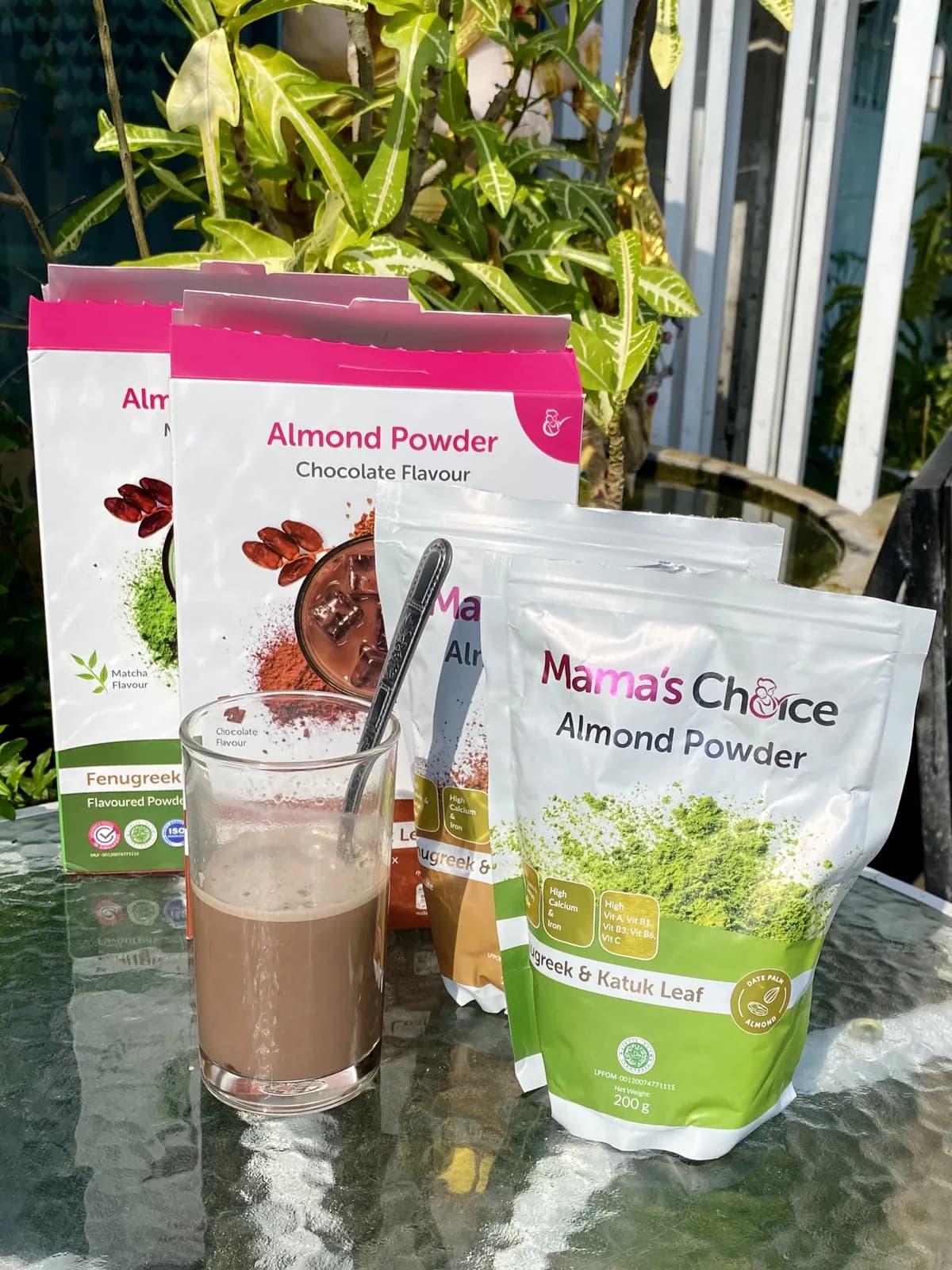
Fenugreek is one of the most widely used herbal milk boosters in the world, and the evidence behind it is thin. Cochrane's review of oral galactagogues found the studies small and inconsistent. What does raise supply, reliably, is removing more milk more often, through better attachment and more frequent feeds.
What is fenugreek?
A small golden seed from a legume, used as a spice across South Asia and the Middle East, sold here as methi in any Indian provision shop. The leaves get cooked as a vegetable and the seeds go into curry powders and pickles.
Its reputation with nursing mothers is centuries old and spread across cultures, which is a reason to take the question seriously. Long use is evidence that something is tolerated. It is not evidence that it works.
Does fenugreek increase milk supply?
Cochrane looked at oral galactagogues for mothers of healthy term babies and found the trials too small, too varied in dose and too inconsistent in how they measured milk to support a conclusion. Fenugreek appears in that literature without emerging from it.
La Leche League International, which is sympathetic to herbal approaches, describes the support for fenugreek as largely anecdotal and sets out cautions alongside it.
The NHS takes a different route to the same place. Its guidance on milk supply worries does not recommend any herb or supplement, and sends mothers towards feeding frequency, attachment and getting a feed observed.
Some mothers notice a difference within a few days. An effect of that speed is hard to separate from the extra pumping and feeding usually started at the same time, and no authority will tell you a dose.
What does raise supply?
Milk made follows milk removed. Everything that works runs through that one mechanism.
- Feed more often, including at night, when prolactin runs highest
- Fix the attachment, because a shallow latch empties the breast poorly however long the feed lasts
- Offer both sides, and come back to the first
- Express after feeds for a few days if you are rebuilding supply
- Replace top-ups gradually rather than all at once, so demand rises as the bottle falls
Also read: how to boost breast milk supply naturally
Rest and food matter too, in a plainer way than the folklore suggests. A mother who is eating properly and sleeping in snatches rather than not at all will find feeding easier. Confinement diets in Singapore differ by family, with Chinese herbal soups, Malay jamu and South Indian preparations all having their own milk foods, and the common thread in all of them is somebody else doing the cooking.
Green papaya soup, fish soup, oats and almonds all carry the same status as fenugreek: widely believed, poorly tested, unlikely to do harm. Enjoy them for what they are.
Also read: foods that are good while breastfeeding
Who should not take it?
La Leche League lists cautions that are worth reading before you buy a bottle.
| Situation | Why it matters |
|---|---|
| Pregnancy | Avoided, because of its traditional use to stimulate the uterus |
| Diabetes medication | Fenugreek can lower blood glucose, which may compound the drug |
| Blood thinners | A possible additive effect on clotting |
| Chickpea or peanut allergy | Same plant family, so cross-reaction is possible |
| Asthma | Reports of worsened symptoms in some people |
The common, harmless side effect is a maple-syrup smell in your sweat and urine, and sometimes in your baby's. Stomach upset and loose stools are the next most common. Stop if your baby becomes unsettled or windy after you start.
How are milk booster supplements regulated here?
Health supplements sold in Singapore do not require approval from the Health Sciences Authority before they reach a shelf. Responsibility for safety, quality and the claims on the label sits with the seller, and HSA monitors products once they are on sale.
That has a practical consequence. A capsule bought at a pharmacy, a marketplace or a mother-and-baby fair has not been assessed by anybody before you swallow it, and the printed dose may not match the contents.
Two habits follow. Tell your doctor and your lactation consultant what you are taking, including herbs, before they prescribe anything. And buy from a seller who will tell you the actual quantity of seed or extract per capsule.
Where do you get it in Singapore?
Whole seeds are cheapest and easiest to verify. Little India, Tekka Market, Mustafa and the provision shops in most neighbourhoods all stock methi seeds, as do the larger supermarkets in their spice sections. Soaked overnight, they go into dhal, soup or a tea.
Capsules are sold at Guardian, Watsons and Unity, and in the supplement aisles online. Check the shell if you keep halal or vegetarian, since gelatine is common.
Powders and teas sit between the two. A tea you can taste tells you more about what is in it than a capsule does.
When should you see somebody instead?
Supply worries are often not supply problems. Soft breasts, shorter feeds and a baby who feeds often are all normal after the early engorgement settles, and the NHS points to wet diapers and weight gain as the measures that matter.
Book a lactation appointment, through your polyclinic or at KK Women's and Children's Hospital or National University Hospital, if your baby is not gaining weight, has fewer wet diapers, feeds for an hour and seems unsatisfied, or if feeds hurt all the way through.
Somebody watching one feed will tell you more than a month of capsules.
Frequently asked questions
- Does fenugreek actually increase milk supply?
- The evidence is weak. Cochrane's review of oral galactagogues found the trials small and inconsistent, with no reliable conclusion about fenugreek in particular. Some mothers report a difference and the research cannot yet confirm it.
- How much fenugreek do people take?
- Doses in circulation vary widely and no health authority publishes a recommended amount for breastfeeding, which is itself telling. Ask your doctor or a lactation consultant before starting, especially on any regular medication.
- Who should avoid fenugreek?
- Anyone pregnant, anyone on diabetes medication or a blood thinner, anyone with a chickpea or peanut allergy, and anyone with asthma that reacts to new triggers. La Leche League lists these cautions and advises checking with a doctor.
- Are milk booster supplements checked before they are sold in Singapore?
- Health supplements do not need approval from the Health Sciences Authority before sale. The seller is responsible for safety and for the claims made, and HSA monitors products after they go on sale, so a product on a shelf here has not been pre-vetted.
- What raises milk supply more than any supplement?
- Frequent, effective removal of milk. More feeds, a deeper latch, expressing after feeds if needed. Supply follows demand, which is why a lactation appointment usually beats a bottle of capsules.
Sources
Share this article
This article is for information only and is not a substitute for diagnosis or medical advice. Please talk to your doctor about your own situation.