Pregnancy Trimester Timeline for Singapore Mamas
What happens in each trimester, which scans and tests fall when, and the Singapore admin worth sorting early, from MediSave to Baby Bonus.

Pregnancy runs in trimesters, roughly weeks 1 to 13, weeks 14 to 27, and week 28 to the birth. Each brings different symptoms, different tests and different things worth buying. The WHO recommends a minimum of eight antenatal contacts, and in Singapore a few pieces of paperwork are easier to start early than to chase later.
The clinical milestones and the local paperwork run on separate clocks, and nobody hands you a combined calendar. Both are set out together below.
First trimester, weeks 1 to 13
How it feels. Nausea, exhaustion that no amount of sleep touches, sore breasts, a sharper sense of smell, and food aversions that make a hawker centre unbearable. The NHS notes that nausea usually eases between 16 and 20 weeks, which is cold comfort in week 8.
What happens clinically. A first appointment to confirm the pregnancy and date it by scan. Blood tests covering blood group, full blood count, immunity to rubella, thyroid function, hepatitis B and HIV. First-trimester screening for chromosomal conditions, which combines a scan with a blood test and is usually offered around 11 to 14 weeks.
Supplements. Folic acid at 400 micrograms daily, ideally from before conception and continuing through the first 12 weeks, which the NHS recommends to reduce the risk of neural tube defects. Vitamin D at 10 micrograms daily is the other standard one, and worth mentioning if you work indoors all day, which in this city is most people.
Singapore admin to start now. Decide where you want to deliver, because popular obstetricians and hospital packages fill up. KKH and NUH take referrals from polyclinics and GPs, and private obstetricians book directly. Ask about the MediSave Maternity Package at the first visit, since it covers pre-delivery expenses as well as the delivery itself.
What to buy. Almost nothing. A mild cleanser if your skin has turned oily or spotty, such as our Gentle Face Wash, a low-foam, perfume-free gel formulated with pregnancy in mind, and crackers by the bed. Our pages on early signs of pregnancy and nausea remedies cover this stretch in more detail.
Second trimester, weeks 14 to 27

How it feels. Better, usually. Energy returns, nausea fades, and the bump becomes visible. Heartburn, nasal congestion and leg cramps arrive to replace what left. First movements are generally felt somewhere between 16 and 24 weeks, earlier in a second pregnancy.
What happens clinically. Monthly appointments with blood pressure, urine and growth checks. The detailed anomaly scan at around 18 to 22 weeks, which is the long one where they measure everything. The glucose tolerance test between 24 and 28 weeks, which ACOG recommends for gestational diabetes screening and which matters here because the condition is common in Asian populations. If you are rhesus negative, an anti-D injection is usually offered around 28 weeks.
Singapore admin. Book antenatal classes, which KKH and NUH both run and which fill early. Tell your employer in writing, and check your eligibility for Government-Paid Maternity Leave, which runs 16 weeks. If you want a confinement nanny, this is when to book one, because many are booked months ahead.
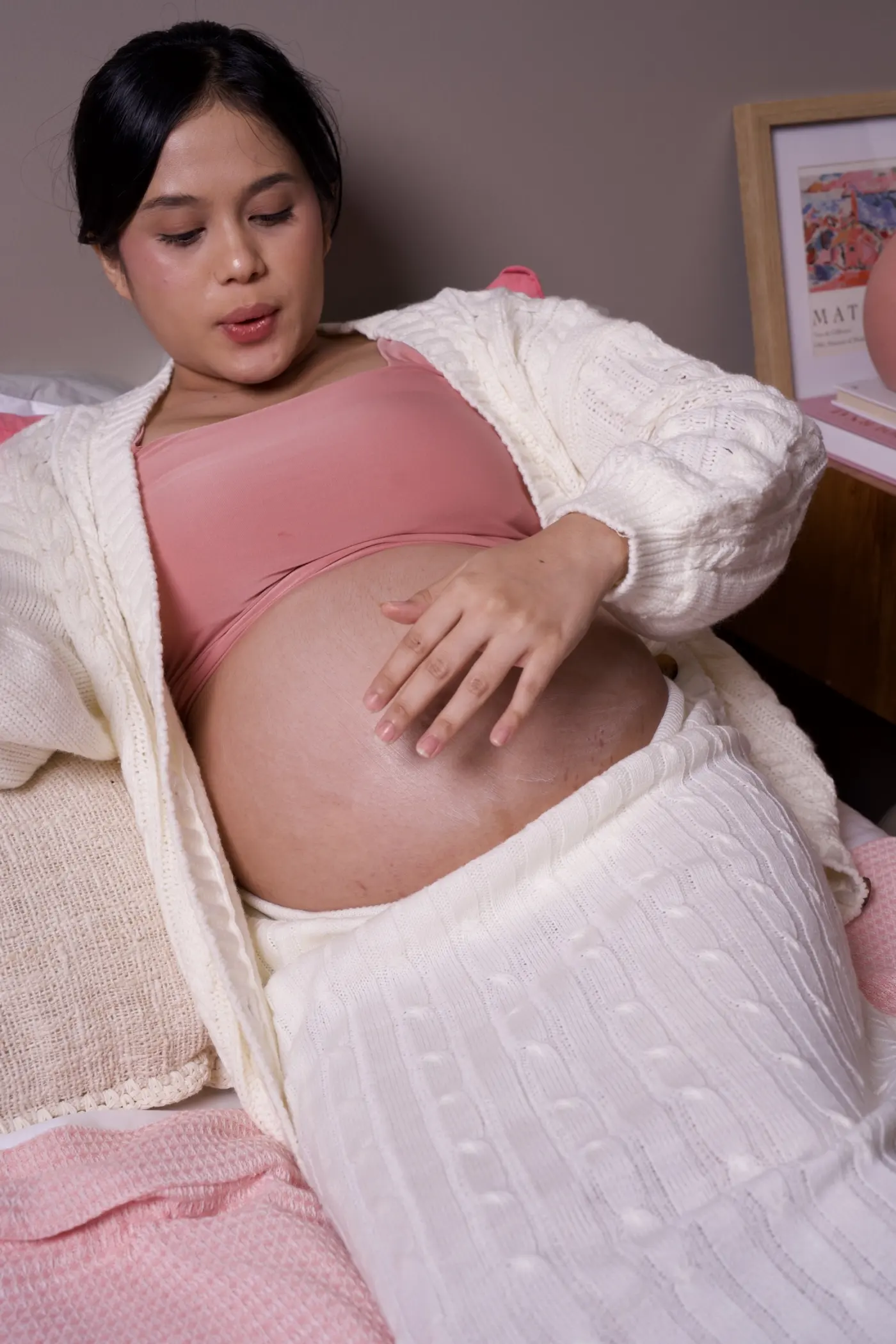
What to buy. Maternity clothes, once your own stop closing, and our maternity clothes guide covers what works in this climate. A moisturiser for the bump, since this is when skin starts to stretch and feel tight and dry, and our Stretch Mark Cream is what we would use twice a day to keep it moisturised and soft. Supportive shoes a size up.
Feeling those first kicks is the part of this trimester nobody prepares you for properly.
Third trimester, weeks 28 to birth

How it feels. Heavy. Breathlessness, back pain, swollen feet in the heat, Braxton Hicks tightenings, heartburn at night, and sleep broken by trips to the toilet. The humidity makes all of it worse, and the air-conditioning you turn up to cope dries your skin.
What happens clinically. Appointments become fortnightly and then weekly. Growth scans to check the baby's size and the fluid around the baby. A group B strep swab at around 36 to 37 weeks, which determines whether you need antibiotics in labour. Position checks, and a conversation about mode of delivery if the baby is breech.
Singapore admin. Pre-register at the hospital. Settle the delivery package and the MediSave paperwork rather than doing it in labour. Register for the Baby Bonus Scheme, which you can do before the birth. Arrange who will be at home for the confinement month, and fix the handover date with a nanny if you have one.
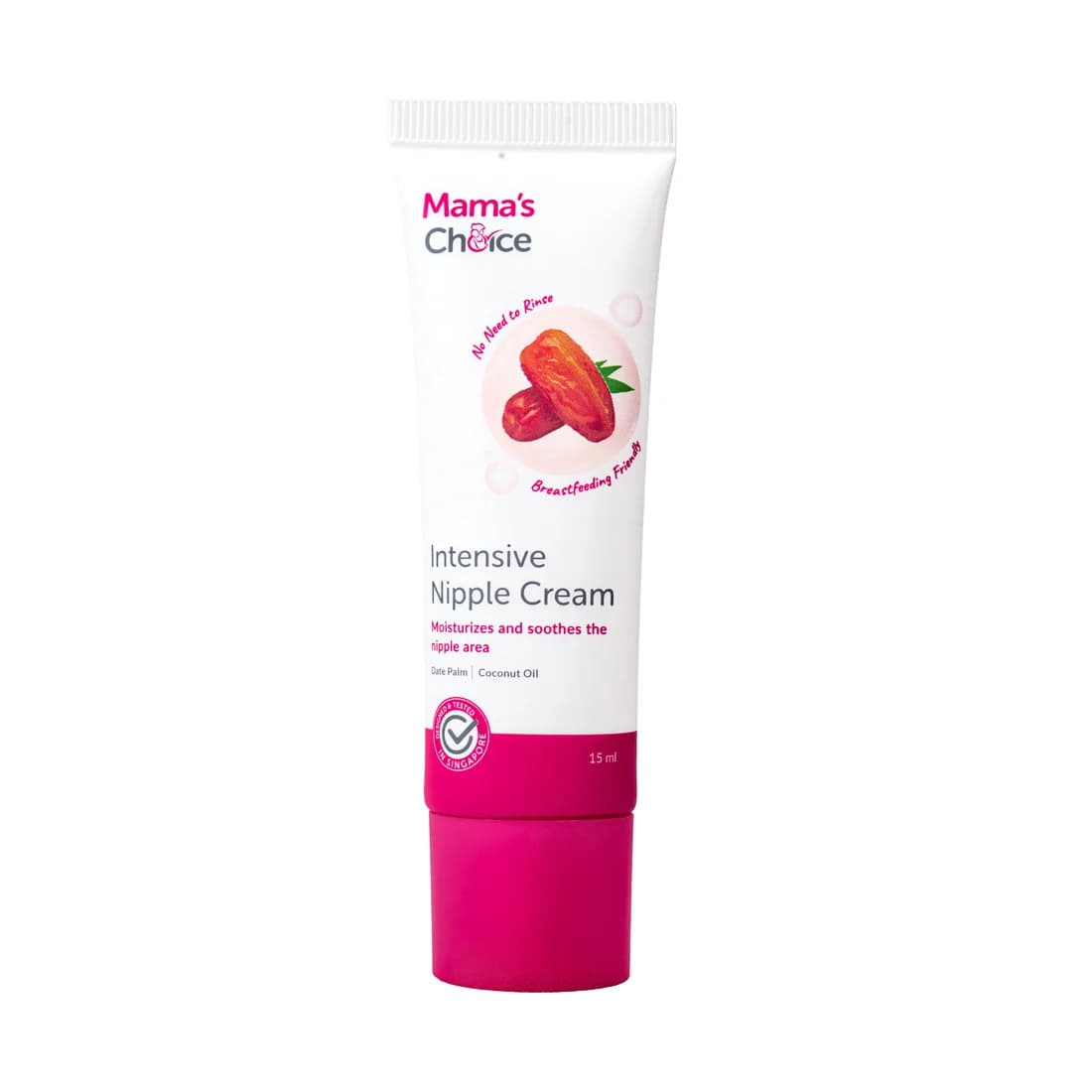
What to buy. The hospital bag, and ours is a short list in what to pack for delivery. Nipple cream before the birth rather than after, because you will want it on day two and will not be shopping. Our Intensive Nipple Cream, a lanolin balm for dry nipple skin, comes in a 15 ml tube that fits in any bag. A cot with a firm flat mattress and nothing in it.
The fourth trimester, which nobody names

The first weeks after the birth have their own timeline and it collides with confinement.
Bleeding tapers over several weeks. Milk comes in around day 3 to 5 and brings engorgement with it. Your own six-week postnatal review checks healing, mood and contraception. Your baby has a separate schedule of polyclinic visits for weight checks, immunisations and developmental screening, and the appointment card they give you in hospital is the thing to keep on the fridge.
Confinement practices sit over the top of all this. Some of it is genuinely restorative, particularly having someone else cook. The parts worth negotiating are the ones that stop you drinking cold water in 32°C heat or keep you from a shower you want. Our notes on postpartum exercise cover when movement can restart, which is later than many Mamas expect and earlier than most nannies allow.
The whole schedule on one page
| Weeks | Clinical | Singapore admin |
|---|---|---|
| 6 to 10 | First visit, dating scan, bloods | Choose hospital, ask about MediSave |
| 11 to 14 | First-trimester screening | Start folic acid if not already |
| 18 to 22 | Detailed anomaly scan | Book antenatal classes |
| 24 to 28 | Glucose tolerance test | Notify employer, book confinement help |
| 28 to 34 | Fortnightly checks, growth scans | Hospital pre-registration |
| 36 to 37 | Group B strep swab, weekly checks | Baby Bonus registration, hospital bag |
| 38 to 42 | Position and readiness checks | Confirm leave dates and handover |
| After birth | Six-week review, baby's first checks | Birth registration, CDA, immunisation card |
Things worth knowing sooner rather than later
Appointments cluster at the end, and so does the paperwork, which is why the third trimester feels administratively heavy on top of being physically heavy. Pulling the hospital pre-registration and the Baby Bonus registration forward into the second trimester removes most of that.
Keep every scan report and appointment card in one folder and bring it to each visit, including to the polyclinic. A doctor who can see the sequence will tell you more in ten minutes than one reading a single result. If anything changes between appointments, reduced movements after 28 weeks above all, call the hospital's delivery suite rather than waiting for the next slot.
Frequently asked questions
- How many antenatal appointments will I have?
- The WHO recommends a minimum of eight antenatal contacts across a pregnancy, and most Singapore schedules run more than that, monthly early on and weekly from around 36 weeks. KKH, NUH, polyclinics and private obstetricians all follow a similar pattern.
- When is the glucose tolerance test?
- Usually between 24 and 28 weeks, which is the window ACOG recommends for screening for gestational diabetes. You fast beforehand, drink a glucose solution, and have blood taken at intervals, so bring something to eat for afterwards.
- Can I use MediSave for delivery?
- Yes. The MediSave Maternity Package can be used for delivery and for pre-delivery expenses such as consultations and scans, within set withdrawal limits that the Ministry of Health publishes. Your hospital's business office will work through the claim with you.
- When should I apply for Baby Bonus?
- You can register before the birth, which saves effort later. The Baby Bonus Scheme is run by the Ministry of Social and Family Development, and registering early means the cash gift and the Child Development Account are ready when you need them.
- How long is maternity leave in Singapore?
- Government-Paid Maternity Leave is 16 weeks for eligible mothers, administered under the Ministry of Manpower. Work out with your employer how you want it taken, since some of it can be spread flexibly over the first year by agreement.
Sources
- WHO — Antenatal care recommendations for a positive pregnancy experience
- ACOG — Prenatal care, gestational diabetes screening and group B strep screening
- NHS — Pregnancy week by week, folic acid and vitamin D
- HealthHub (Health Promotion Board) — Antenatal care and pregnancy milestones
- KK Women's and Children's Hospital — Antenatal services and classes
- National University Hospital — Obstetrics and antenatal care
- Ministry of Health Singapore — MediSave Maternity Package
- Ministry of Manpower — Government-Paid Maternity Leave
- Ministry of Social and Family Development — Baby Bonus Scheme
Share this article
This article is for information only and is not a substitute for diagnosis or medical advice. Please talk to your doctor about your own situation.