
Maternity clothes Singapore Mamas actually wear
What to buy and what to skip for a pregnancy in constant heat and constant air-conditioning, by trimester, with a realistic budget.
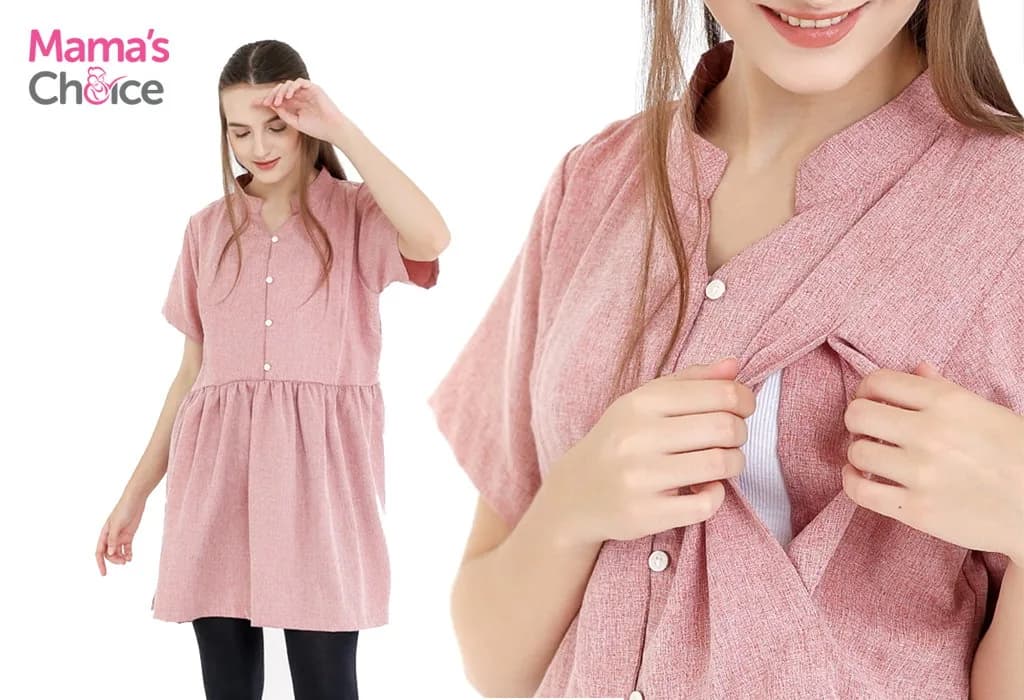
A Singapore pregnancy needs clothes that breathe in 32°C outdoors and still work in a 23°C office. Cotton, linen and modal in loose cuts, a handful of pieces that all match, and a thin layer for air-conditioning will cover almost everything. Most Mamas need maternity sizing somewhere in the second trimester.
The expensive mistake is buying a full wardrobe at 14 weeks. Your body is not finished changing, and neither is your tolerance for anything tight.
What our climate changes
Pregnancy raises your resting metabolic rate and your blood volume, so you run hotter than everyone around you. Add our humidity, which stops sweat evaporating, and overheating stops being a comfort issue. ACOG's guidance on activity in pregnancy includes avoiding overheating for good reason.
Then you walk into an office, a mall or an MRT carriage at 23°C and the problem inverts. A pregnancy here is spent crossing between two climates several times a day.
So the wardrobe that works is layered and light, rather than seasonal. One thin cardigan or shawl lives in your bag from the first trimester to the last.
What to buy, by trimester
| Stage | What you need | What can wait |
|---|---|---|
| First trimester | Nothing new. A belly band to extend your own waistbands, looser tops | Everything else |
| Second trimester | 2 or 3 maternity bottoms, 4 or 5 tops or dresses, a thin layer for aircon | Nursing-specific tops |
| Third trimester | A couple of larger dresses, supportive shoes a size up, longer tops | Anything you will wear once |
| Confinement and after | Front-opening tops, loose cotton, thin long sleeves | A full return-to-work wardrobe |
Twelve to fifteen pieces in a tight colour palette is plenty. The trick is that they should all work with each other, because towards the end you will reach for whatever is clean and cool without thinking about it.
Fabrics that survive the walk to the MRT
Cotton. Breathes, washes, cheap, and it creases, which nobody will notice.
Linen and linen blends. The best option for genuinely hot days, and the most forgiving of a changing shape.
Bamboo, modal and viscose. Soft, draping, good against stretched skin that itches.
Jersey knits with real stretch. Comfortable, and the thinner the better here.
What to avoid: polyester, anything lined, anything with a fixed waistband at your natural waist, and anything that needs ironing on a weekday morning.
Fabric matters more than usual if your bump itches, which is common by the third trimester. Breathable cotton over a moisturised bump is part of what helps, and the rest of it sits in our page on itchy stretch marks.
Dressing for a Singapore office
Dress codes here are generally kinder to pregnancy than the climate is. A loose shift dress, a wrap dress, or wide-leg trousers with an over-bump panel and a drapey top will pass in most workplaces, including fairly formal ones.
A few practical notes:
- Keep a thin cardigan at your desk permanently
- Pick dark colours for underarms if you sweat more, as many women do in pregnancy
- Choose flats or low block heels, not for safety theatre but because your balance and your feet both change
- Keep a second top in your drawer once you are past 30 weeks, for the day something leaks or spills
Government-Paid Maternity Leave runs for 16 weeks, so the clothes you buy at 24 weeks need to last you until roughly four months after the birth, not until delivery. That is the calculation many Mamas miss, because postnatal shape sits somewhere between the two.
Shoes and swollen feet
Swelling in the feet, ankles and fingers is normal in the later months, and the NHS lists heat as one of the things that makes it worse. Singapore supplies the heat all year.
Buy shoes a size up, with a strap you can loosen. Slip-ons beat laces once you cannot reach your feet. Keep your feet raised when you sit, and take your rings off before they become a problem rather than after.
Sudden or severe swelling in the face or hands, especially with a headache or visual changes, is different and needs the same-day attention of your obstetrician. Our page on postpartum swelling covers what happens after the birth, when it often gets briefly worse.
Spending sensibly
Maternity wear is worn for a few months and then stored. That makes it the ideal thing to buy second-hand, and local resale listings are full of pieces worn twice by someone whose pregnancy ran through a different season of life.
Other ways to spend less:
- Borrow from friends who have finished. Maternity clothes circulate well
- Borrow your partner's T-shirts for home
- Choose pieces that also work for nursing, since front-opening is the only requirement
- Skip the maternity-specific version of anything that comes in a loose regular cut
- Rent for one formal event rather than buying for it
The Baby Bonus cash gift and the Child Development Account are worth keeping for cot, car seat and the things you cannot borrow. Clothes are the part of a baby budget that other people happily cover.
Confinement, and the long-sleeve problem
Traditional confinement asks for covered arms and legs, socks, and no direct draught, on the reasoning that a postpartum body should not be exposed to cold or wind. Singapore then supplies 30°C and humidity.
The compromise many Mamas reach is thin long-sleeved cotton, a fan or an air-conditioner pointed away from the bed, and socks they take off when nobody is looking. Front-opening tops matter more than anything else in that month, because you will be feeding every couple of hours and you will not want to undress to do it.
Buy for the weather you actually have, and keep the tradition where it costs you nothing. If a confinement nanny disagrees about the fan, that is a negotiation worth having early.
The pieces that get worn after
Wrap dresses, loose linen shirts, elasticated wide-leg trousers and anything that opens at the front all stay in rotation long past the birth. Several of them will become what you wear to the polyclinic for weighing appointments, which is more outings than you expect.
What to pack for the hospital is a separate list, and a short one. Our hospital bag guide has it, and staying comfortable through a pregnancy here covers sleeping, sitting and the rest of the practical business. If you are working out what to buy and when, the trimester timeline sets it against everything else that happens.
Frequently asked questions
- When do I need maternity clothes?
- Most Mamas outgrow their usual waistbands somewhere in the second trimester, often around 16 to 20 weeks, though it varies a lot. Buy when your own clothes stop closing rather than on a date in the calendar.
- What fabrics work in Singapore weather?
- Cotton, linen, bamboo, modal and viscose blends, all of which breathe and dry. Polyester and anything with a lining traps sweat against skin that is already stretched and itchy, which is how heat rash starts in the folds.
- How much should I spend?
- Less than you think. A dozen well-chosen pieces will carry you through if they all go with each other, and resale listings on local marketplaces are full of barely-worn maternity wear. The Baby Bonus cash gift is better spent on things you cannot borrow.
- Do I need special clothes for confinement?
- Loose, long-sleeved cotton that opens at the front for feeding, plus socks if your household keeps to tradition. The clash is between covering up and a tropical climate, and thin long sleeves with the fan on is the compromise many Mamas settle on.
- What about swollen feet?
- Expect your shoe size to change. Swelling in the ankles and feet is normal in later pregnancy, worse in heat and worse after a day standing, so buy shoes a size up with an adjustable strap and raise your feet when you sit.
Sources
Share this article
This article is for information only and is not a substitute for diagnosis or medical advice. Please talk to your doctor about your own situation.