How to settle itchy skin in pregnancy
Why pregnancy itching happens, how aircon and haze make it worse in Singapore, and the one pattern of itching the NHS says to get checked the same week.
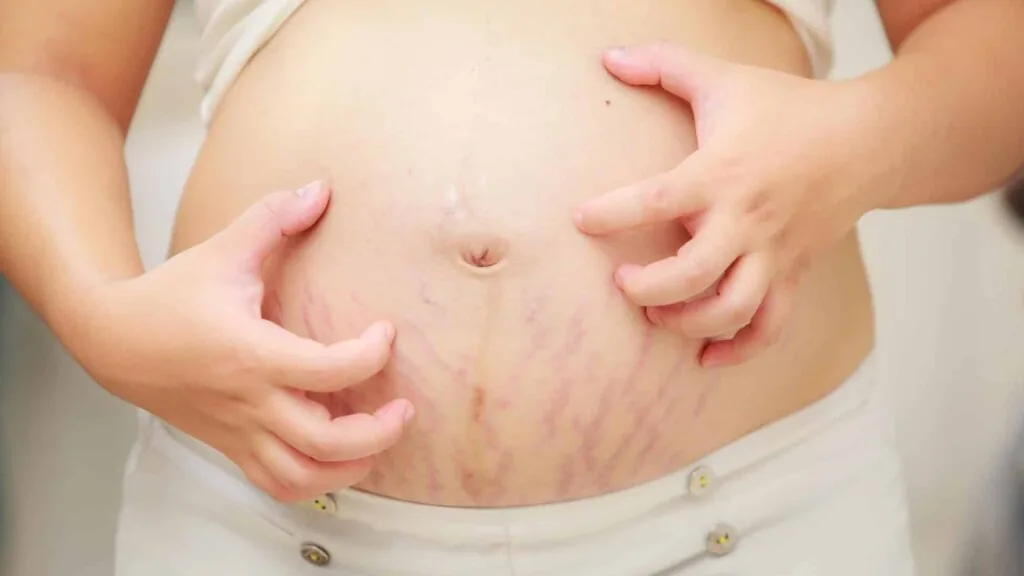
Pregnancy itching is common and usually harmless. Hormonal changes can leave skin drier, a stretching belly pulls the skin taut, and Singapore's cycle of humid streets and cold offices dries you out further. Gentle washing, a fragrance-free moisturiser and cooler showers handle most of it. Itchy palms and soles need a doctor.
Why does pregnancy make your skin itch?
Two separate things are happening, and they stack.
Hormones come first. Pregnancy hormones can change how your skin holds water, which may leave it drier and quicker to react to soap, fabric and heat. HealthHub's pregnancy guidance counts dry, sensitive skin among the ordinary skin changes of pregnancy.
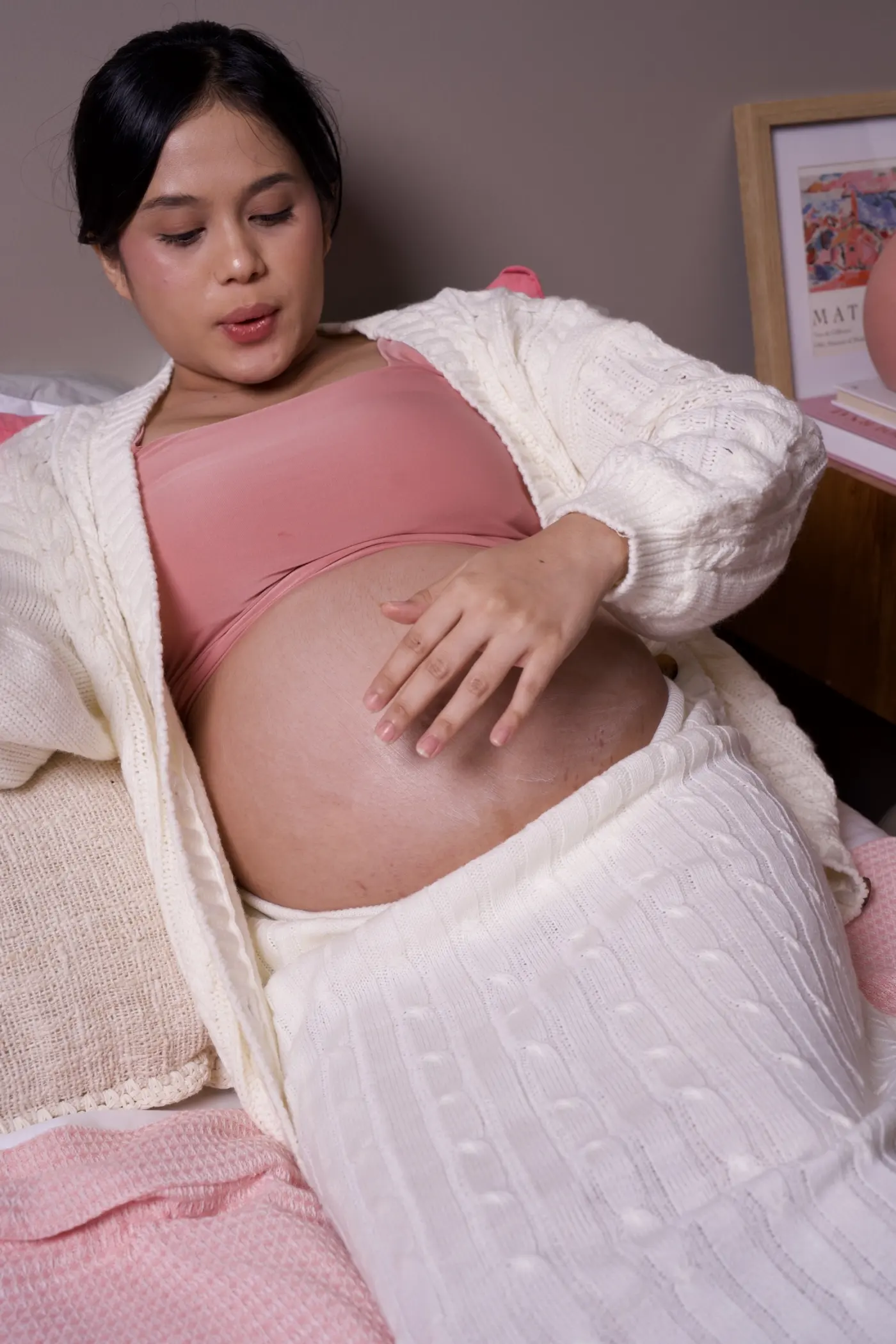
Then there is mechanical stretch. As your abdomen grows, the dermis underneath is pulled thin and some collagen fibres give way. Many women notice that tight, stretching skin itches, and an itchy belly, hips or thighs often comes around the time the first stretch marks appear.
Does Singapore's climate make it worse?
Yes, in a way that catches a lot of mothers out.
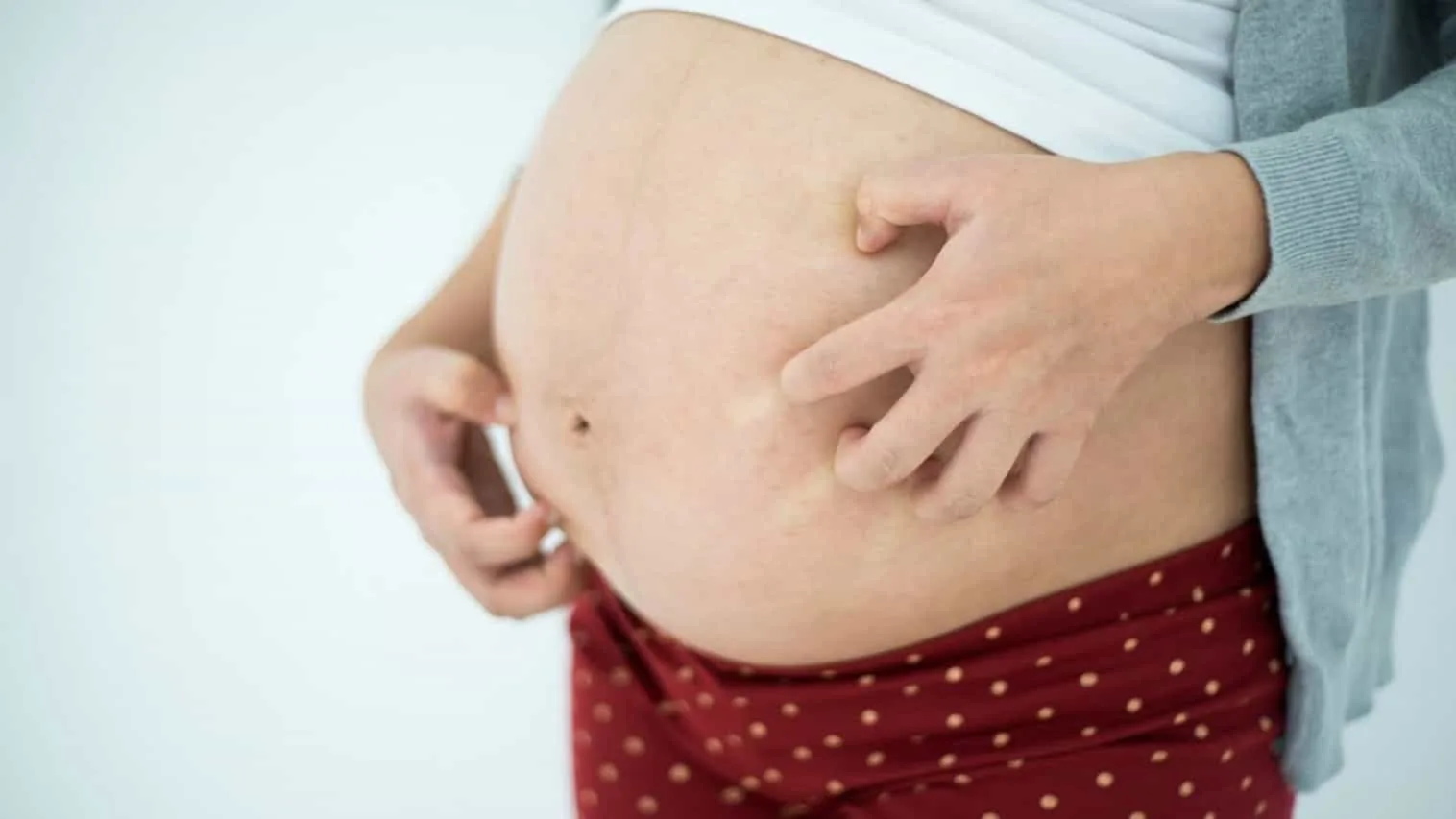
You spend the day stepping between 32°C and 90% humidity outside and a 22°C office inside. Air-conditioning strips moisture out of the air, and skin that is already drier than usual loses water to it fast. By evening the belly feels tight, which is when the long hot shower becomes tempting. Hot water removes what little surface oil is left.
Haze season adds a second layer. When the PSI climbs, the Ministry of Health's advisories single out pregnant women as a vulnerable group, and the same particulate air that irritates eyes and airways can leave sensitive skin feeling itchier. Keep the windows shut, run the air purifier, and moisturise more often rather than less on those weeks.
Six ways to deal with itchy skin during pregnancy
1. Shower cooler, and shorter
Lukewarm, under ten minutes. Hot water feels wonderful after a cold office and leaves your skin worse off than before you stepped in. Pat dry with a soft towel instead of rubbing.
2. Moisturise while you are still damp
The American Academy of Dermatology advises applying moisturiser within a few minutes of towelling off, while the skin still holds water, so the emollient seals it in. Belly, hips, thighs, lower back. A thick cream or ointment holds better than a watery lotion in air-conditioning.
3. Switch to a gentler cleanser
Sodium lauryl sulfate (SLS), a foaming agent used in many body washes, is a recognised skin irritant and can strip the barrier you are trying to protect. Look for sodium cocoyl glutamate or a cream cleanser, and skip anything heavily perfumed. Guardian, Watsons and Unity all carry fragrance-free ranges, usually shelved with the eczema products rather than with the beauty bars.
4. Pat, press, or cool it, rather than scratch
Scratching inflames skin and sets off a cycle that keeps going after the original dryness has been fixed. A cool damp flannel on the belly for five minutes breaks the urge. So does a quick press with your palm.
5. Dress for friction, not for fashion
Loose cotton over a tight synthetic waistband. Seams that sit on a stretched belly chafe all day, and the itch that follows gets blamed on hormones. Our guide to staying comfortable through pregnancy has more on what to wear in this heat.
6. Start on the belly early, and keep at it
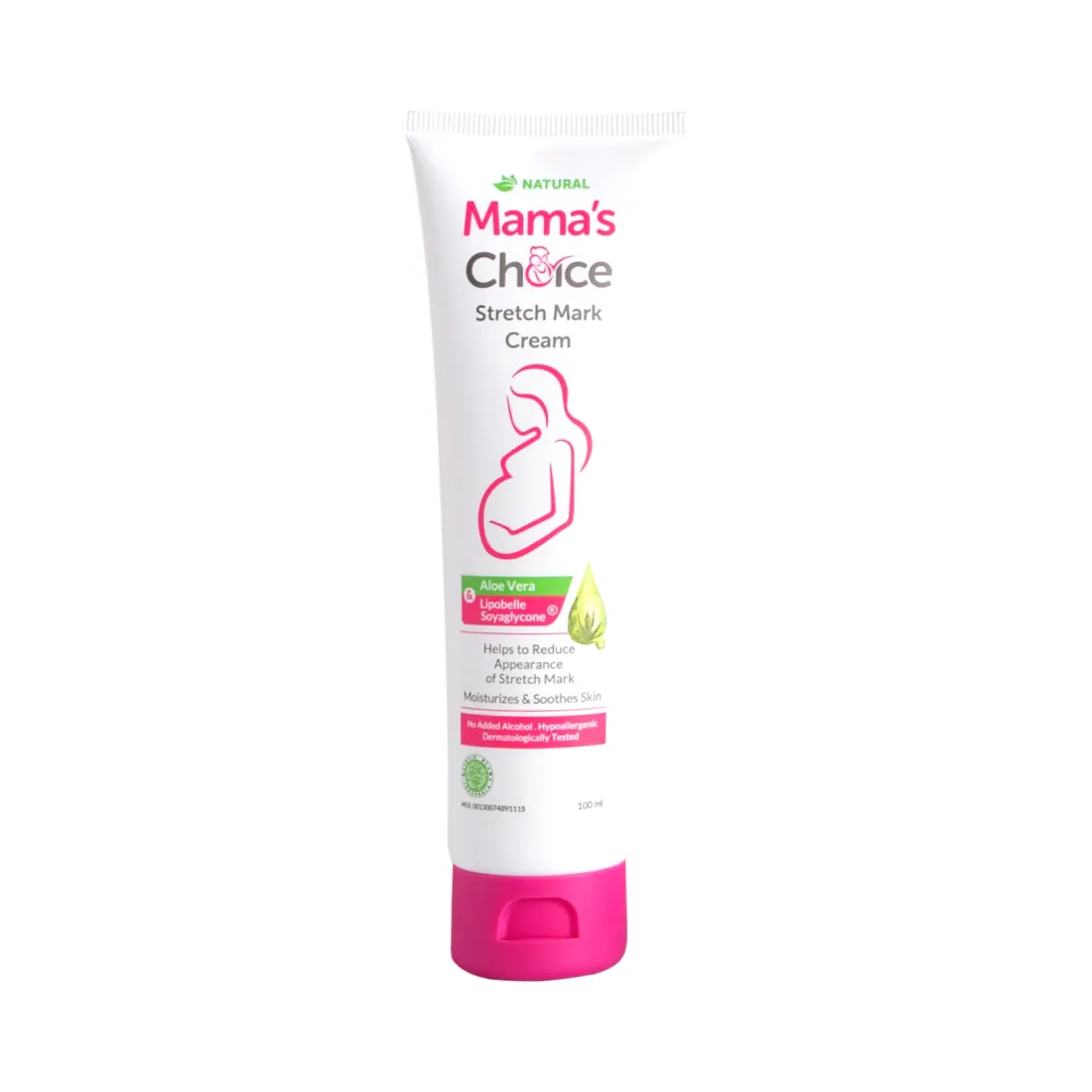
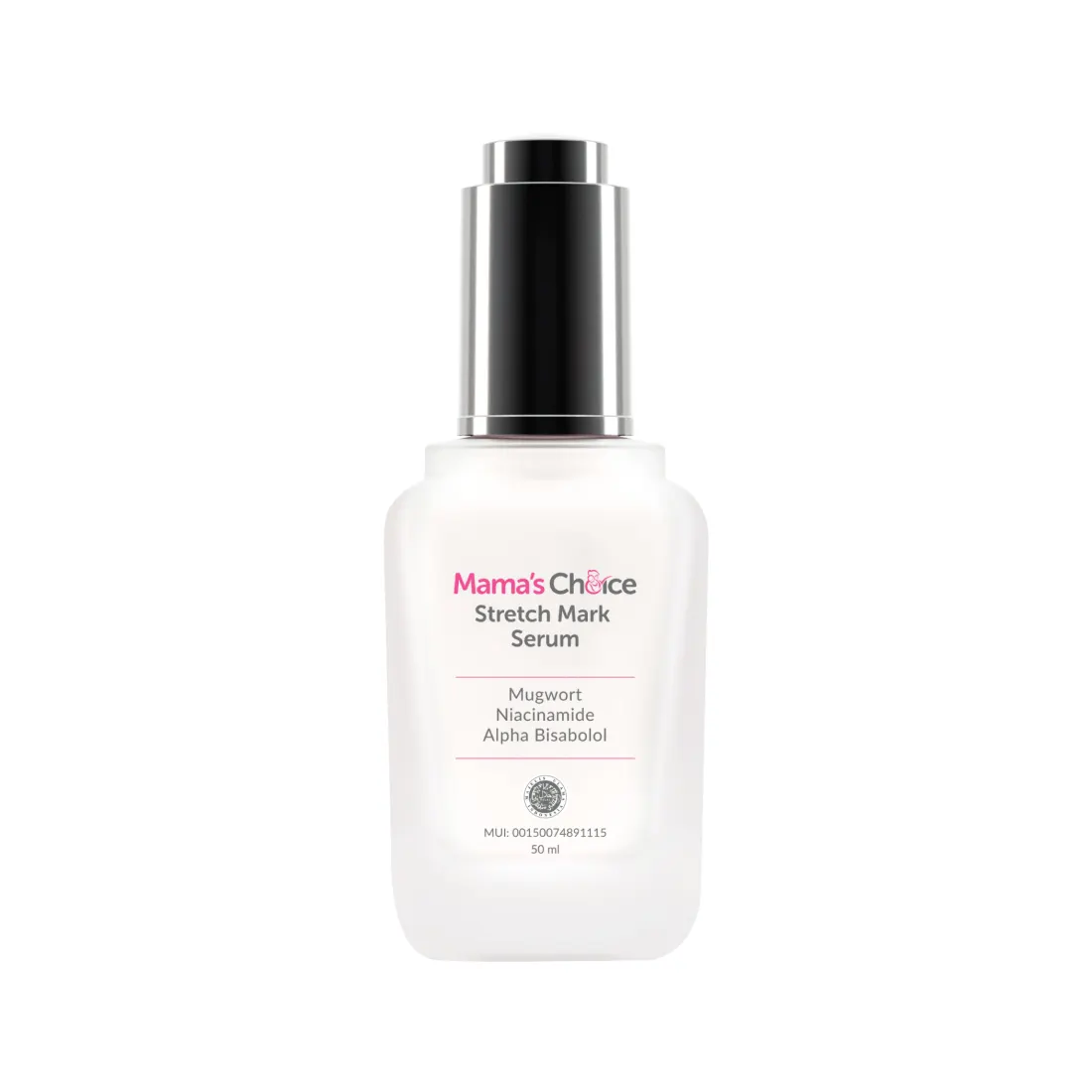
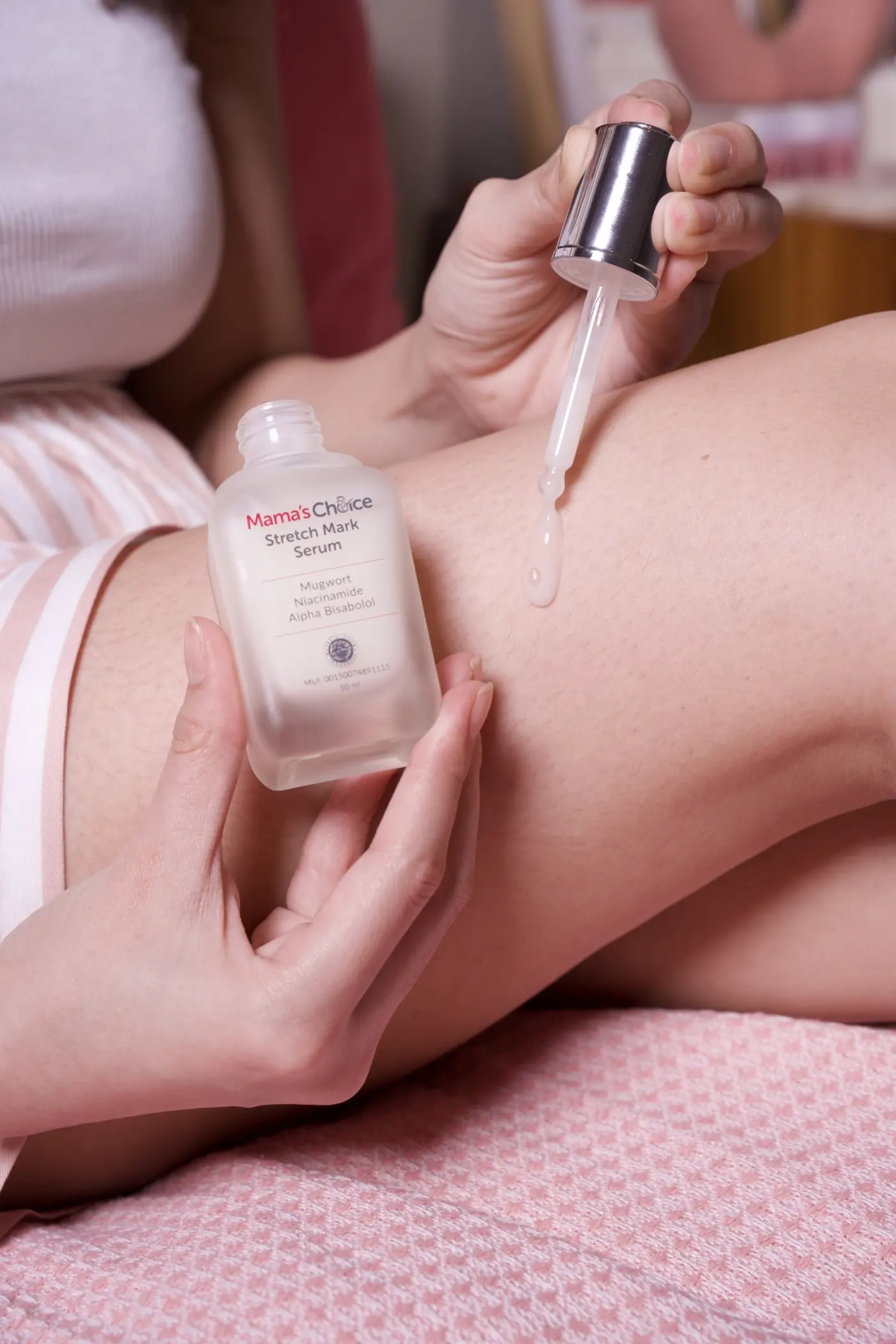
A nightly moisturising habit is easier to keep up if it starts before the skin feels tight. If you want something formulated with a pregnant belly in mind rather than a general body lotion, our Stretch Mark Cream and lighter Stretch Mark Serum are both made without retinoids. The cream is rich in shea butter, olive and jojoba oils and soothes the feeling of dry, tight skin; the serum sinks in fast. Together they give visibly smoother, more supple-looking skin as your bump grows. We have written about choosing between the formats.
Where it itches tells you something
| Where | Likely cause | What to do |
|---|---|---|
| Belly, hips, thighs | Stretching skin and dryness | Emollient twice daily, cooler showers |
| All over, worse at night | Dry skin plus aircon | Humidify the bedroom, moisturise before bed |
| Palms and soles, no rash | Possible cholestasis of pregnancy | Bloods this week, see a doctor |
| Red itchy bumps in stretch marks | PUPPP, a benign pregnancy rash | Ask your doctor, often treated topically |
| Groin and vulva | Thrush or irritation | See our guide on vaginal itching |
When is itching a warning sign?
One pattern deserves a same-week appointment. The NHS describes intrahepatic cholestasis of pregnancy as itching without any rash, typically most intense on the palms of the hands and soles of the feet, and often worse after dark. It is caused by bile acids building up, and it carries a raised risk to the baby, so obstetric teams monitor it closely. Diagnosis is a blood test for liver function and bile acids.
Other reasons to get seen: yellowing of the skin or eyes, dark urine with pale stools, itching that stops you sleeping, or a spreading rash with blisters or weeping. A polyclinic can order the bloods and refer onward, and both KKH and NUH run obstetric services that take these referrals.
Ordinary dryness, by contrast, improves within a week or two of cooler showers and a decent emollient. If yours has not budged on that regime, say so at your next antenatal visit rather than buying a stronger cream.
What to keep within reach
Keep a tub of fragrance-free emollient on the bedside table, a second one in your work bag, and a soft cotton flannel in the fridge door for the evenings when the belly feels tight. That trio costs very little and takes the edge off the worst nights.
For the stretch marks that often follow, our guide to itchy stretch marks covers what helps once the lines appear.
Frequently asked questions
- Is itchy skin in pregnancy dangerous?
- Usually no. Hormonal dryness and a stretching belly account for most of it, and it eases after delivery. The exception matters: the NHS flags itching without a rash, worst on the palms and soles and often worse at night, as a possible sign of intrahepatic cholestasis of pregnancy. That needs a blood test, not a cream.
- Does aircon make pregnancy itching worse?
- It does. Air-conditioning pulls moisture out of the air and out of your skin, and most of us in Singapore move between a cold office, a cold MRT carriage and a cold bedroom all day. Moisturising straight after a shower and keeping the bedroom thermostat a little higher both help.
- Can I scratch an itchy belly if I am careful?
- Try to pat or press instead. Scratching inflames the skin and starts an itch-scratch cycle that outlasts the original cause, and broken skin on a stretched belly is slow to settle. A cool damp flannel for a few minutes works better than fingernails.
- Which moisturiser is safe during pregnancy?
- A plain, fragrance-free emollient is the safest default, and the American Academy of Dermatology recommends applying it within a few minutes of towelling off. Avoid retinoids and high-strength salicylic acid while pregnant. Check the ingredient list rather than the word on the front of the bottle.
- When should I see a doctor about itching?
- Go the same week for itching on the palms or soles, itching with dark urine or pale stools, yellowing of the eyes, or itching severe enough to keep you awake. Any polyclinic can take the bloods, and KKH and NUH both run obstetric services for follow-up.
Sources
- NHS — Itching and intrahepatic cholestasis of pregnancy
- American Academy of Dermatology — dry skin: how dermatologists treat it
- HealthHub, Health Promotion Board — skin changes and skin care during pregnancy
- KK Women's and Children's Hospital — skin conditions in pregnancy, obstetric service
- Ministry of Health Singapore — haze health advisory for vulnerable groups
Share this article
This article is for information only and is not a substitute for diagnosis or medical advice. Please talk to your doctor about your own situation.