What helps itchy stretch marks in pregnancy
Why stretch marks itch in pregnancy, what helps in Singapore humidity, and the kind of itching that needs a blood test rather than a cream.

Stretch marks itch because skin stretching quickly dries out and its nerve endings get irritated. Cool compresses, a thick fragrance-free moisturiser applied often, loose cotton clothing and short lukewarm showers are what reliably help. Itching without any rash, worst on the palms and soles, is a different problem and needs a blood test.
Start with that last point, because it is the one worth acting on tonight if it applies to you.
When itching is not about your skin at all
Intrahepatic cholestasis of pregnancy affects the liver, and its main symptom is itching with nothing to see. The NHS describes it as itching that is often worst on the palms of the hands and the soles of the feet, frequently worse at night, usually appearing in the later part of pregnancy.
It matters because it carries risks for the baby and because it is managed with monitoring and, sometimes, earlier delivery. Diagnosis is a blood test.
So if your itch has no rash, concentrates on palms and soles, and keeps you awake, call your obstetrician or your polyclinic rather than reaching for another moisturiser. KKH, NUH and private obstetricians can all arrange the test, and being wrong about it costs you one blood draw.
Dark urine, pale stools or any yellowing of the eyes alongside the itch makes the call urgent.
The ordinary reason your bump itches
Skin has a limit to how fast it can stretch. Pushed past it, the layers thin, the barrier leaks moisture, and the collagen and elastin underneath tear in lines. Those lines are stretch marks, and while they are forming they are inflamed, which is why fresh red ones itch and old silver ones mostly do not.
The usual sites are the lower abdomen, hips, thighs, breasts and the backs of the arms. The itch tends to peak in the third trimester, when the stretching is fastest.
Our page on what stretch marks are covers the biology in more detail, including why some Mamas get them and others never do.
What makes it worse in Singapore
Our climate works on this from both directions.
Sweat. A damp fold under a bump stays damp, and sweat irritates already sensitive skin. Heat rash sets up in the same places.
Air-conditioning. A cooled bedroom pulls humidity out of the air all night, which dries the skin you spent the evening moisturising.
Hot showers. Tempting after a sticky day, and they dry the skin out quickly.
Tight waistbands and binders. Friction on stretching skin. Postnatal binders worn too early do the same.
Chlorine. Condo pool swims are excellent exercise in a pregnancy and drying on the skin, so rinse and moisturise straight after.
What actually helps
Cold, not scratching. A cool damp towel, a chilled gel pack wrapped in cloth, or the cold tap on the inside of your wrists. Cold interrupts the itch signal in a way that scratching cannot.
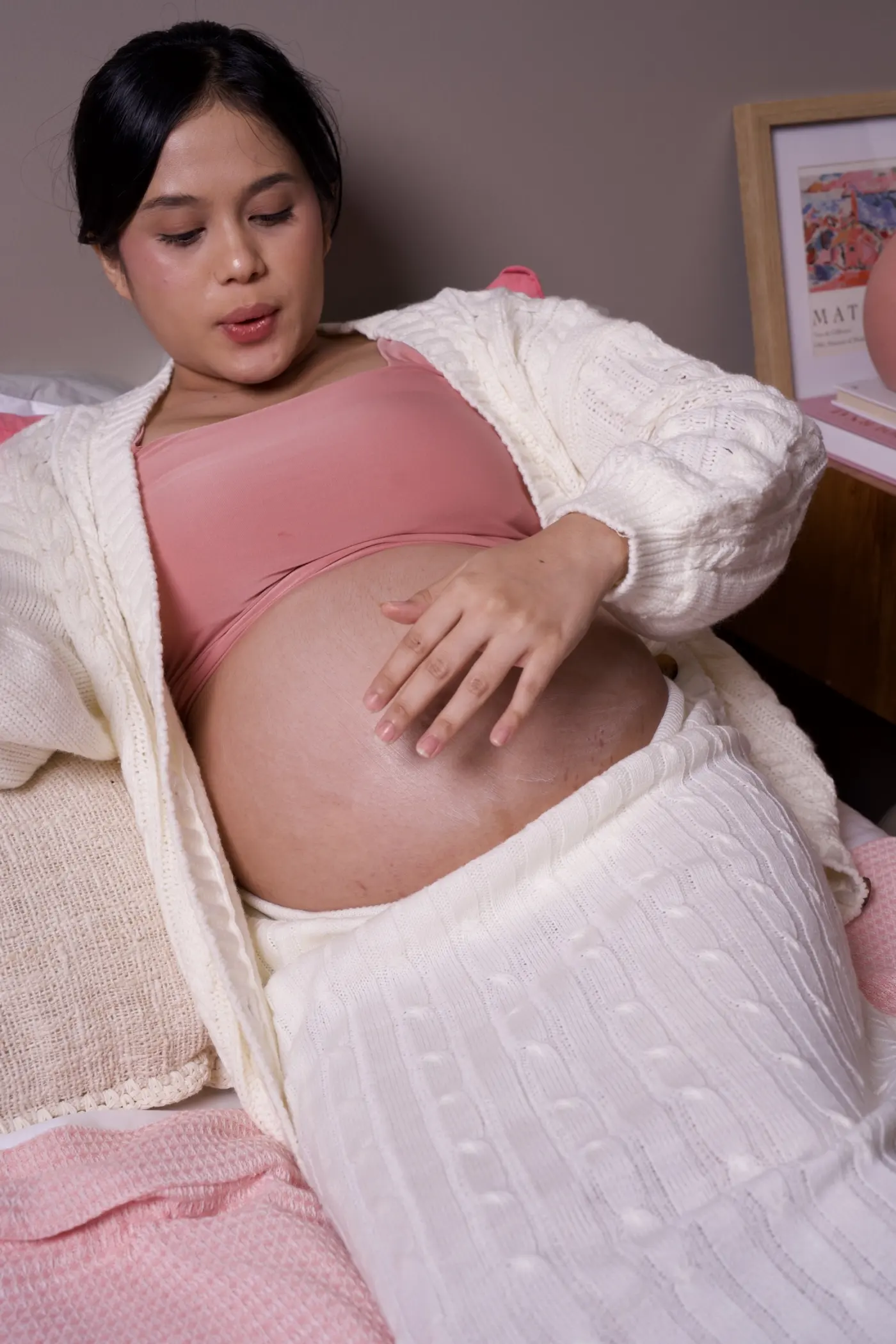
Moisturise while damp, and often. Within a few minutes of a shower, then again before bed and whenever the tightness returns. Thicker is better than lighter here.
Lukewarm, short showers. Tepid water and a mild wash, with soap kept away from the bump itself.
Loose cotton or linen. Anything that breathes. Synthetic maternity wear traps sweat against the worst-affected skin.
Keep your nails short. The 3am version of you will not exercise restraint.
Antihistamines, if a doctor agrees. Some are used in pregnancy and some are not, so this is a question for your obstetrician or a pharmacist, not for a parenting group.
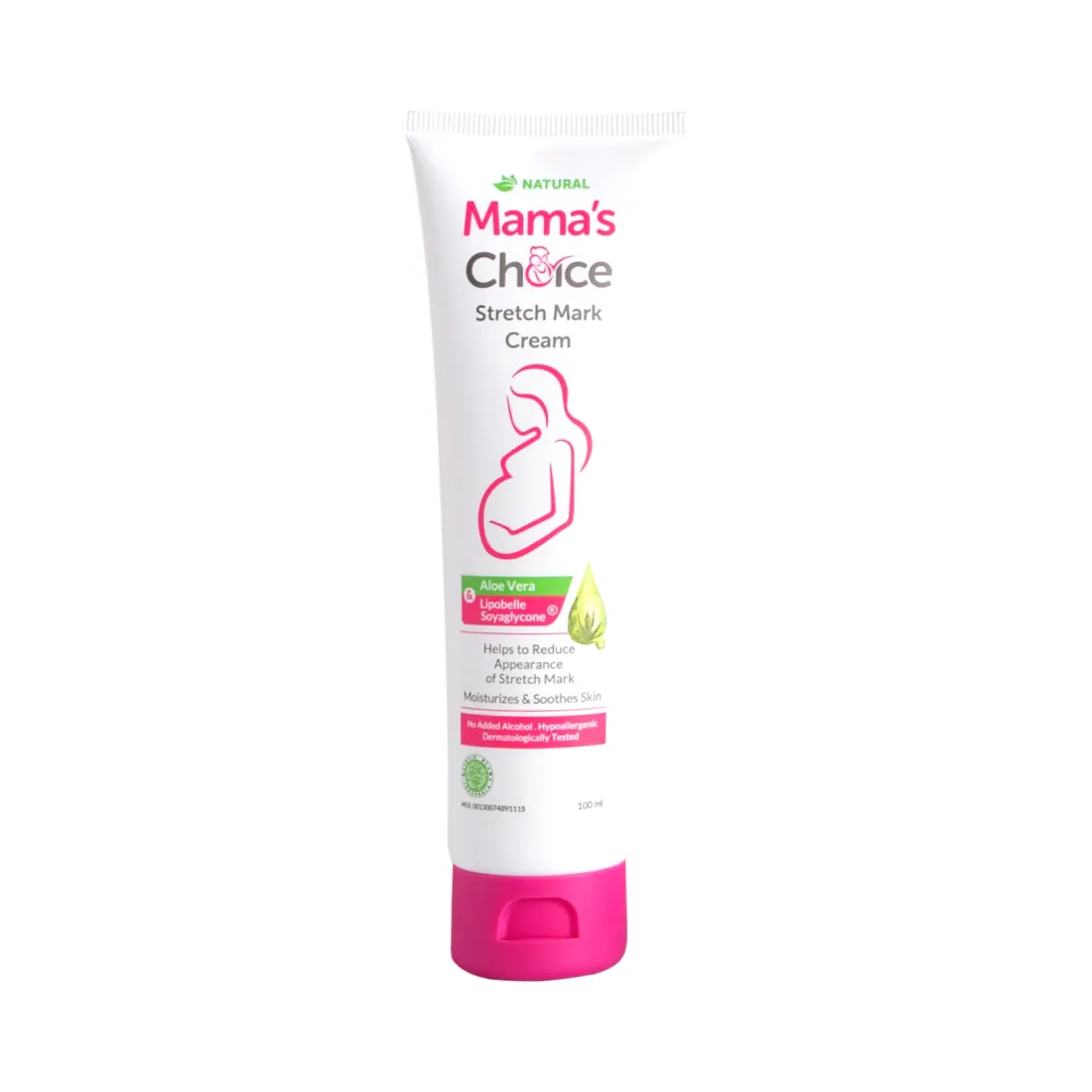
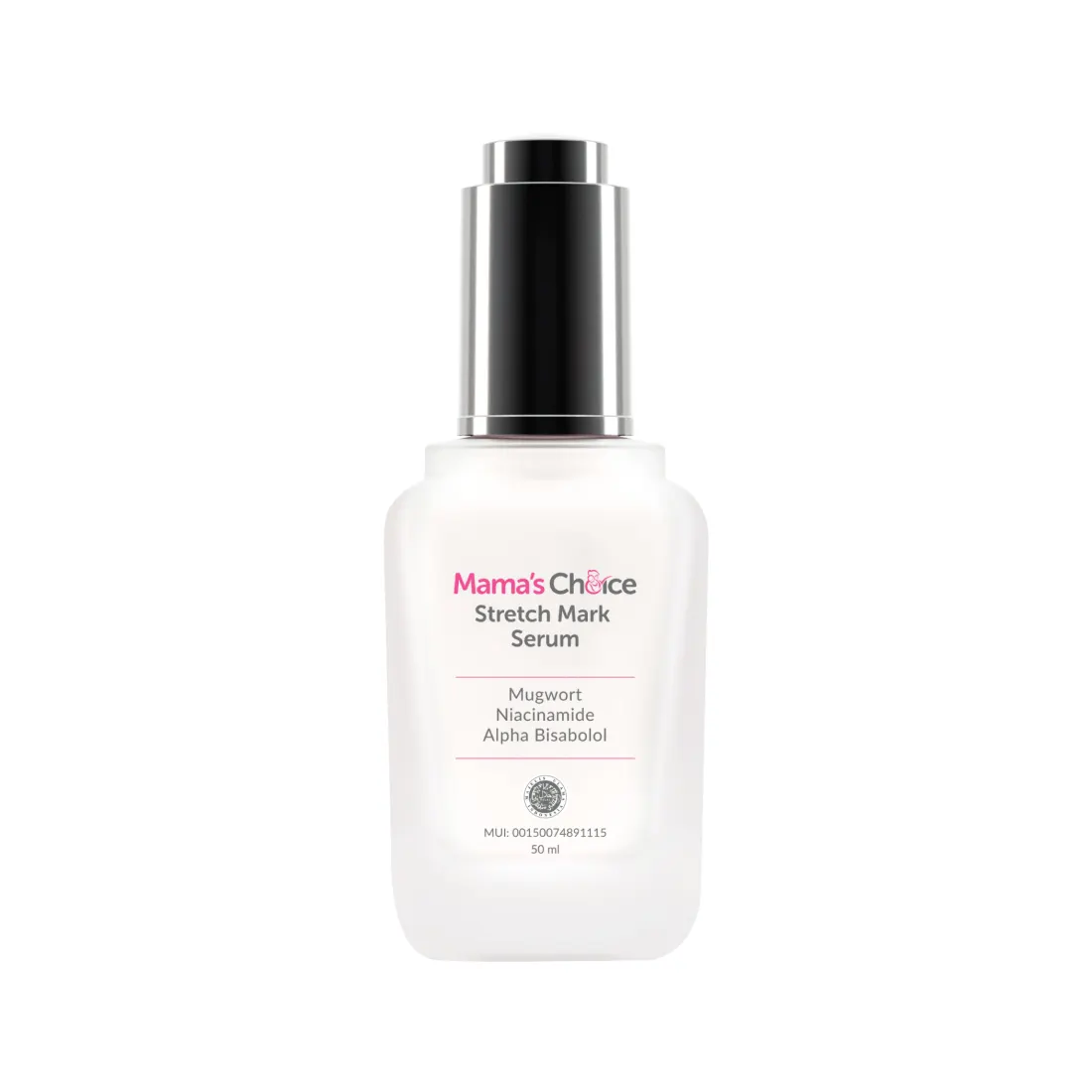
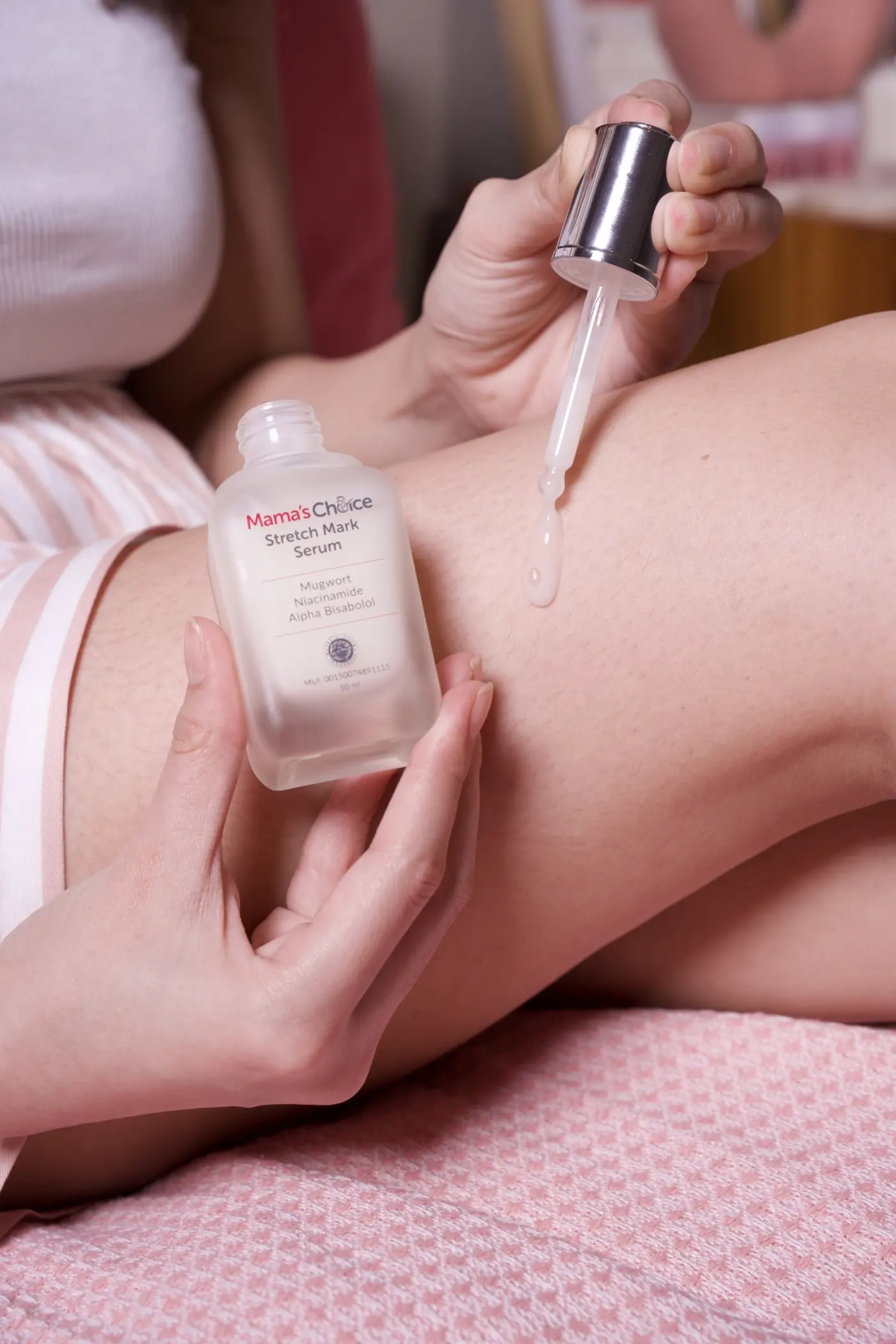
Our Stretch Mark Cream and the lighter Stretch Mark Serum are moisturisers formulated with pregnancy in mind. The cream has shea butter, olive and jojoba oils and aloe vera, and the serum is a lighter water-based formula with babassu and pracaxi oils, niacinamide and aloe vera. They moisturise stretching skin and help keep it supple, which eases the dry, tight feeling. Neither prevents stretch marks. In this heat, some Mamas prefer the serum in the daytime and the cream at night. Both contain fragrance, so try a small patch first if your skin has turned sensitive.
Why no cream prevents the marks
A Cochrane review of creams, oils and gels for preventing stretch marks in pregnancy found no good evidence that any product prevents them. Whether you get stretch marks is driven mostly by genetics, by how fast your bump grows, and by your age and skin type.
That is worth knowing before you spend a fortune. Anyone promising prevention is selling you something the evidence does not support, and we would rather say so. For comparing what the ingredients actually do, see choosing stretch mark care products and our side-by-side on shea butter and cocoa butter.
Other itches that turn up in pregnancy
| What you see | Likely cause | What to do |
|---|---|---|
| Itchy red lines on a growing bump | Stretch marks forming | Moisturise, cool compress |
| Prickly spots in skin folds | Heat rash | Cool down, keep folds dry |
| Red hives and bumps starting on the bump, spreading | Polymorphic eruption of pregnancy | See your obstetrician |
| Itchy ring around the navel or waistband | Contact irritation | Change what touches it |
| Intense itching, no rash, palms and soles | Possible cholestasis | Call your doctor promptly for a blood test |
| Scaly itchy patches with a history of eczema | Eczema flare | Emollient, see a doctor for a flare |
Our broader guide to itchy skin during pregnancy covers the ones that have nothing to do with stretching.
Afterwards
The marks change colour over the first year, from red or purple to pale and flat. Most of the itch stops within weeks of delivery, once the skin is no longer being pulled.
Treatments with some evidence behind them, according to the AAD, are prescription retinoids for fresh marks, used only after you have finished breastfeeding or as your doctor advises, and in-clinic laser or microneedling for older ones. Dermatology clinics here offer both, and the realistic result is fading rather than erasure.
Confinement is a good month to keep moisturising, as it happens. You will be indoors in air-conditioning, often wearing a binder, and the skin on your abdomen is loose and newly slack. Twice a day, after a shower, takes a minute and keeps the skin comfortable while everything settles.
Frequently asked questions
- Why do stretch marks itch?
- Skin stretching fast loses moisture through a thinned barrier, and the nerve endings in that skin get irritated. Fresh marks, the red or purple ones, itch more than old silvery ones because the inflammation is still active.
- Can any cream prevent stretch marks?
- A Cochrane review of creams and oils for preventing stretch marks in pregnancy found no good evidence that any of them work. Moisturising eases the dry, tight feeling and often takes the edge off the itch, which is a smaller claim and a realistic one.
- When is itching in pregnancy a warning sign?
- Itching without a rash, worst on the palms and soles and often worse at night, can indicate intrahepatic cholestasis of pregnancy. The NHS advises getting it checked, because it needs blood tests and closer monitoring of the pregnancy.
- Does scratching make stretch marks worse?
- It makes the skin worse. Broken skin in this climate invites infection, and scratching sets off more itching within the hour. Cold rather than nails is what stops the cycle.
- Will the marks go away after the birth?
- They fade. Red and purple marks turn pale and silvery over months to a year or two, and they flatten, though they rarely disappear altogether. The itch almost always stops once the stretching does.
Sources
Share this article
This article is for information only and is not a substitute for diagnosis or medical advice. Please talk to your doctor about your own situation.