How to bathe a newborn baby
Step by step newborn bathing, water temperature, umbilical cord care, and what to make of herbal baths during a Singapore confinement month.
Bathe a newborn with plain warm water at about 37°C, supporting her head and neck with one forearm, and keep it to a few minutes. Until the cord stump drops off, which the NHS puts at 5 to 15 days after birth, a sponge bath is the simpler option. Never step away from the tub.
Nobody feels competent at this on the first attempt. The slipperiness is genuinely alarming, and it stops being alarming by about the fourth bath.
Why the first bath waits
The WHO's postnatal care guidance recommends delaying a newborn's first bath until 24 hours after birth. The waxy coating she arrives with, called vernix, protects her skin and helps her hold her temperature, and washing it off early does neither of those any favours.
Many hospitals here follow that timing, so the first bath usually happens on the ward with a nurse demonstrating. Pay attention during that demonstration. It is worth more than any video.
What you need within arm's reach
Set everything out before you pick her up, because once she is wet you have no spare hands.
- A baby tub, basin or clean sink, filled shallow
- Two soft towels, one to wrap and one to lie her on
- Cotton wool or a soft flannel
- A clean diaper and clothes, unfolded and ready
- Baby wash if you are using any, and nothing else
Skip the bath seat, the thermometer duck and the rest. A basin and your forearm are the whole apparatus.
The sponge bath, for the first fortnight
Lie her on a towel on a firm surface, in a warm room with the air-conditioning turned down or off. Undress her one half at a time and keep the rest covered, since newborns lose heat fast even in our weather.
- Face first, with plain water only. Wipe each eye with a separate piece of damp cotton wool, from the inner corner outwards. No soap anywhere near the face.
- Behind the ears, the neck folds and under the chin. Milk collects in the creases and sours there, which is a common reason for red, sore neck folds.
- Hands and feet, including between the fingers, where lint gathers.
- Chest, back and arms, with a damp flannel.
- Diaper area last, front to back for a girl. Leave a boy's foreskin alone and do not retract it.
- Dry everything, paying attention to the folds. In a humid flat, a damp fold can stay damp for hours and get sore.
The cord stump stays dry throughout. Clean around its base with damp cotton wool if it needs it, then pat dry.
Moving into the tub
Once the stump has healed over, a proper bath becomes possible and most babies start to enjoy it.
Fill the tub shallow, about 5 cm, which is roughly the 2 inches the AAP suggests. Run the cold tap first so there is no scalding layer at the bottom, and test with your elbow. Lower her in feet first, keeping her head and shoulders clear of the water on your forearm with your hand gripping her far armpit. Your other hand does the washing.
Keep it short. Five minutes is plenty for a young baby, and long soaks strip the skin.
Lift her out, straight into a towel, and dry the folds before anything else.
How often, in this climate
The AAD puts a baby's actual need at about three times a week or less, and that figure comes from countries where babies do not sweat through the afternoon.
Singapore changes the practice without changing the principle. A short daily rinse in plain water suits a baby who has been sticky since lunchtime. What should stay occasional is the soap, because that is what strips the skin barrier.
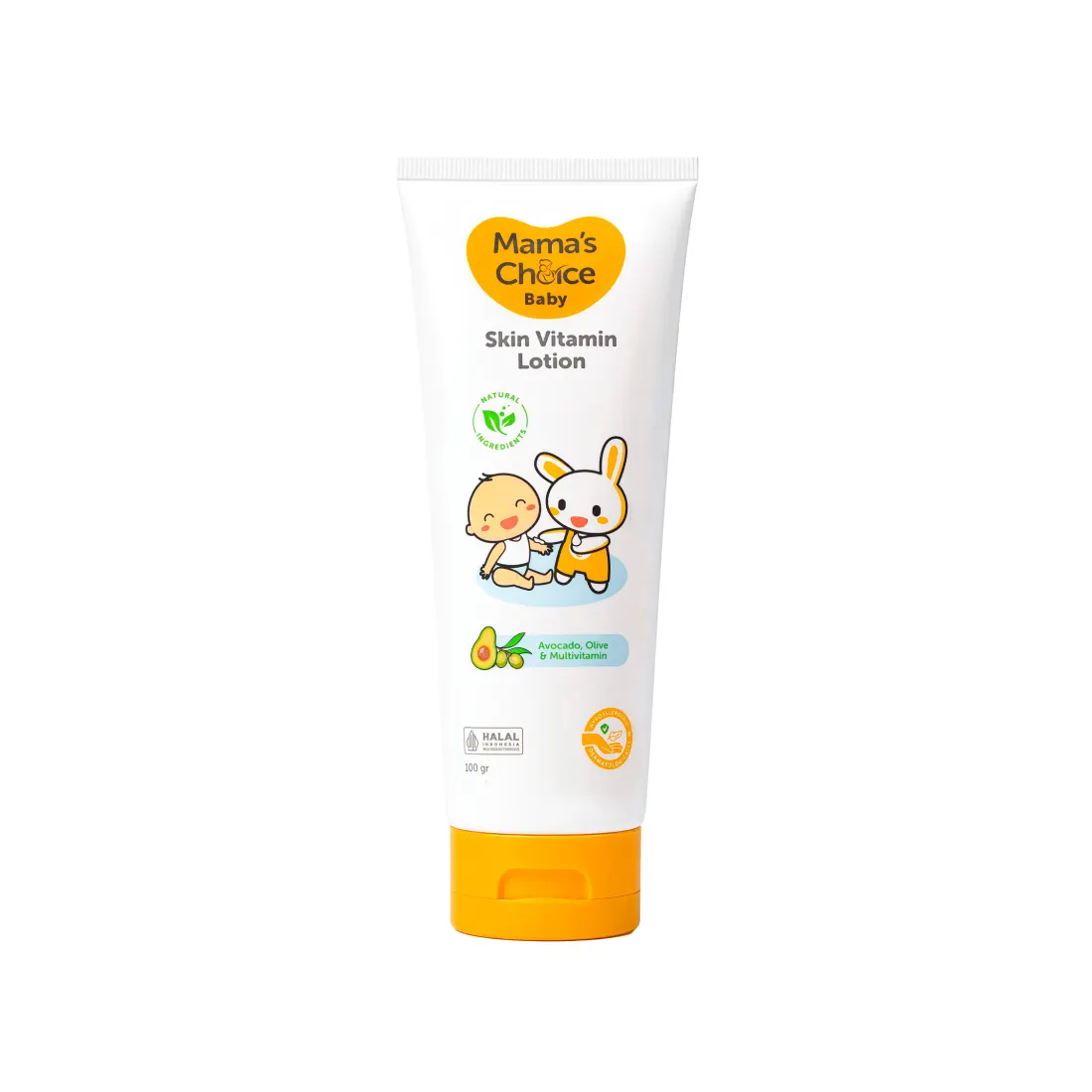
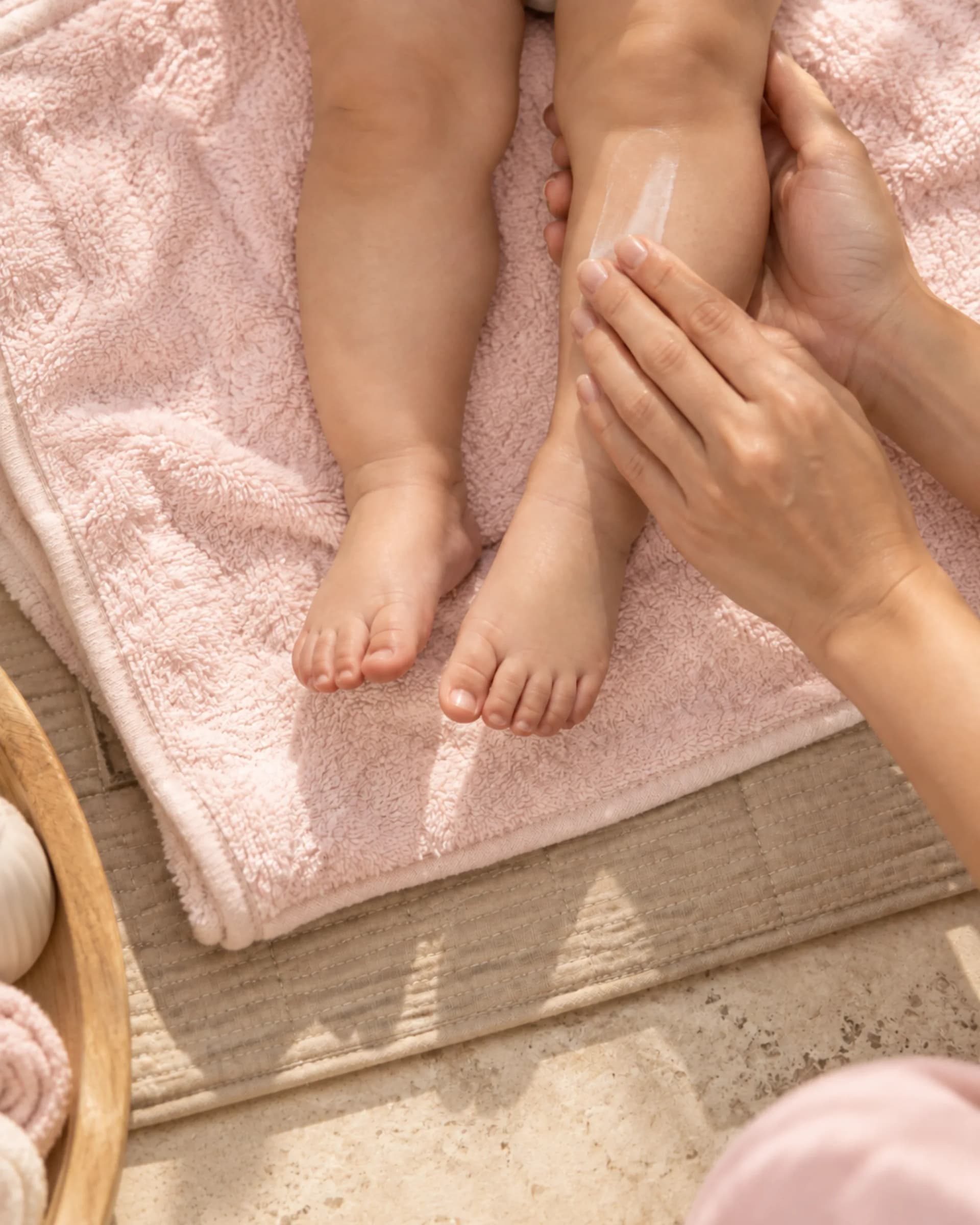
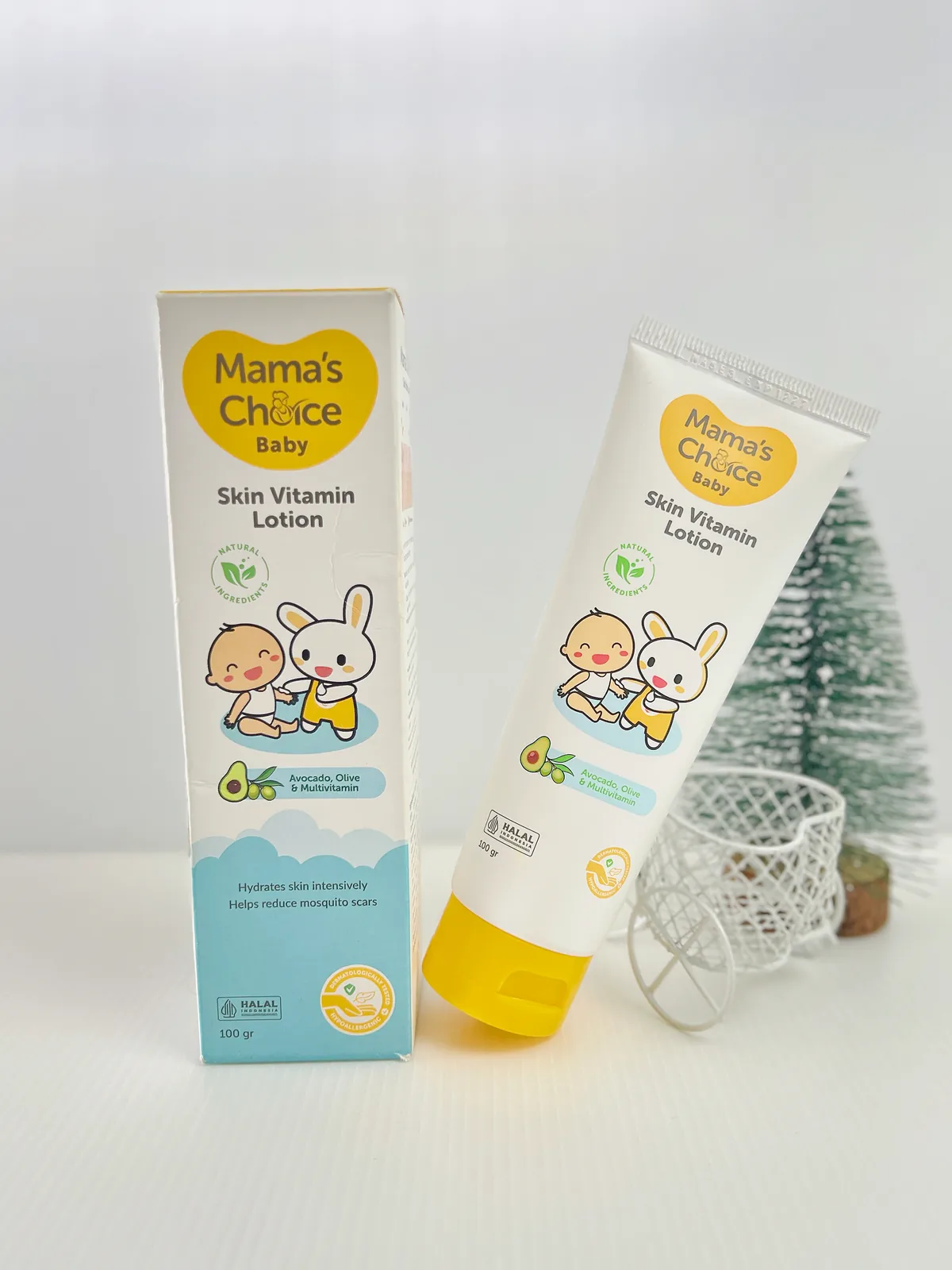
So the rule we would suggest here is daily water, soap a couple of times a week, and a gentle moisturiser afterwards if the air-conditioning is drying her out. Our Baby Skin Vitamin Lotion, a moisturiser with avocado and olive oils, is what we would use for that last step, applied while the skin is still slightly damp.
Flaking in the first weeks is normal and does not mean the bathing is wrong. Baby skin peeling explains why it happens and when it does not matter.
Cord stump care, done simply
Clean and dry. That is the whole protocol, and the NHS is clear that antiseptics and alcohol swabs are no longer recommended for a healthy baby in a clean environment.
- Fold the diaper below the stump so it is not covered
- Let air get to it, which in our weather is easy
- Expect it to darken, shrivel and smell slightly before it comes away
- Leave it to fall off on its own, however loose it looks
Call a doctor for redness spreading onto the abdomen, pus, a foul smell, bleeding that keeps restarting, or any fever. Polyclinics and your paediatrician both handle this routinely, and it is better checked than wondered about.
Herbal baths and the confinement month
A confinement nanny may want to add herbal packets to the bath water, or to wipe the baby with a prepared infusion. These traditions are old and meaningful, and they sit awkwardly against a newborn's skin barrier, which is still forming in the first month.
What every clinical source recommends for a newborn is plain water. Herbal mixtures sold in medical halls vary in content and concentration, often come without a full ingredient list, and occasionally contain things nobody intended. The Health Sciences Authority publishes alerts about unlabelled products for exactly that reason.
If a herbal bath is going to happen in your household, the compromise worth negotiating is this. Keep it off the cord stump, keep it off her face, rinse with plain water afterwards, and stop at the first sign of redness. Your own confinement bath is a separate matter and a question for you rather than for her skin.
Mistakes that are easy to make here
Bathing in a cold room. An air-conditioned bedroom at 23°C and a wet baby do not go together. Turn it off, bathe, dress her, then turn it back on.
Over-washing the hair. A once or twice weekly rinse is enough. Scrubbing at scales does not help, and our piece on cradle cap explains what does.
Cotton buds in ears and nose. Clean only what you can see from outside.
Treating every spot as a bathing failure. Milia, heat rash and newborn acne all come and go on their own. Milia on a baby's face and common baby rashes sort out which is which.
Buying the full aisle. Our list of newborn products actually worth owning is shorter than any shop would like.
One habit worth keeping
Pick a time of day and stay with it. Late afternoon suits most families here, before the evening feed and before the heat of the day has fully gone out of the flat, and it gives a baby a marker she will come to recognise. A bath at a predictable hour becomes one of the few parts of a newborn day that holds its shape.
Frequently asked questions
- Can I bathe my newborn before the cord stump falls off?
- A sponge bath is the usual advice until it drops away, which the NHS says happens 5 to 15 days after birth. If you do put her in water, keep it brief and shallow and dry the base of the stump properly afterwards.
- How warm should the water be?
- Around 37°C, which feels barely warm to an adult hand. Test it with your elbow or inner wrist rather than your fingers, run the cold tap first and the hot second, then swirl it before she goes in.
- How often does a baby in Singapore need a bath?
- The American Academy of Dermatology says about three times a week or less is enough for a baby, though in this humidity a short daily rinse is reasonable and often welcome. What should stay occasional is soap, not water.
- Is a herbal confinement bath safe for the baby?
- Plain water is what every clinical source recommends for newborn skin. Herbal packets vary in content and strength, the label often does not list everything in them, and a newborn's skin barrier is still forming. If your nanny prepares one, keep it off the cord stump and watch for redness.
- When should I call a doctor about the cord?
- Redness spreading onto the belly, pus, a foul smell, bleeding that does not stop, or a baby who is feverish or feeding poorly. Those need a clinic the same day rather than a wait-and-see.
Sources
- WHO — Postnatal care recommendations, including delaying the first bath
- NHS — Washing and bathing your baby, and umbilical cord care
- AAP HealthyChildren — Bathing your baby
- AAD — Baby skin care and bathing frequency
- HealthHub (Health Promotion Board) — Caring for your newborn
- KK Women's and Children's Hospital — Newborn care advice
Share this article
This article is for information only and is not a substitute for diagnosis or medical advice. Please talk to your doctor about your own situation.