Can I use olive oil on my baby's skin?
Olive oil is a Singapore newborn ritual, yet the evidence on infant skin is poor. What dermatology advice says, and what to use on baby skin instead.
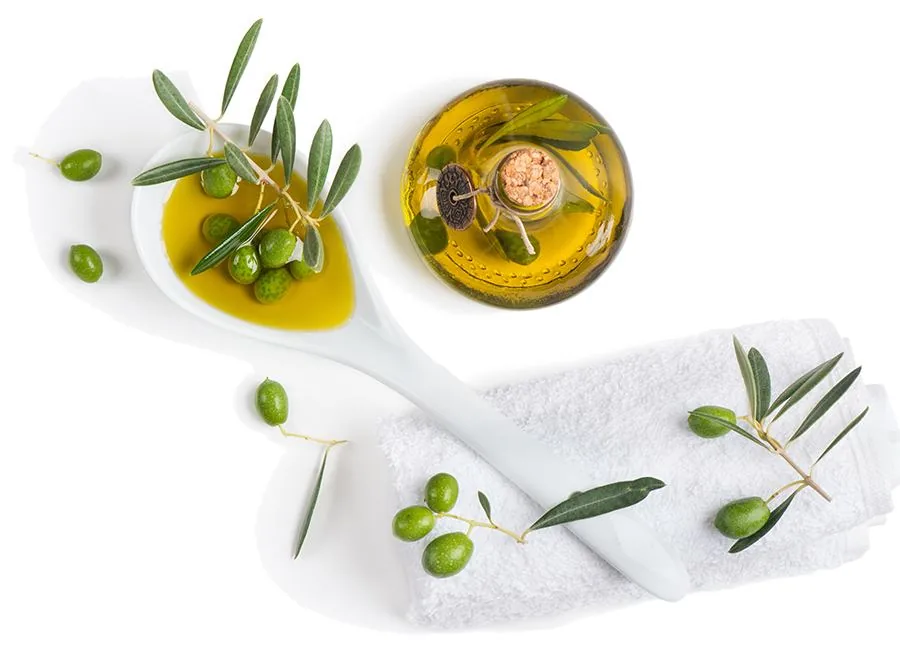
Olive oil is used on newborns across Singapore and a single massage rarely does visible harm, though the evidence for it as a baby moisturiser is weak. It is high in oleic acid, which can loosen the skin barrier, and that matters most for babies prone to eczema. A plain emollient is the better default.
That answer has changed since this article was first published, and the change is worth explaining rather than glossing over.
What the evidence on olive oil actually shows
Olive oil arrived in baby care on reputation. It is edible, it has been in kitchens for millennia, and it feels kinder than anything with a chemical name on the label. None of that is evidence about skin.
A Cochrane review of skin care interventions in infants found that applying moisturiser to healthy newborn skin probably does not prevent eczema, and noted a possible increase in skin infection. For olive oil specifically, the research that exists has pointed the other way from the folk wisdom. A small study in adult volunteers found that neat olive oil, applied for a few weeks, weakened the skin barrier rather than strengthening it.
The NHS takes the simplest line of all on brand-new skin. For roughly the first month it advises plain water, with no cleansers, lotions or oils, because a newborn's skin is still finishing the job of becoming a barrier.
Why oleic acid matters for a baby's skin barrier
Olive oil is mostly oleic acid. Oleic acid is a fatty acid that loosens the packing of the stratum corneum, the thin outer layer that holds water in and keeps irritants and bacteria out. Loosen that layer and you get more water loss, not less.
Dermatology bodies, the American Academy of Dermatology among them, now direct parents towards plain fragrance-free emollients formulated for skin rather than oils from the kitchen shelf. The warning carries most weight for babies who already have eczema, or who have a parent or sibling with eczema, asthma or hay fever.
For a chubby, comfortable baby with no skin problems, an occasional oil massage is a low-stakes thing. For a baby whose cheeks are already red and rough, it is a risk with nothing on the other side of the ledger.
What olive oil is still reasonably used for
Softening cradle cap is the clearest case. The NHS suggests massaging a baby oil or an emollient into the scaly patches, leaving it a while, then washing the hair and lifting the scales out with a soft brush. A bland oil loosens a crust perfectly well, and our guide to getting rid of cradle cap covers the rest of the routine.
It also has an obvious home in your cooking, where the nutrition argument for olive oil is strong and the skin barrier is nobody's concern.
What it should not be used for is daily all-over moisturising, treating a diaper rash, or cleaning inside ears and noses. Never put a cotton bud inside your baby's ear or nostril. Plain water and cotton wool handle the outside of the folds.
What to use on baby skin instead
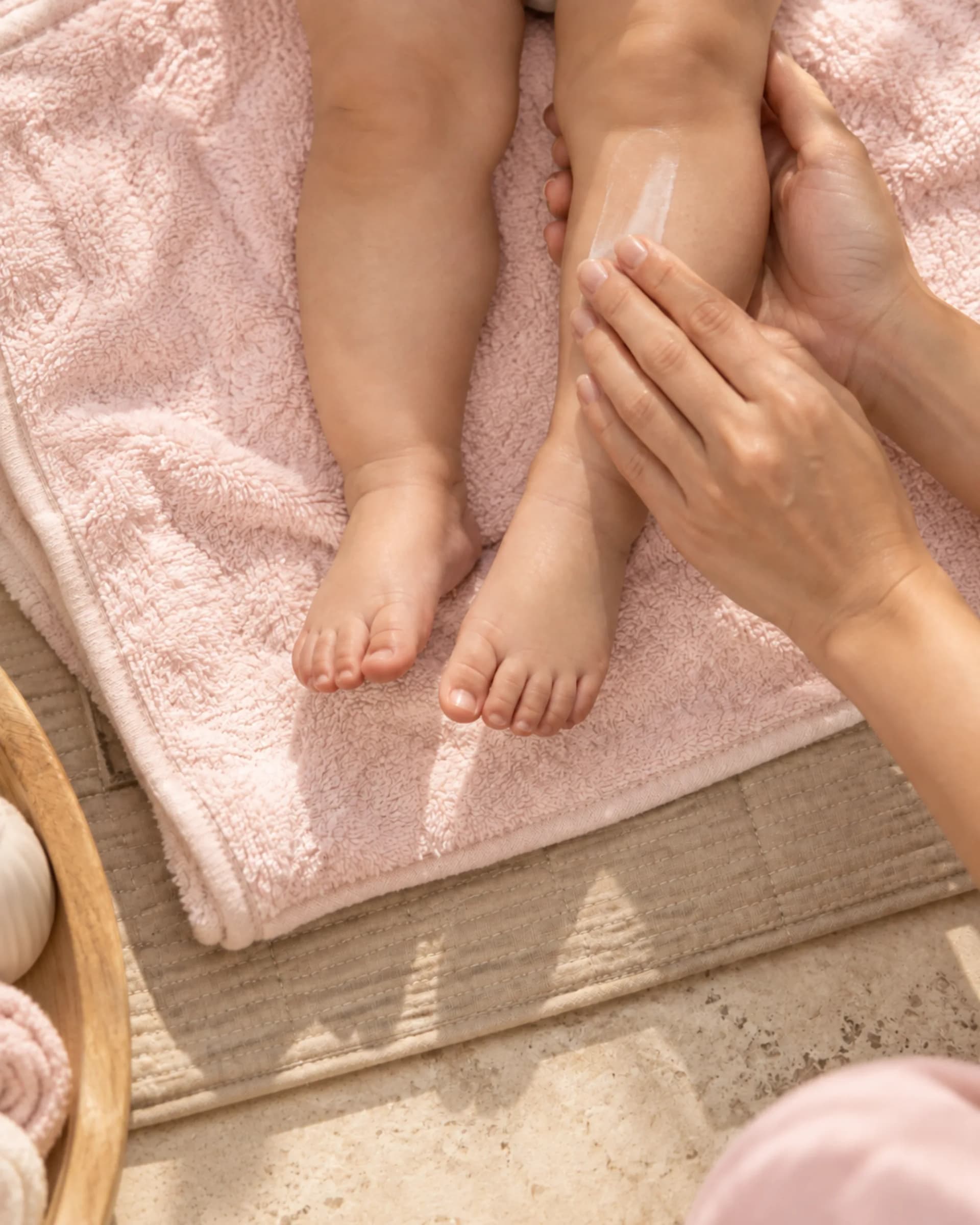
A fragrance-free emollient cream is the workhorse. The AAD advises bathing in lukewarm water, patting dry, and moisturising within a few minutes while the skin is still slightly damp, which locks in the water the bath put there. That timing matters more than the product.
Thicker is better for drier skin. A cream in a tub generally holds more than a lotion in a pump bottle, and an ointment holds more still, which gets uncomfortable in this humidity unless you are using it on patches rather than everywhere.
Our piece on choosing a baby moisturiser in Singapore goes through the label, and if you are weighing the kitchen oils against each other, we have a separate article on coconut oil on skin. For the bath itself, see bathing a newborn.
How to talk to your mother-in-law or confinement nanny
Somebody will warm a bowl of oil and want to massage your baby. That is not a battle worth picking, and the massage itself is genuinely good for both of you.
Separate the ritual from the medium. The touch, the rhythm and the quiet half-hour are the parts that settle a baby, and the oil is only the thing that lets hands glide. Offer the lotion you already use after bathtime and most nannies will accept it once they see it absorb.
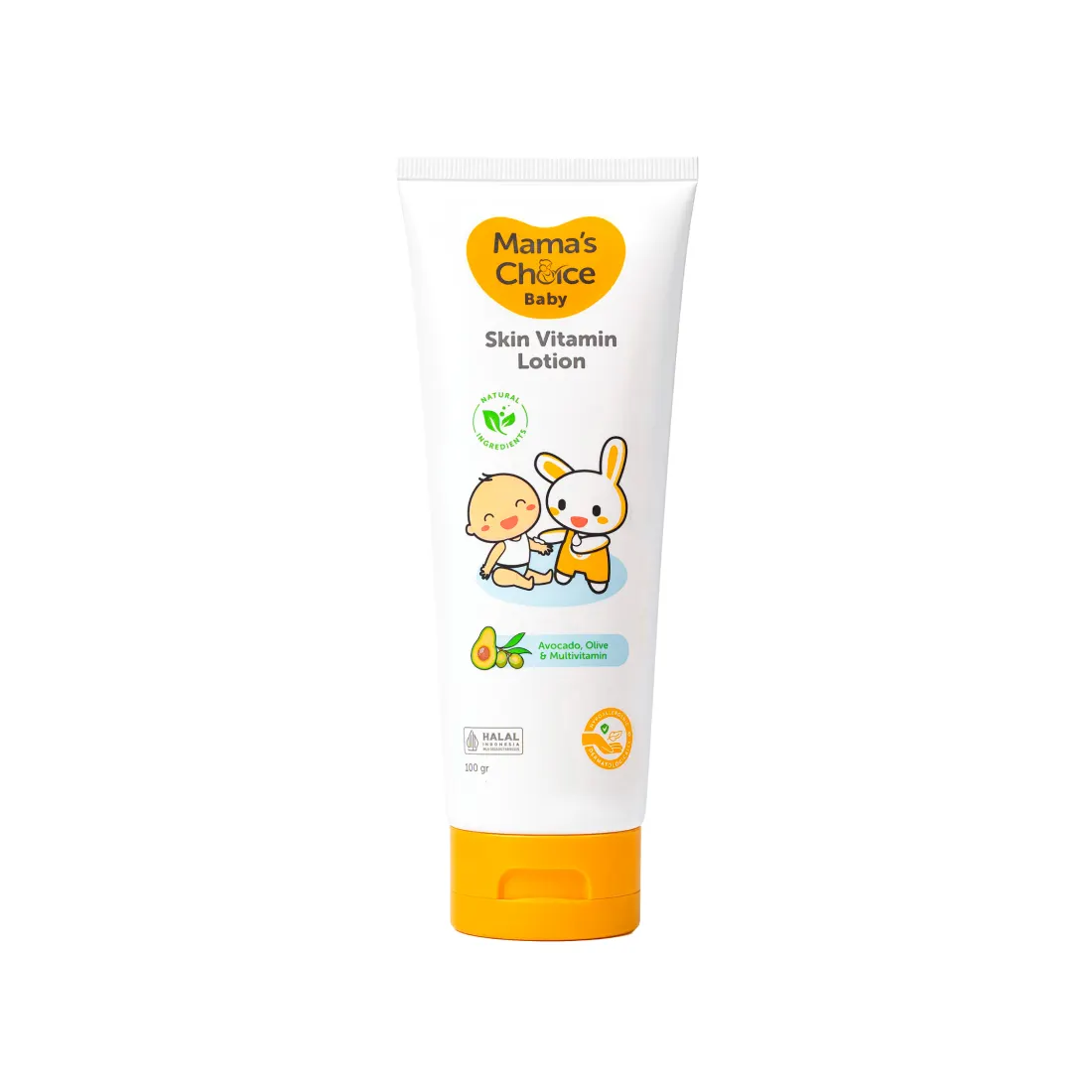
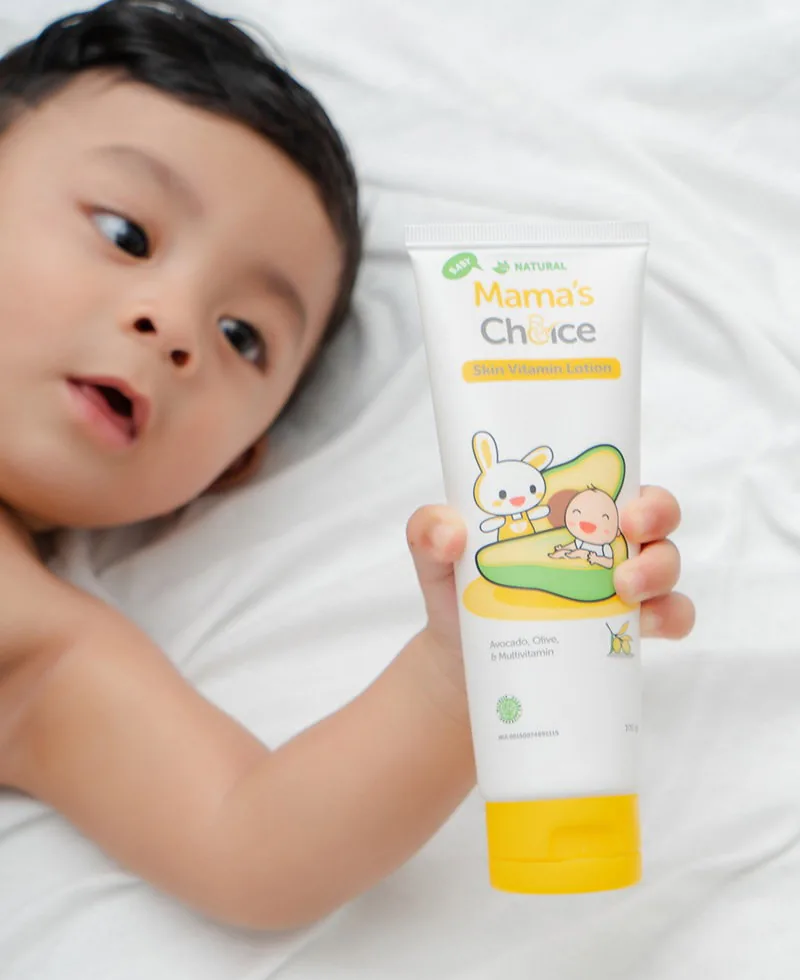
Mama's Choice Baby Skin Vitamin Lotion sits easily in that slot, straight after the evening bath. It glides well enough for a massage, soaks in instead of leaving your baby slick, and leaves skin soft: in a 2022 use test, 28 of 29 mothers agreed it helped their baby's skin feel softer. It blends shea butter with avocado, almond and a little olive oil in a finished lotion, which is a different thing from neat oil out of the kitchen bottle, and the full ingredient list is on the product page. If the kitchen oil stays in the routine anyway, keep it off a baby with eczema, use a little, and wipe the excess so your baby is not slick inside a swaddle in a warm room.
Dry skin or heat rash, which is it?
This is where Singapore changes the advice. At around 30°C and humidity near 80%, weather-driven dry skin is uncommon here, so a lot of what gets treated as dryness is something else.
Newborn peeling in the first weeks is ordinary shedding. Leave it alone. Fine red bumps across the neck, the upper back and the skin folds are usually heat rash, and spreading oil over blocked sweat ducts makes that worse rather than better. Our rundown of common baby rashes shows what each one looks like.
Real dryness does happen here, and it usually comes from the aircon. A bedroom held at 23°C overnight pulls water out of skin for eight hours straight, which is why the flaky patches often appear in the morning rather than after a day outdoors.
When to take your baby to the polyclinic
Eczema is common among Singaporean children, and a tub of emollient will not be enough for every case. Book an appointment if the patches are weeping, crusted yellow, or spreading, if your baby is scratching enough to break the skin or losing sleep over it, or if a fortnight of consistent moisturising has changed nothing.
Go sooner if the skin looks infected and your baby is feverish. Do not wait on that one. A GP covers the hours a polyclinic does not.
Your polyclinic doctor can prescribe a topical steroid and, when a case needs more than that, refer your child onward to paediatric dermatology at KK Women's and Children's Hospital. Ask for the referral if you have been managing flares alone for months. One practical move for tonight: put the emollient next to the changing mat where you will actually reach for it, and leave the olive oil in the kitchen cupboard where it belongs.
Frequently asked questions
- Is olive oil dangerous for a baby?
- A single massage is very unlikely to do visible harm. The concern is repeated use on skin that is still building its barrier, because olive oil is high in oleic acid and dermatology advice now steers parents away from it for infant skin care. A plain fragrance-free emollient is the safer habit.
- My confinement nanny insists on oil massage. What do I do?
- Keep the massage and change the medium. The contact and the rhythm are what settle a baby, so a baby lotion or emollient from the bath shelf does the same job. Many nannies are happy once they see the lotion absorb properly.
- Can I use olive oil on cradle cap?
- The NHS suggests softening the scales by gently massaging a baby oil or an emollient into the scalp, then washing and brushing them out with a soft brush. Any bland oil will loosen a crust. On a baby with eczema elsewhere, use the emollient your polyclinic doctor already recommended.
- Does baby massage still help if I skip the oil?
- Yes. The benefits parents notice, calmer babies and easier settling, come from the touch rather than from the bottle. Use a little emollient for glide and keep the room warm enough that your baby is not undressed in a cold draught.
- My baby's skin looks dry in Singapore. Is that really dryness?
- Often it is not. Newborn peeling in the first weeks is normal shedding, and fine red bumps in the neck folds are usually heat rash rather than dry skin. Air-conditioned bedrooms do dry skin out overnight, so dryness is worth treating when it shows up after a cool night.
Sources
- NHS — Washing and bathing your baby
- NHS — Cradle cap
- Cochrane — Skin care interventions in infants for preventing eczema and food allergy
- American Academy of Dermatology — Eczema in babies and how to bathe and moisturise a child
- AAP (HealthyChildren) — Baby skin care and bathing
- KK Women's and Children's Hospital — Dermatology service for children
- HealthHub (Health Promotion Board) — Caring for your baby's skin
Share this article
This article is for information only and is not a substitute for diagnosis or medical advice. Please talk to your doctor about your own situation.