How to choose the best baby moisturiser in Singapore
Humid days, air-conditioned nights and infant eczema all change what baby skin needs. How to read a label and moisturise well in Singapore.
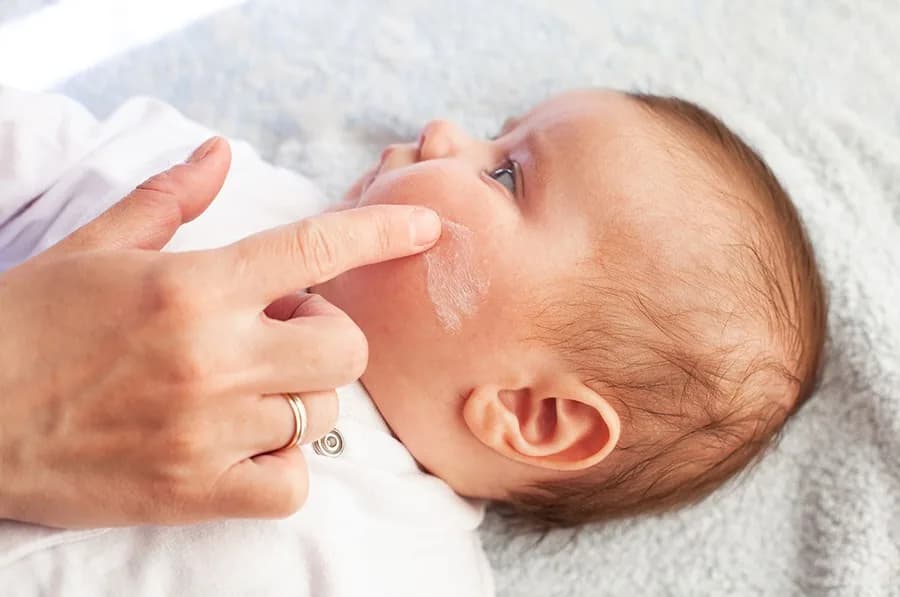
Humid air outside, cold dry air indoors, and a skin barrier that is still only weeks old. Baby skin in Singapore is worked on from both directions.
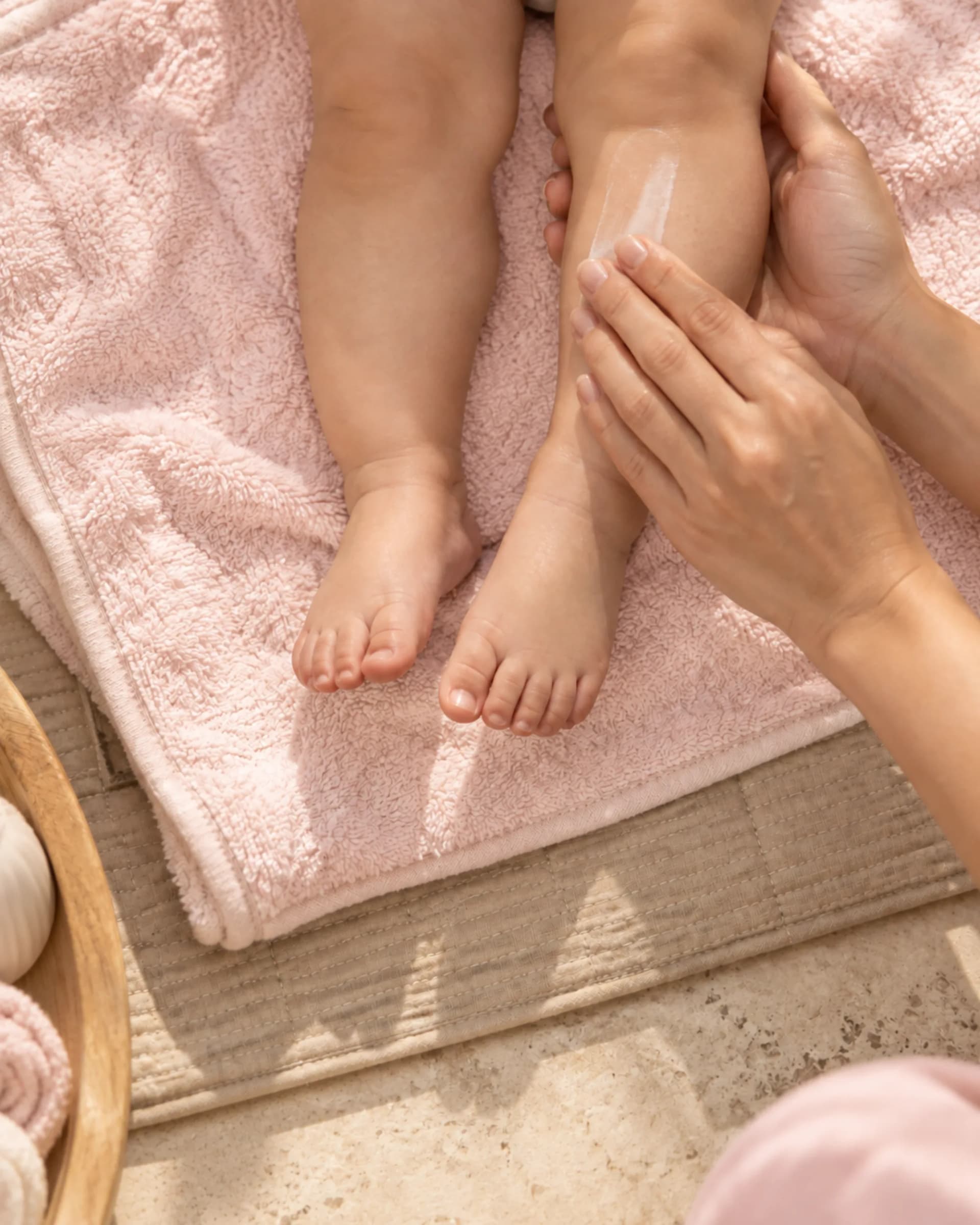
A baby moisturiser worth buying in Singapore is fragrance-free, free of drying alcohols, dermatologically tested on sensitive skin, and light enough to sink in before your baby squirms away. Apply it straight after the bath, while the skin is still damp. Reach for a thicker cream on the patches that flake.
Why does baby skin dry out in a country this humid?
The dryness usually has nothing to do with the weather report. It comes from the air indoors.
Most homes here run air-conditioning overnight, and the shuttle between a 32°C carpark and a 23°C mall happens several times a day. Cooled air holds far less moisture, so skin that was damp at the lift lobby is tight by bedtime. Haze season adds a second irritant when the PSI climbs and windows stay shut for days.
A baby’s skin barrier is also thinner and more permeable than yours, which is why flaking shows up in the first weeks of life. The NHS puts emollients at the base of eczema care for children and advises using them every day, including on the days when the skin looks settled. HealthHub treats daily moisturising the same way, as ordinary baby care rather than medicine.
Eczema is common among Singapore children, and it tends to behave worse in air-conditioned bedrooms. Moisturiser is the part of the routine you control.
What should be on the ingredient list?
Most of the work is done by humectants, emollients and occlusives. A good formula carries some of each.
Humectants such as glycerin pull water into the outer layer of skin. Emollients such as sunflower seed oil and ceramides fill the gaps between skin cells so it feels smooth. Occlusives sit on top and slow the water leaving.
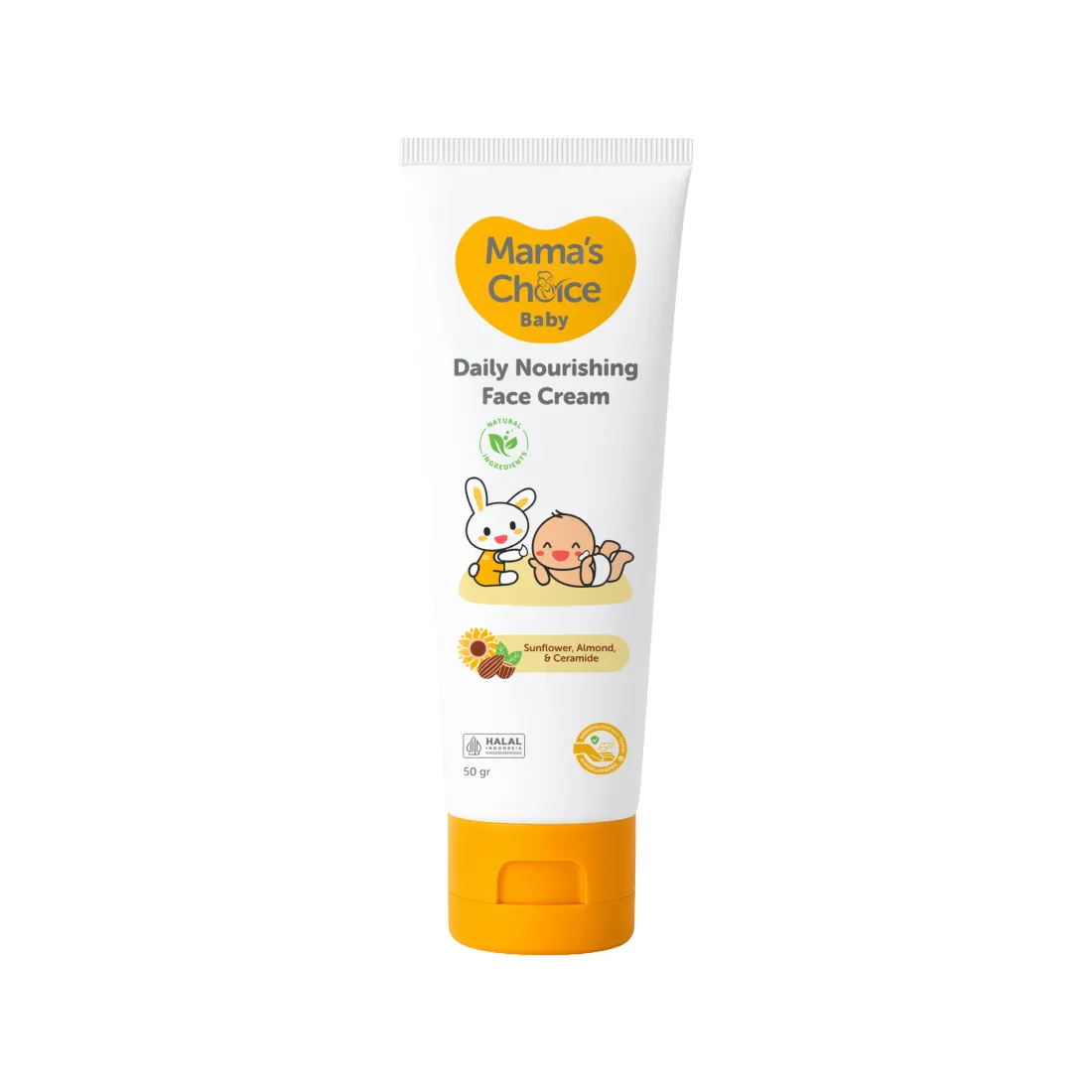
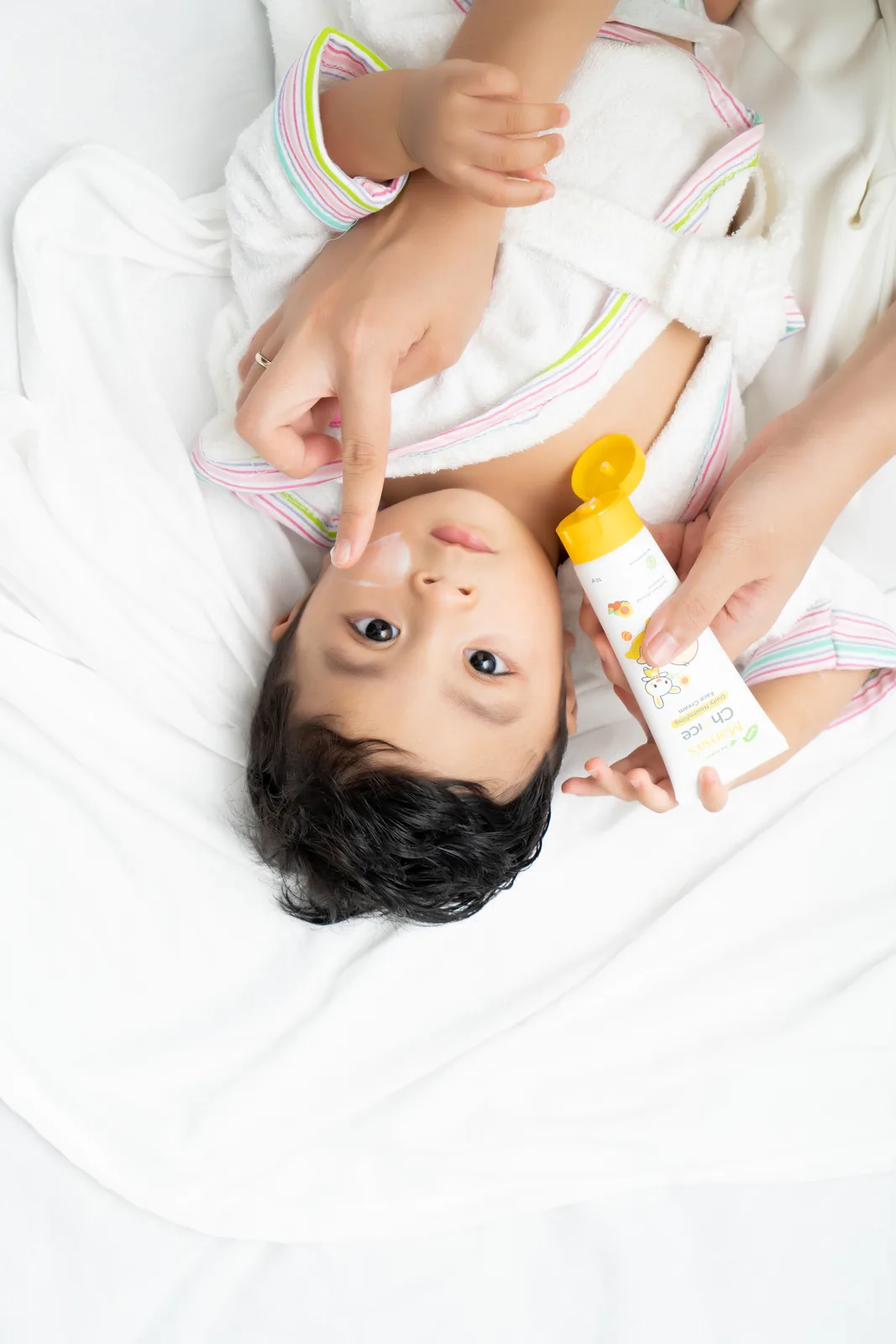
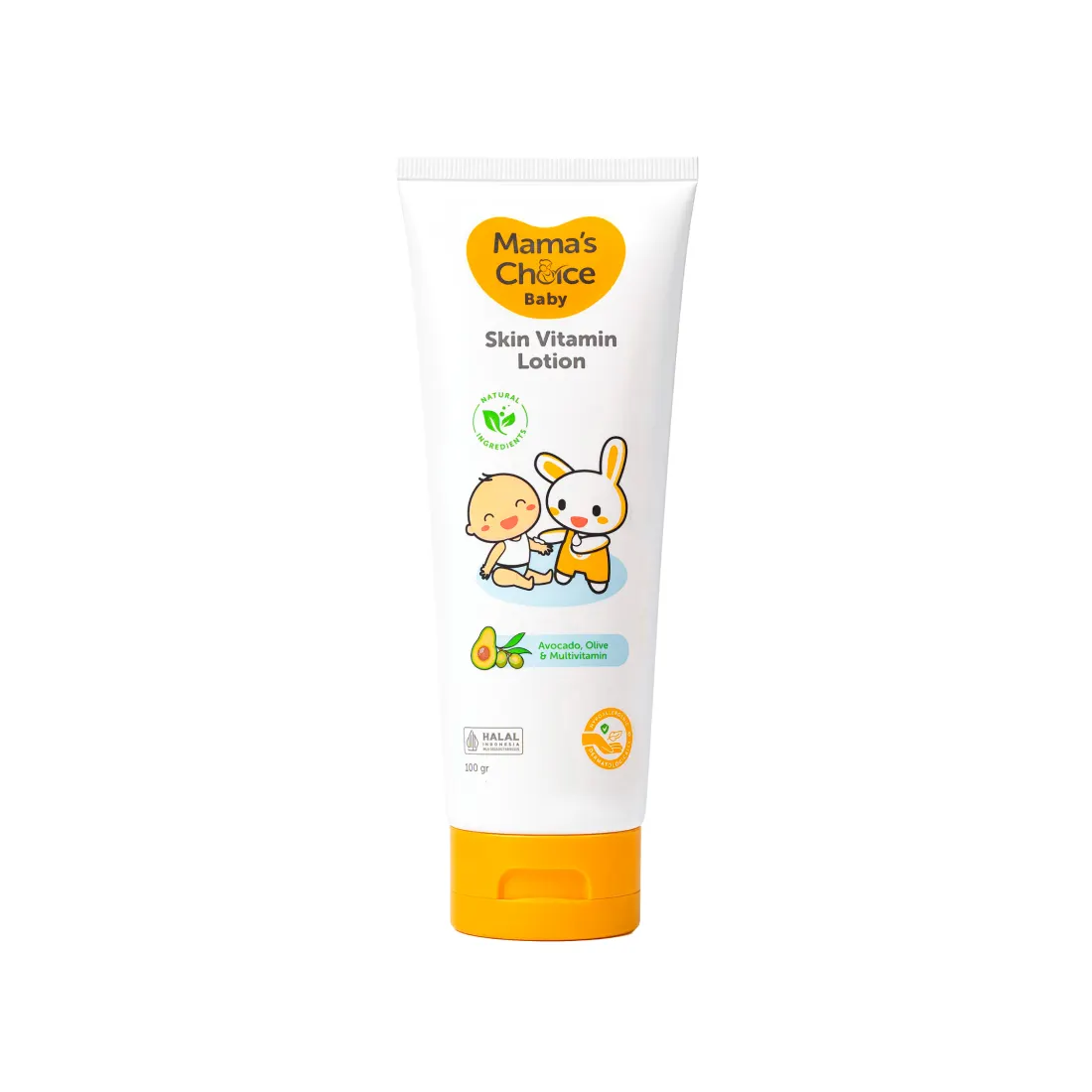
Plant oils are fine, and so are well-made synthetics. What matters is the ingredient at the concentration used, not whether it grew somewhere. Our Baby Daily Nourishing Face Cream is built on exactly that mix: sunflower seed oil and shea butter, Ecocert-certified organic aloe vera, and ceramide NP, in a cream that sinks in fast enough for a wriggly baby. In a 2022 use test with 30 mothers, 83% agreed it helped keep their baby's face moisturised and smooth. The lighter Baby Skin Vitamin Lotion does the arms and legs on a sticky afternoon, with avocado, olive and almond oils; in a 2022 use test, 29 of 29 mothers agreed it helped moisturise their baby's skin.
If you are avoiding fragrance altogether, note that the face cream carries a light natural scent (listed as aroma) and the lotion contains sweet orange peel oil. Both full ingredient lists are on the product pages.
| Texture | Water content | Best for | Trade-off |
|---|---|---|---|
| Lotion | Highest | Whole body in humid weather, after swimming | Wears off fastest |
| Cream | Medium | Face, daily use, mild dryness | Can feel heavy in midday heat |
| Ointment | Lowest | Cracked patches, eczema flares, overnight | Greasy, marks clothing |
The American Academy of Dermatology recommends creams and ointments over lotions for children whose skin is very dry, because lotions carry more water and less oil. Many parents end up with two tubs rather than one.
What should you leave on the shelf?
Fragrance is the first thing to drop, including the kind listed as parfum. According to the American Academy of Dermatology, fragrance-free products are the sensible default for a child with eczema, and a baby with no eczema loses nothing by using one.
Drying alcohols such as denatured alcohol belong in toner, not on a newborn. Fatty alcohols are a different family altogether and behave as emollients, which is why cetyl alcohol turns up in gentle formulas without drying anything out.
Essential oils smell lovely and sensitise easily. Steroid creams have their place, but on a doctor’s instruction rather than a parents’ chat group’s.
How can you tell a product was genuinely tested?
Hypoallergenic has no legal meaning. Any brand may print it.
What you can check is more boring and more useful. Cosmetic products sold in Singapore must be notified to the Health Sciences Authority before they go on sale, under the ASEAN Cosmetic Directive, and the company must hold safety data for the formula. Notification is a filing rather than a seal of approval, so read it as the floor instead of the ceiling.
Beyond that, look for a stated testing claim you could question: dermatologically tested, tested under paediatric supervision, patch tested on sensitive skin. A claim with no detail attached is decoration.
How often should you moisturise?
Daily, and once more after any bath or swim. The American Academy of Dermatology describes soaking and sealing, which means patting the skin almost dry then applying moisturiser within a few minutes while it still holds water.
Bathing less often helps more than you would expect. The American Academy of Pediatrics notes on HealthyChildren.org that newborns need a bath only a few times a week, with a wipe of the face, neck folds and diaper area in between. Daily long soaks in warm water strip the barrier you are trying to rebuild.
Keep a tube in the diaper bag. Aircon on the bus does the same thing to your baby’s cheeks as aircon at home, and a two-second smear at the right moment beats a thorough routine you only manage at night. For a flaking newborn, our guide to baby skin peeling goes through what is normal in the first fortnight.
When is it more than dry skin?
Dry skin responds to moisturiser within a week or two. Several things do not.
See a doctor if the skin weeps or bleeds, if yellow crusting appears, if your baby is feverish or unsettled, or if a rash spreads quickly. Polyclinics manage most infant skin complaints and can refer onward to the dermatology service at KK Women’s and Children’s Hospital or the National University Hospital when a flare needs more than emollients.
Some rashes are their own thing with their own treatment. Cradle cap, milia and diaper rash all look alarming and none of them is simple dryness, so it is worth learning which common baby rash you are looking at before you change products again.
Where do you buy it, and what should it cost?
Guardian, Watsons and Unity all carry baby ranges, and Unity outlets sit inside NTUC FairPrice stores, which makes them easy to combine with the weekly shop. Pharmacy staff can point you to the fragrance-free shelf.
Shopee, Lazada and TikTok Shop usually run lower prices on multi-packs, and a tub lasts a few months once you are using it daily. Buy the small size first.
Patch test before you commit. A smear on the inner forearm, left alone for a day, tells you more than any review thread, and it costs you nothing but the wait.
Frequently asked questions
- Does my baby need a moisturiser at all in Singapore’s humidity?
- Many babies do, because the dryness here usually comes from indoor air rather than the weather outside. If your baby’s skin looks matte, feels rough on the cheeks or shins, or flakes after a bath, a plain fragrance-free moisturiser applied daily is reasonable care. Skin that stays smooth on its own needs nothing.
- Is a lotion or a cream better for baby eczema?
- The American Academy of Dermatology suggests creams and ointments over lotions when skin is very dry, since lotions carry more water and less oil. In practice many Singapore parents use a cream on the face and limbs and keep a thicker ointment for the patches that crack.
- Does hypoallergenic on the box mean the product is safe for my baby?
- No. The word has no legal definition in Singapore or most other markets, so it describes the brand’s own testing rather than a standard. Cosmetics sold here must be notified to the Health Sciences Authority before sale, and notification is a filing rather than an endorsement.
- When should I take my baby to a doctor about dry skin?
- Go if the skin weeps, bleeds, looks infected, keeps your baby awake, or has not improved after a fortnight of daily moisturising. Polyclinics handle most of this, and your doctor can refer you on to the dermatology service at KK Women’s and Children’s Hospital or the National University Hospital.
Sources
- American Academy of Dermatology — Eczema in children: bathing and moisturising advice
- NHS — Atopic eczema: treatment with emollients
- HealthHub (Health Promotion Board) — Eczema in children and baby skin care
- AAP, HealthyChildren.org — Baby bathing basics
- Health Sciences Authority — Cosmetic product notification and the ASEAN Cosmetic Directive
Share this article
This article is for information only and is not a substitute for diagnosis or medical advice. Please talk to your doctor about your own situation.