What are the benefits of coconut oil on skin?
Coconut oil is a decent emollient, a useless sunscreen and not an eczema treatment. What it does on adult and baby skin, and where the claims run out.

A jar of it sits in most kitchens here, which is probably why it has been credited with fixing everything from diaper rash to wrinkles.
Coconut oil is a plant fat that works as an emollient, softening skin and slowing the water that escapes from it. On dry adult skin and on ordinary baby dryness it does that job well. It clogs pores on many faces, it offers no useful sun protection, and it is not a treatment for eczema or thrush.
What does coconut oil actually do on skin?
It softens and it seals. That is the mechanism, and it is a respectable one.
Coconut oil is mostly saturated fat, with a high proportion of medium-chain fatty acids, which is why it feels lighter than a butter despite being greasy. Spread on skin, it fills the gaps between surface cells so the skin feels smooth, and it forms a partial layer that slows evaporation. The American Academy of Dermatology builds its dry skin advice around exactly this, applying a moisturiser straight after washing while the skin still holds water.
Virgin coconut oil carries small amounts of other compounds, lauric acid among them, and lab work on those has generated most of the louder claims. Behaviour in a dish is a weak guide to behaviour on a living arm. Think of it as a good oil, nothing more.
Is coconut oil safe on a newborn?
For everyday dryness, yes, and it has a long history in this region as a massage oil for babies. The AAP advises on HealthyChildren that newborns need bathing only a few times a week, that plain and fragrance-free beats scented, and that moisturiser goes on when the skin is dry rather than by schedule.
Two cautions are worth keeping. A newborn’s barrier is thin and permeable, so less product and less friction is the rule. And no oil prevents eczema: Cochrane reviewed skin care interventions in infancy and found emollients did not stop eczema developing, which rules out one of the commonest reasons parents start oiling a baby in the first place.
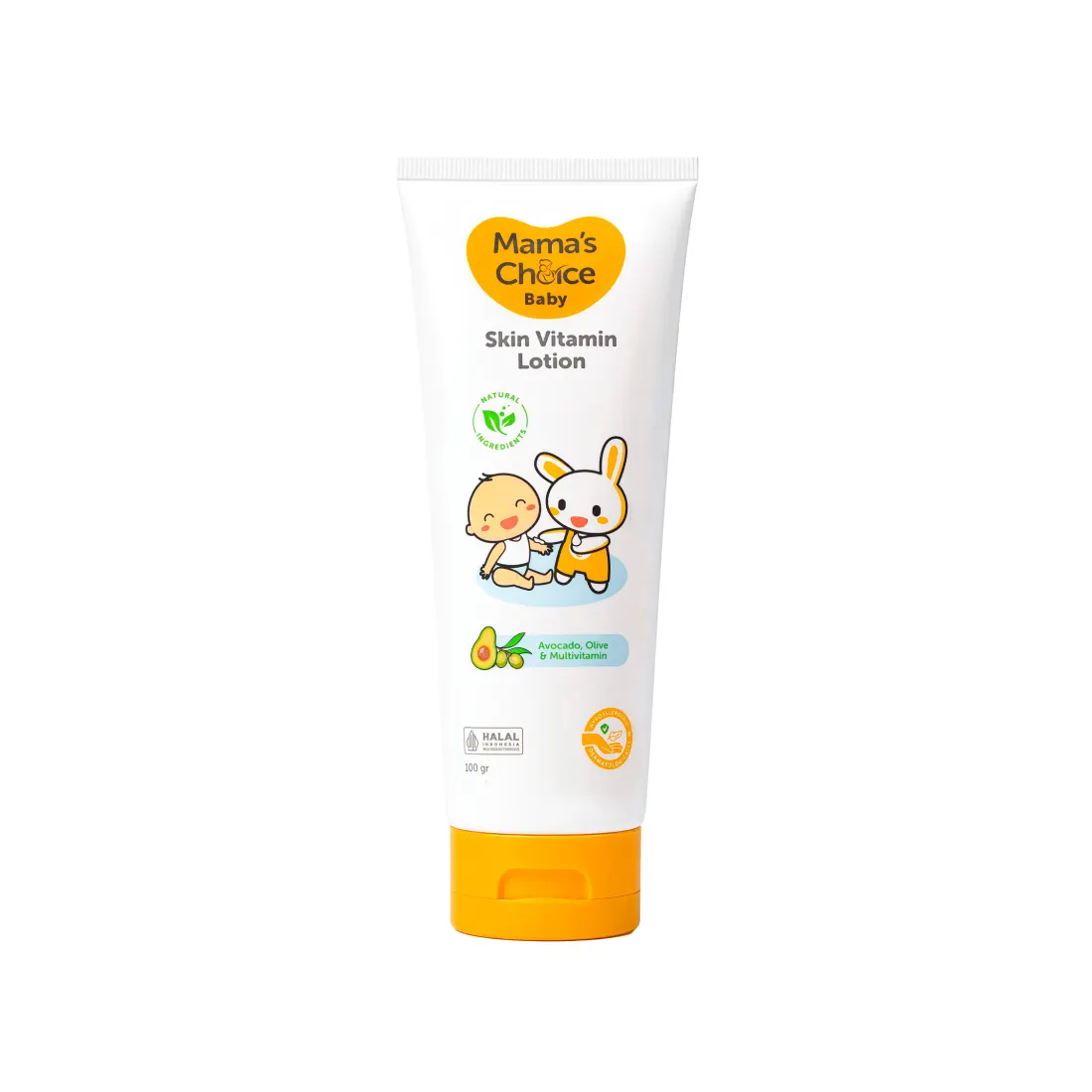
If you would rather use a lotion than an oil, our Baby Skin Vitamin Lotion gives you the same softening in a lighter texture, made with avocado and olive oils for dry baby skin from birth. In a 2022 consumer use test with 29 mothers, all 29 agreed it helped moisturise their baby's skin. For the flaking that newborns do in the first fortnight, our piece on baby skin peeling explains what is normal. The questions people ask us about olive oil on baby skin have much the same answers.
Does it protect you from the sun?
No, whatever you have read elsewhere. Coconut oil gives negligible protection against ultraviolet light, and any number you see quoted for its SPF is not a reason to skip sunscreen.
The American Academy of Dermatology recommends a broad-spectrum sunscreen of SPF 30 or higher, applied generously and reapplied every two hours outdoors or after swimming. Singapore sits almost on the equator, so the sun is near overhead at midday the whole year and there is no low-UV season to relax in. Oil on skin in that sun will make you hotter and shinier, with nothing gained.
Will it clog your pores?
On faces, frequently. Coconut oil is heavy and it lingers, and some people who try it as a cleanser or night oil end up with closed bumps along the jaw and forehead.
The American Academy of Dermatology’s advice for acne-prone skin is to choose products labelled non-comedogenic, which plain coconut oil is not. Below the neck it is a different story. Elbows, shins, heels and dry forearms take it well, and those are the places where its weight becomes an advantage. If you are weighing up body fats more broadly, the shea against cocoa butter comparison covers the same ground for a pregnant belly.
Does it treat eczema or thrush?
It treats neither, and this is the part worth being clear about.
Eczema care, as the American Academy of Dermatology sets it out, runs on frequent emollients plus the prescription creams a doctor gives when the skin flares. Coconut oil can serve as the emollient if your child tolerates it. It cannot replace the prescription, and delaying one while an inflamed patch spreads tends to cost more sleep in the end. HealthHub carries the local version of the same advice.
Thrush is a fungal infection and needs an antifungal. For oral thrush in a baby and nipple thrush in a mother, the NHS advises antifungal medicine from a doctor or pharmacist, usually for both together, since the infection passes back and forth during feeds. Oil on the nipple may feel soothing and will not clear a fungus.
Where does it fit in a Singapore bathroom?
The climate changes how the jar behaves before it changes anything about your skin. Coconut oil is liquid at room temperature here and sets into a white solid in an air-conditioned bedroom, so the same jar pours in the kitchen and has to be scooped upstairs.
Heat also turns it. An opened jar in a warm cupboard develops a sharp, crayon-like smell over the months, and oil that has gone off is an irritant rather than a moisturiser. Buy small jars. Cooking-grade virgin coconut oil from FairPrice or Sheng Siong is the same material as the version sold at a markup in a skincare aisle, while Guardian, Watsons and Unity are where the formulated lotions live.
One practical warning. Oil transfers onto bedsheets and cot linen, it goes rancid in the fabric, and the stains do not wash out easily at a normal temperature.
When should you see a doctor instead?
Dry skin usually improves within a week or two of regular moisturising. Skin that weeps, cracks, crusts yellow, spreads quickly or keeps a child awake is doing something else.
Polyclinics handle most of this and can refer onwards to the dermatology services at KK Women’s and Children’s Hospital or the National University Hospital. Bring the jar or tube with you. Knowing exactly what has been going on the skin for the past month saves the doctor a round of guessing, and it occasionally turns out to be the answer.
Frequently asked questions
- Does coconut oil work as a sunscreen?
- No. Any protection it offers is negligible and nowhere near what a sunscreen provides. The American Academy of Dermatology advises a broad-spectrum sunscreen of SPF 30 or higher, applied generously and reapplied every two hours outdoors, which matters here where the sun sits almost overhead all year.
- Can I use coconut oil on my baby’s skin?
- Plenty of families do, and plain coconut oil is a reasonable emollient for ordinary dryness. The AAP’s guidance on HealthyChildren is to keep newborn skin care simple, bathe only a few times a week, and skip fragranced products. Stop if the skin reddens, and see a doctor if a rash weeps or spreads.
- Will coconut oil clear up eczema?
- It is not a treatment for it. The American Academy of Dermatology recommends daily emollients for eczema, plus the prescription creams a doctor gives for flares, and Cochrane found that applying emollients to babies does not prevent eczema developing. Coconut oil can sit in the emollient slot and nothing more.
- Does coconut oil break you out?
- On faces, often. It is a heavy oil and the American Academy of Dermatology advises acne-prone skin to use products labelled non-comedogenic. Body skin is far more forgiving. If you want coconut oil on your face, test it on a small patch along the jaw for a week before committing.
Sources
- American Academy of Dermatology — Dry skin: how dermatologists treat it, and moisturiser advice
- American Academy of Dermatology — Sunscreen FAQs, broad spectrum SPF 30 and above
- AAP, HealthyChildren.org — Baby skin care and bathing basics
- Cochrane — Skin care interventions in infants for preventing eczema and food allergy
- NHS — Oral thrush and nipple thrush treatment
- HealthHub (Health Promotion Board) — Eczema and skin care
Share this article
This article is for information only and is not a substitute for diagnosis or medical advice. Please talk to your doctor about your own situation.