
How to Choose a Safe Mouthwash During Pregnancy
Whether you need mouthwash while pregnant, which ingredients to check, when to use it so it still works, and what gums need instead.
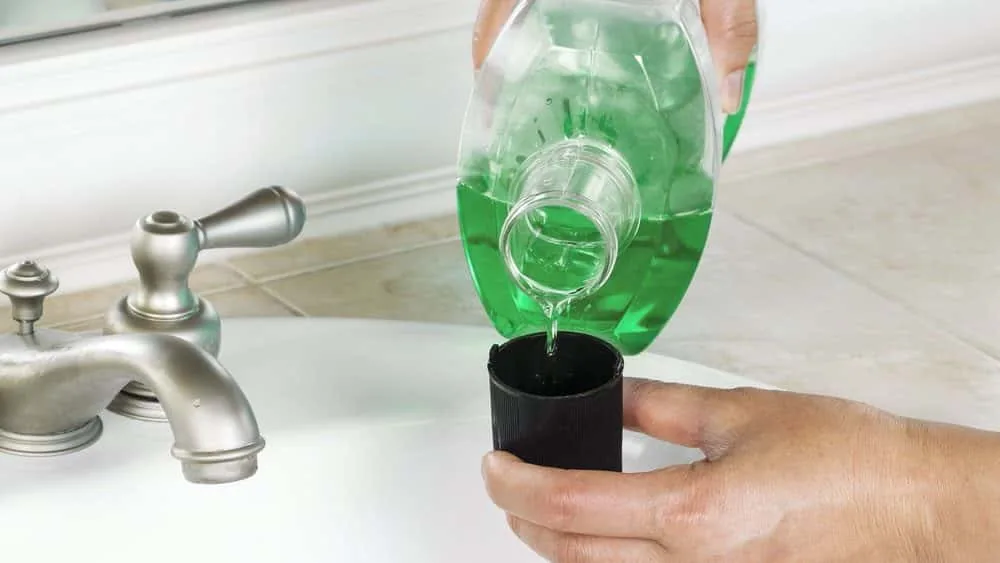
Mouthwash is optional in pregnancy rather than essential. If you want one, pick alcohol-free, use it at a different time of day from brushing, and never swallow it. What actually reduces the bleeding gums that bring most Mamas to this question is flossing and a dental appointment.
Rinsing is the easy part of oral care, which is why it gets more attention than the parts that work.
Do you need it at all?
ACOG supports keeping up routine oral care through pregnancy, and the core of that is brushing twice a day and cleaning between the teeth. Mouthwash sits outside the core.
Where it genuinely helps:
- Freshening a mouth that tastes metallic, which many Mamas get in the first trimester
- Rinsing after vomiting, when brushing has to wait
- Dry mouth, which worsens with nasal congestion and mouth breathing
- A short prescribed course for gum disease, on a dentist's instruction
Where it does nothing useful: as a substitute for brushing, or as a treatment for bleeding gums on its own.
When to use it, which matters more than which
The NHS is specific about this and most people get it wrong. Using mouthwash straight after brushing rinses the fluoride from your toothpaste off your teeth before it can act.
So brush, spit, and leave it. Use a rinse at a separate time, after lunch for instance, if you want one at all.
The same logic applies to rinsing with water after brushing, which is also worth stopping.
What to check on the bottle
Alcohol. Swishing and spitting an alcohol-containing rinse is not a recognised pregnancy risk, and the practical objections stand anyway. It stings, it dries the mouth, and in the first trimester the smell alone can finish you. Alcohol-free is the sensible default.
Triclosan. Still appears in some oral products, restricted rather than banned in this region. The FDA removed it from consumer antibacterial washes in 2016 for want of demonstrated benefit, and there is no reason to seek it out. Our page on triclosan goes through the evidence.
Chlorhexidine. A genuine treatment, not a daily rinse. It controls bacteria in gum disease, stains teeth with extended use, and interacts with toothpaste if used at the same time. Dentist first.
Fluoride. A fluoride rinse can be useful if a dentist has recommended one, and is redundant for most people who brush with fluoride toothpaste. Singapore's water supply is fluoridated as well, which adds a small amount again.
Strong flavouring and high intensity. Pregnancy sharpens taste and smell. A milder rinse gets used, a fierce one gets abandoned.
Where you bought it. The Health Sciences Authority regulates oral care products sold here, and a pharmacy shelf at Guardian, Watsons or Unity is a traceable supply chain. An unlabelled rinse from an overseas seller is not.
Why your gums bleed, and what fixes it
Pregnancy increases blood flow to the gums and changes how they respond to plaque. The same plaque that caused nothing before now causes swelling, tenderness and bleeding when you brush. HealthHub describes this as pregnancy gingivitis and it is very common.
The instinct is to brush less because it bleeds. That makes it worse, because the plaque that caused it stays.
What works:
- Keep brushing, gently, with a soft brush, twice a day.
- Clean between the teeth daily, with floss or an interdental brush. This is where the plaque causing the bleeding sits.
- Get a scaling and polish during the pregnancy. The second trimester is the most comfortable window.
- Rinse with warm salt water if your gums are sore, which costs nothing.
- Cut the frequency of sweet snacks rather than the quantity, since it is how often acid hits the teeth that matters.
A lump on the gum that bleeds easily, sometimes called a pregnancy tumour, is benign and usually settles after the birth. Have it looked at rather than diagnosed from a photograph.
Rinsing after morning sickness
Do not brush straight after vomiting. Stomach acid softens enamel, and brushing then scrubs the softened surface away.
Rinse with plain water, or stir a teaspoon of baking soda into a cup of water and rinse with that to neutralise the acid. An alcohol-free mouthwash works too if the taste is what you cannot stand. Wait about an hour before brushing.
Repeated vomiting over weeks does real damage to enamel, so mention it to your dentist rather than treating it as something to endure. Our page on toothaches during pregnancy covers what to do once sensitivity has set in.
Dry mouth, which is worse here than you expect
Nasal congestion is common in pregnancy, and a blocked nose means mouth breathing all night. Add an air-conditioner pulling moisture out of the bedroom and you wake with a mouth like paper.
Saliva is what buffers acid and clears debris, so less of it means more decay risk. Sip water through the night, set the air-conditioner a degree warmer, and keep a glass by the bed. Sugar-free gum after meals stimulates saliva, which is one of the few genuinely useful pieces of dental advice nobody follows.
If you are fasting during Ramadan, the same problem runs through the whole day. Brushing before dawn and again after breaking the fast matters more than any rinse, and our page on miswak covers using a stick during daylight hours.
Getting seen
Dental care in pregnancy is safe, and ACOG is explicit that it should not be postponed. Tell the clinic how many weeks you are, and ask to be positioned on your side in later pregnancy if lying flat is uncomfortable.
Polyclinic dental services and private clinics both take pregnant patients, and subsidies apply at participating clinics for Community Health Assist Scheme cardholders. Book an appointment in the middle trimester, and your dentist will tell you whether you need another before the birth. What to brush with in the meantime is covered in pregnancy-safe toothpaste, and the wider ingredient questions in harmful chemicals in pregnancy and breastfeeding.
Frequently asked questions
- Is mouthwash safe while pregnant?
- Rinsing and spitting is not a recognised risk in pregnancy, and ACOG supports routine oral care rather than pausing it. Choose alcohol-free if swishing makes you nauseous, and never swallow it.
- When should I use mouthwash?
- Not straight after brushing. The NHS advises using it at a different time of day, because rinsing immediately washes the fluoride from your toothpaste off your teeth before it has done anything.
- Will mouthwash stop my gums bleeding?
- Not on its own. Bleeding gums in pregnancy come from plaque between the teeth, which a rinse cannot reach. Flossing or an interdental brush usually reduces the bleeding within a couple of weeks, and a scaling appointment can help sooner.
- Can I use a chlorhexidine mouthwash?
- Only on a dentist's instruction and for a short course. It is a treatment for gum disease rather than a daily rinse, it stains teeth with prolonged use, and it should not be used at the same time as toothpaste.
- What helps the metallic taste?
- A gentle rinse helps briefly. So does sipping water with a slice of lemon, brushing your tongue when you can bear it, and avoiding strongly flavoured products that make the taste worse by contrast.
Sources
Share this article
This article is for information only and is not a substitute for diagnosis or medical advice. Please talk to your doctor about your own situation.