What Does the Evidence Say About Miswak Toothpaste?
What miswak is, what research actually supports, how it compares with fluoride, and why Mamas in Singapore reach for it during pregnancy.
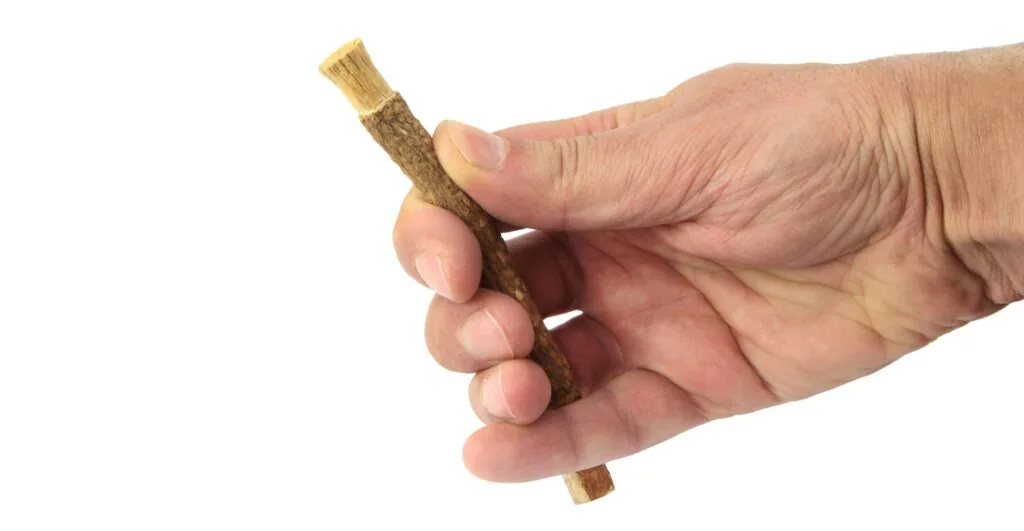
Miswak is a chewing stick from the Salvadora persica tree, used for oral hygiene for centuries and now included as an extract in some toothpastes. Laboratory studies report antibacterial activity in the plant. What does not exist is evidence that it prevents tooth decay the way fluoride does, and that comparison matters more than the heritage.
We put miswak in our own toothpaste, so this page is written with that conflict of interest in plain view.
What miswak actually is
The arak tree, also called the toothbrush tree, grows across arid parts of Africa, the Middle East and South Asia. A short length of its root or twig is chewed at one end until the fibres separate into bristles, and those bristles are used to clean the teeth.
The practice is thousands of years old and remains everyday in many countries. In Singapore you can buy sticks at shops around Geylang Serai and in Muslim bookshops, usually vacuum-sealed and sold a few to a pack.
As a toothpaste ingredient, miswak appears as an extract of the same plant rather than as fibre. The mechanical cleaning then comes from your brush.
What the research actually supports
Laboratory work on Salvadora persica extracts has reported activity against oral bacteria, and the plant contains compounds that would plausibly do that, including benzyl isothiocyanate and various tannins.
Clinical evidence is where it thins out. Trials comparing miswak with conventional brushing exist, and they are mostly small, short and conducted in a handful of settings. Nothing in that body of work approaches the weight behind fluoride, where Cochrane reviews across many thousands of participants show a clear reduction in decay.
So the claim we will stand behind is modest. Miswak is a reasonable, long-used cleaning aid with some antibacterial plausibility. Claims that it whitens, strengthens enamel or replaces dentistry go well past what anybody has shown.
The WHO oral health position is unchanged by any of this. Brushing twice daily with fluoride toothpaste, reducing free sugars and regular dental checks are what prevent disease at a population level.
Where it sits against fluoride
| Miswak | Fluoride toothpaste | |
|---|---|---|
| Removes plaque mechanically | Yes, if used properly | Yes, with a brush |
| Antibacterial activity | Reported in laboratory work | Some, from other ingredients |
| Strengthens enamel against acid | No evidence | Well established |
| Reduces tooth decay in trials | Not demonstrated at scale | Demonstrated repeatedly |
| Freshens breath | Yes | Yes |
| Costs almost nothing | Yes | Nearly |
That table is the whole argument. If decay prevention is your priority, fluoride is the ingredient with the evidence, and Singapore's fluoridated water supply adds to it on top.
Why Mamas here choose it anyway
Several reasons hold up, and none of them require fluoride to be dangerous.
Nausea. Your usual paste can set off the gag reflex in the first trimester, and if you cannot face your toothpaste you stop brushing. Any paste you can tolerate twice a day beats a better one that does not get used.
Swallowing. A toddler who has not learned to spit will swallow some of whatever is on the brush, which is why the amount matters. Most dental bodies, the NHS among them, still advise a rice-grain smear of fluoride toothpaste from the first tooth, and some parents prefer a fluoride-free paste instead. Both sides are set out in choosing a toothpaste for a child.
Preference and practice. For a lot of households here, miswak is familiar, and using it is part of a daily routine with meaning beyond dentistry. That is a legitimate reason on its own.
Simpler formulas. Some Mamas want fewer ingredients during pregnancy and breastfeeding. Also legitimate, and it does not need to be dressed up as a safety claim.
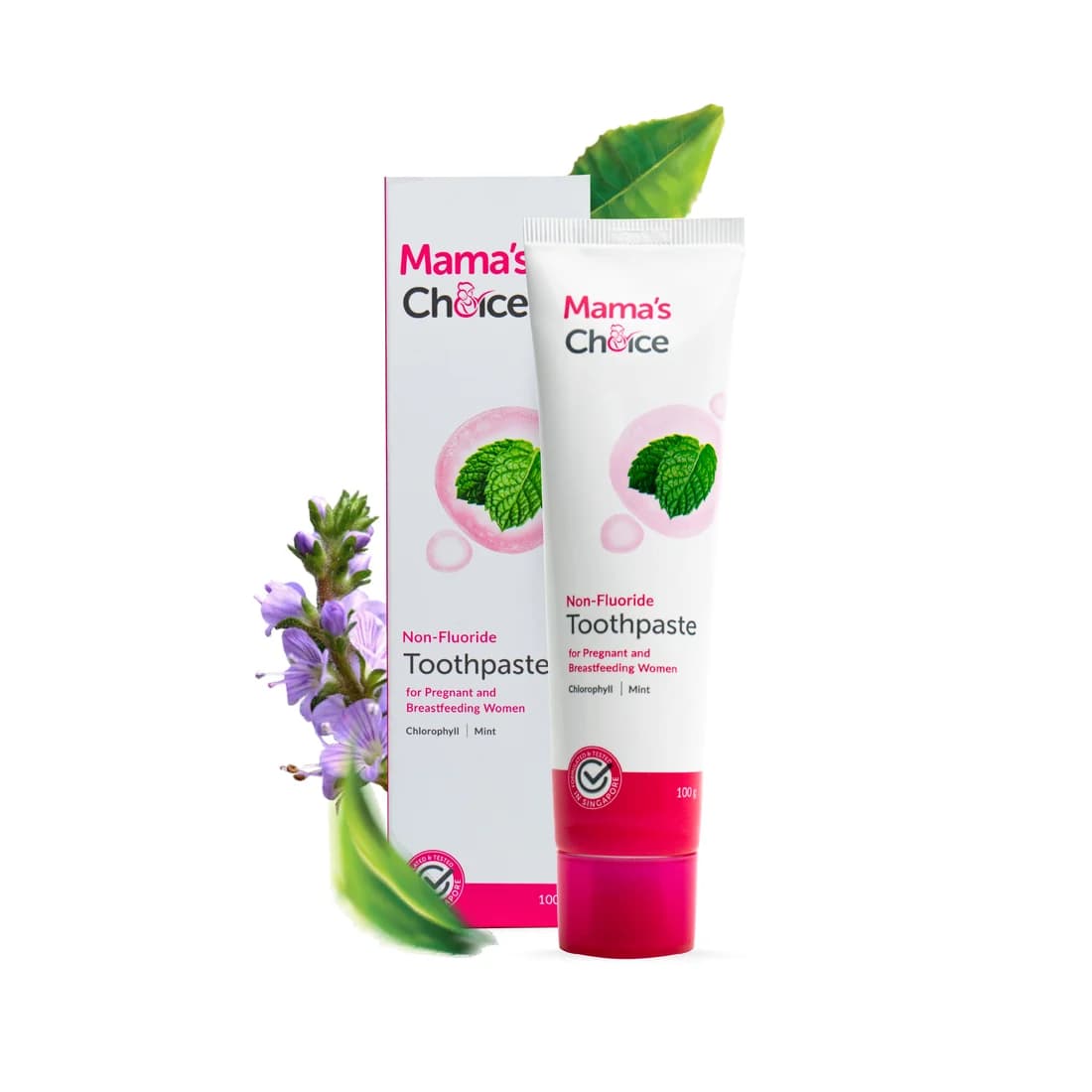
Our Non-Fluoride Toothpaste uses miswak extract alongside peppermint, chlorophyllin and allantoin, made without fluoride or SLS. It is an adult paste formulated with pregnancy and breastfeeding in mind, and its mint can taste sharp to a young child, which is why we make a separate toothpaste for babies and children.
Using a miswak stick properly
If you want to use the stick rather than a paste:
- Trim or peel about a centimetre of bark from one end.
- Chew that end until the fibres separate into soft bristles.
- Brush with short strokes, following the same pattern you would with a brush, and work along the gum line rather than scrubbing across it.
- Rinse the stick, store it dry, and trim the used end away after a couple of days.
- Cut back to fresh wood when the bristles soften or discolour.
A stick kept damp in a humid bathroom grows things. In Singapore that happens faster than the advice from drier climates assumes, so dry storage matters more here.
Oral care while fasting
Dry mouth is the real problem during a day of fasting, because saliva is what buffers acid and clears food debris. Less saliva means more acid sitting on enamel for longer.
What helps:
- Brush thoroughly before dawn and again after breaking the fast
- Drink enough water between iftar and suhoor, which is harder in this heat than it sounds
- Break the fast with water and dates rather than something sweet and sticky
- Use a miswak stick during the day if you prefer not to brush, taking care to swallow nothing
- Keep the dental appointment rather than postponing it through the month
When a conventional paste is the better call
Any history of decay or fillings. White spots a dentist has flagged. A child old enough to spit reliably. Gum disease under treatment.
In those situations the protection fluoride gives is the point, and swapping it out for a plant extract is a downgrade. Our pages on pregnancy-safe toothpaste and the fluoride debate set out how to decide, and safe mouthwash during pregnancy covers the rinse you might add alongside.
Getting checked
ACOG is clear that dental care during pregnancy is safe and should not be put off, and bleeding gums in the second trimester are common enough that many Mamas meet them. Polyclinic dental services and private clinics both see pregnant patients, and subsidies apply at participating clinics under the Community Health Assist Scheme.
Take the stick or the tube with you and ask the dentist what they think of it for your mouth specifically. A ten-minute answer from someone looking at your teeth is worth more than any general article, this one included. If pain has already started, toothaches during pregnancy is the page to read tonight.
Frequently asked questions
- Is miswak as good as fluoride toothpaste?
- No. Cochrane reviews of fluoride toothpaste show a clear reduction in tooth decay, and nothing comparable exists for miswak. Laboratory work suggests the plant has antibacterial activity, which is a different and much smaller claim.
- What is miswak made from?
- The root or twig of Salvadora persica, the arak or toothbrush tree, used as a chewing stick across parts of the Middle East, Africa and South Asia for centuries. In toothpaste it appears as an extract rather than as fibre.
- Can I use miswak while pregnant?
- Yes. Miswak extract turns up in toothpastes made with pregnancy in mind, ours included. Whether a fluoride-free paste is right for you is a question for your dentist, particularly if you have had fillings.
- Does miswak replace a toothbrush?
- A miswak stick can clean teeth mechanically if used correctly, and most people use it alongside a brush rather than instead of one. Toothpaste containing miswak extract is used exactly like any other toothpaste.
- Can I brush while fasting?
- Brushing itself is widely accepted as long as nothing is swallowed, and many people use a miswak stick during the day for that reason. Dry mouth is the bigger oral health issue during fasting, so brushing before dawn and after breaking the fast both matter.
Sources
Share this article
This article is for information only and is not a substitute for diagnosis or medical advice. Please talk to your doctor about your own situation.