What to do about toothache during pregnancy
Why gums bleed and teeth ache while you are expecting, which dental treatment is safe, and what a check-up costs in Singapore before confinement starts.
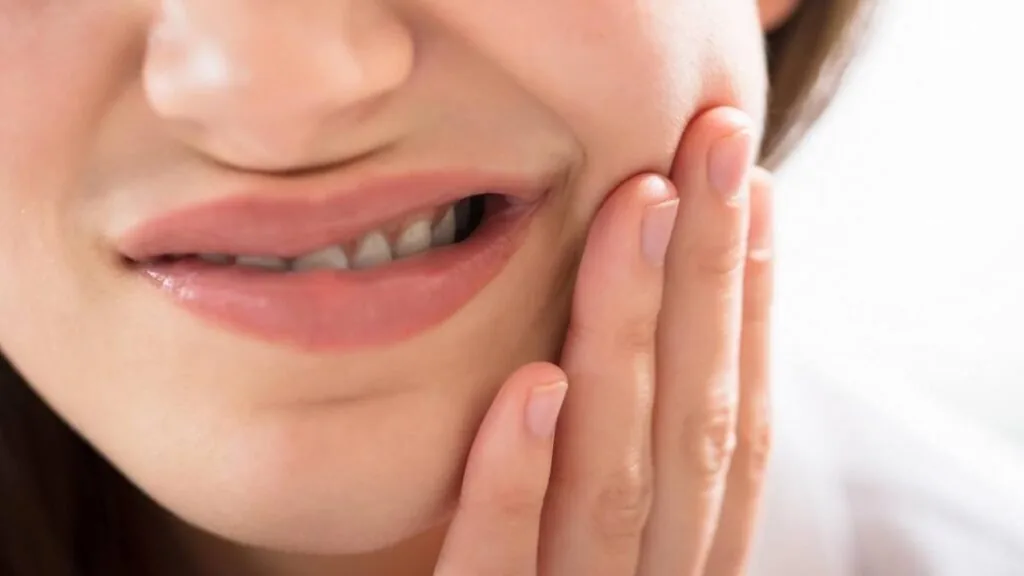
A tooth that was quiet for years can start aching in the second trimester, and the first instinct is usually to wait it out until after the birth. That is the wrong way round.
Pregnancy hormones make gums inflame more easily, and morning sickness coats the enamel in acid. Dental treatment is safe while you are expecting, including cleaning, fillings, local anaesthetic and an X-ray where one is needed. Get it seen rather than waiting, because toothache usually has a cause that needs fixing.
Why do teeth and gums hurt more in pregnancy?
Several things change at once, and they stack.
Rising oestrogen and progesterone increase blood flow to the gums and change how the tissue reacts to plaque, so a deposit that your gums once tolerated now provokes swelling and bleeding. Saliva can become more acidic, which gives plaque a friendlier surface to form on. Vomiting adds stomach acid directly to the enamel. And the brushing itself often slips, because a toothbrush at the back of the mouth is the last thing you want when nausea is at its worst.
Snacking patterns shift too. Eating little and often, which is the standard advice for keeping nausea at bay, means the teeth meet food far more frequently through the day. Each of those contacts drops the pH in the mouth for a while.
One old explanation can be set aside. Your baby does not draw calcium out of your teeth, because enamel is not a store the body can withdraw from, and a tooth that aches in pregnancy aches for one of the reasons above. Your calcium intake still matters for your bones, and calcium deficiency in pregnancy sets out what to watch for.
If nausea is the thing driving all of this, our notes on pregnancy nausea remedies cover what actually helps.
What does pregnancy gingivitis look like?
Gums that are red rather than pink, puffy at the margins, tender to brush and bleeding when you do. It tends to show up from the second month and peak in the third trimester, and the front teeth usually complain first.
Some women also grow a pregnancy granuloma, a soft red lump on the gum between two teeth. It looks alarming. It is benign, it usually shrinks after delivery, and a dentist can remove it if it keeps getting caught when you eat.
On the bigger worry: according to the American College of Obstetricians and Gynecologists, gum disease during pregnancy has been linked in observational studies to preterm birth and low birth weight, while trials of treating it have not shown that the treatment changes those outcomes. Have your gums looked after because inflamed gums are sore and, left alone, can progress to gum disease that damages the bone holding the teeth. Leave the stronger claims alone.
Is dental treatment safe while you are pregnant?
Yes, and ACOG is explicit that necessary treatment should not be deferred to after the birth. Scaling, fillings, root canal treatment and extractions can all be done while you are expecting.
Local anaesthetic is fine. Lidocaine with adrenaline is the usual choice and is used routinely in pregnancy, which means you do not have to sit through a filling unnumbed to protect your baby. Tell the dentist your dates, your obstetrician’s name and anything you are taking, including iron and any blood thinner.
The second trimester is the most comfortable window for a long appointment, mostly because the nausea has usually eased and lying back is still bearable. Later on, lying flat can make you light-headed as the uterus presses on the big vein returning blood to your heart, so ask to be tilted onto your left side with a cushion under your right hip. Short appointments beat heroic ones.
Are X-rays and local anaesthetic allowed?
An X-ray is allowed when the dentist needs one to see what they are treating. ACOG regards dental radiographs as safe in pregnancy with abdominal and thyroid shielding, and the beam is pointed at your jaw rather than your abdomen.
Antibiotics are a different conversation but a manageable one. Penicillins and some others are used in pregnancy; tetracyclines are avoided because they stain developing teeth. For pain, paracetamol is the usual first choice. Ibuprofen and similar painkillers are generally avoided, particularly from around 20 weeks, unless your doctor advises otherwise, so ask rather than reaching for whatever is in the drawer. Nothing in a pharmacy aisle fixes an abscess.
What does morning sickness do to enamel?
Stomach acid is strong enough to soften the surface of a tooth within minutes, and repeated vomiting thins the enamel on the inner faces of the upper front teeth where the acid collects. Once that layer goes, it does not grow back.
Rinse with plain water straight afterwards, or with a glass of water with half a teaspoon of bicarbonate of soda stirred through it, to neutralise what is left. Then wait. Brushing softened enamel scrubs it off, so give it at least half an hour, and ideally an hour, before you brush.
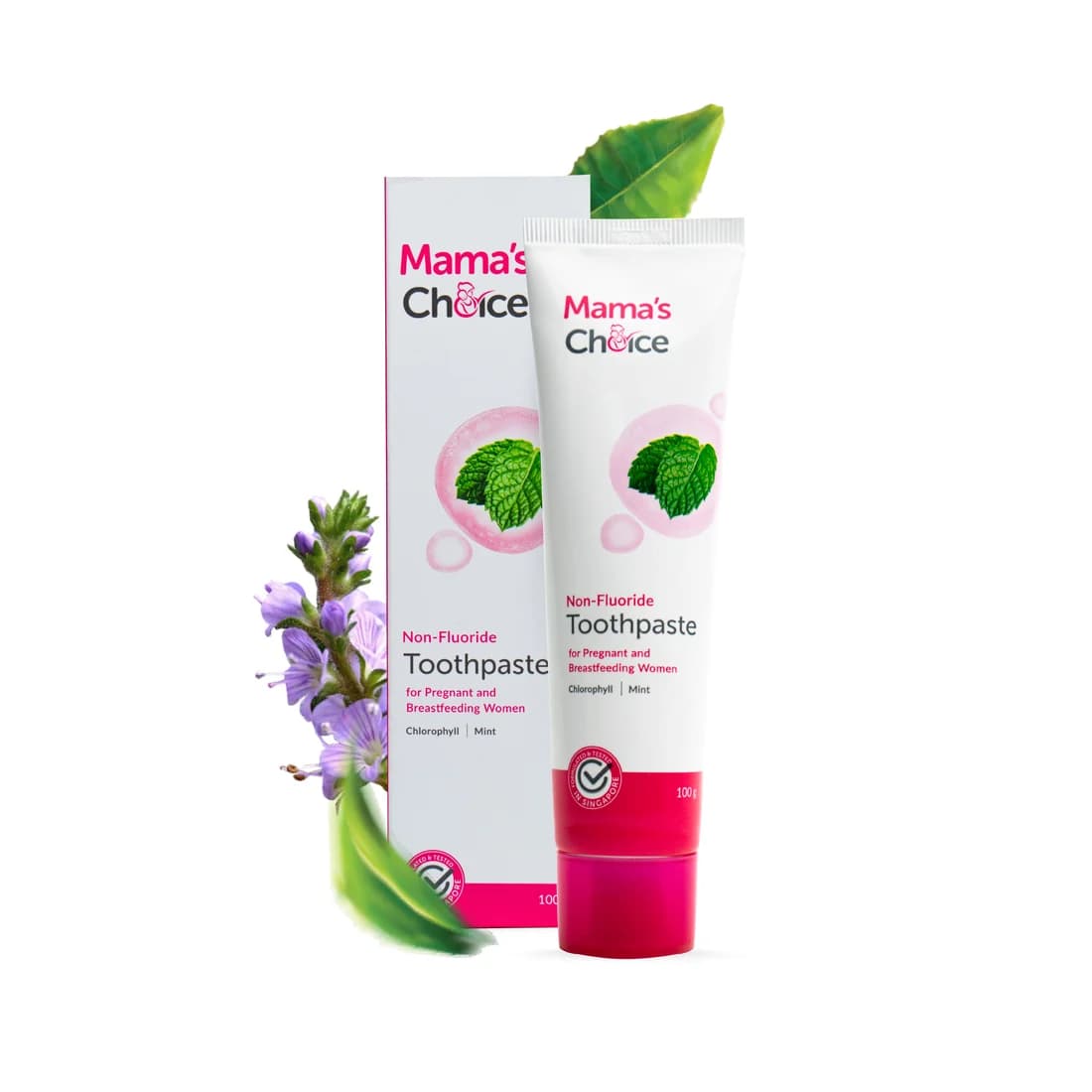
If the smell or taste of your usual paste sets off the gagging, switch rather than skip. Some mothers find a different flavour, a smaller amount or a children's-size brush easier. Our Non-Fluoride Toothpaste was made for exactly this stretch: a light mint paste without fluoride or SLS, which 93% of 62 mothers in a 2022 satisfaction survey said they could use comfortably with no nausea. Brushing twice with something you can tolerate beats brushing once with something you dread. Fluoride itself is safe and useful in pregnancy, as our piece on fluoride sets out, so if you can manage a fluoride paste it gives your teeth more protection against decay. The rest of the label is worth a read as well, and choosing a toothpaste in pregnancy goes through it ingredient by ingredient.
What helps at home before the appointment?
A warm saltwater rinse, made with half a teaspoon of salt in a cup of warm water, eases a sore gum and costs nothing. Swish and spit, do not swallow it.
A cold compress against the cheek for ten minutes at a time dulls the ache from a swollen gum. Keep sugary and very cold foods away from the tooth that hurts. Floss carefully around it, because a trapped fragment of food is a common and easily fixed cause.
Skip the folk remedies that involve putting things inside the tooth. Clove oil packed into a cavity can irritate and burn the gum, and aspirin held against a tooth causes a chemical burn on the cheek. None of it fixes the cause.
What will dental care cost in Singapore?
More than many mothers expect, because this is the part health financing here largely leaves alone. MediSave covers only certain surgical dental procedures under the Ministry of Health’s rules, so a wisdom tooth operation may be claimable while a filling, a scaling or a simple extraction comes out of your own pocket.
Polyclinic dental clinics charge subsidised rates for Singaporeans and permanent residents and are the cheapest route for routine work, though waiting times for an appointment can run to weeks. Community and private clinics are quicker and dearer. CHAS cardholders get subsidies at participating private dental clinics, which is worth checking before you book.
Budget for it the way you budget for the stroller. If you are in the third trimester, get the appointment done before the confinement month starts, because a newborn and a month largely indoors will close your diary completely, and a cracked filling at week two of confinement is a miserable thing to arrange around.
When should you be seen straight away?
Swelling of the face or jaw, a fever alongside tooth pain, a bad taste of pus, difficulty opening your mouth or swallowing. Any of those suggests an infection spreading beyond the tooth, and it needs same-day attention rather than a routine slot.
Go to a dental clinic if one is open, or to a GP or the emergency department if it is the middle of the night. An abscess in pregnancy is dealt with urgently and in the usual way, with drainage and antibiotics chosen to suit you.
Book your next check-up before you leave the clinic, and ask for the appointment to land in your second trimester if you are early on. Clinics fill up, and a date already in the calendar survives morning sickness better than a good intention does.
Frequently asked questions
- Is it safe to see a dentist while pregnant?
- Yes. The American College of Obstetricians and Gynecologists states that dental care, including cleaning, fillings and extractions, is safe throughout pregnancy and that needed treatment should not be postponed. Tell the clinic how many weeks you are and name any medication you are taking so they can plan around it.
- Can I have a dental X-ray while pregnant?
- Yes, when it is needed. ACOG regards dental X-rays as safe during pregnancy, with a lead apron over the abdomen and a thyroid collar. The radiation dose from a single dental film is very small and aimed at your jaw, and a dentist working blind on an abscess is the greater risk.
- Why do my gums bleed when I brush now?
- Hormonal changes make gum tissue respond far more strongly to plaque, so the same brushing that was fine before pregnancy now leaves blood on the brush. This is pregnancy gingivitis and it is common. Keep brushing gently rather than avoiding the area, and book a scaling.
- Should I brush straight after vomiting?
- No. Stomach acid softens enamel, and brushing immediately scrubs the softened surface away. Rinse your mouth with plain water, or water with a little bicarbonate of soda stirred in, then wait at least half an hour, and ideally an hour, before brushing.
- Does MediSave cover dental treatment?
- Only certain surgical dental procedures. Under the Ministry of Health’s rules MediSave can be used for approved surgery such as a wisdom tooth removal, while routine fillings, scaling and simple extractions are paid out of pocket. Polyclinic dental clinics charge subsidised rates for Singaporeans and permanent residents.
Sources
- ACOG — Oral health care during pregnancy and through the lifespan
- NHS — Dental health and looking after your teeth in pregnancy
- NHS — Tooth erosion and vomiting: rinse rather than brush
- HealthHub (Health Promotion Board) — Oral health during pregnancy
- Ministry of Health — MediSave claimable dental procedures
- KK Women's and Children's Hospital — Dental care in pregnancy
Share this article
This article is for information only and is not a substitute for diagnosis or medical advice. Please talk to your doctor about your own situation.