What does centella asiatica do for a baby's skin?
What centella asiatica is, what the evidence on it shows, and what the NHS says clears a diaper rash in a humid climate like Singapore's.
Centella asiatica is a soothing botanical with a long history in Southeast Asian medicine and good tolerance on sensitive skin. It is a sensible ingredient in a cream for the diaper area, though no health body endorses it as a rash treatment. What clears a diaper rash is frequent changes, dry skin and a barrier cream, and the NHS sets out that routine clearly.
What is centella asiatica?
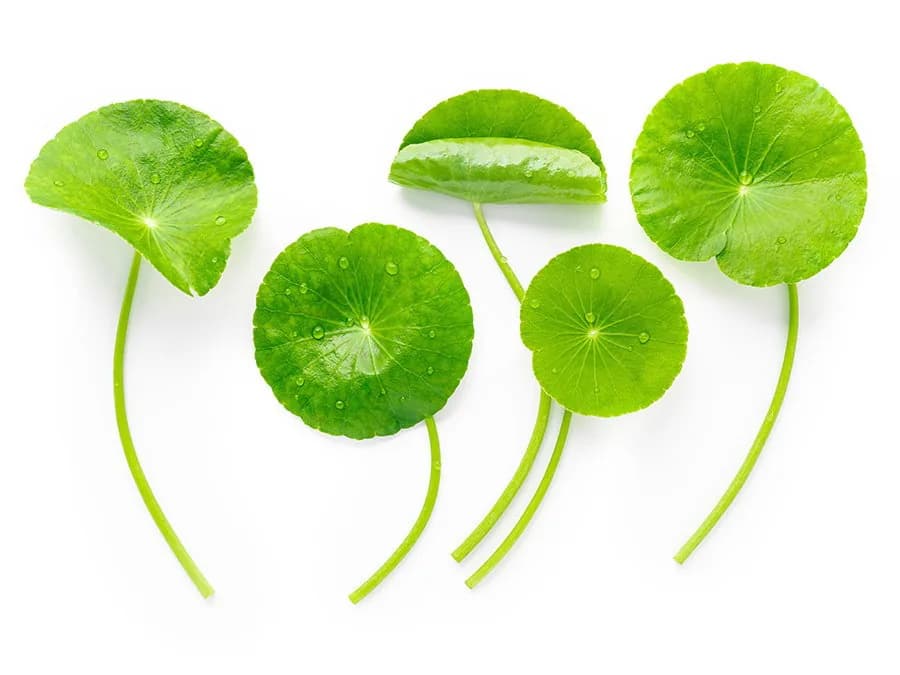
A low, fan-leaved herb that grows in wet ground across South and Southeast Asia. Singaporeans may know it as pegaga, sold in markets as a leaf and as a bitter drink. Elsewhere it goes by gotu kola.
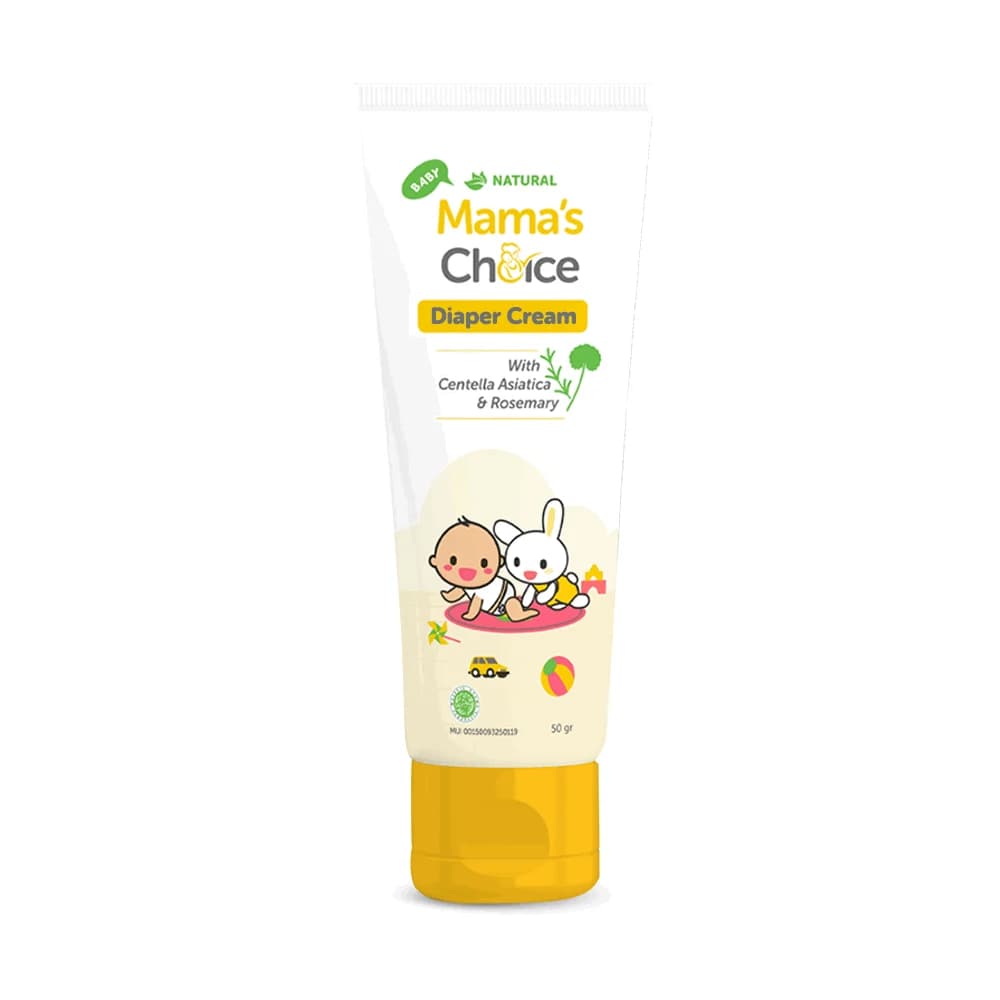
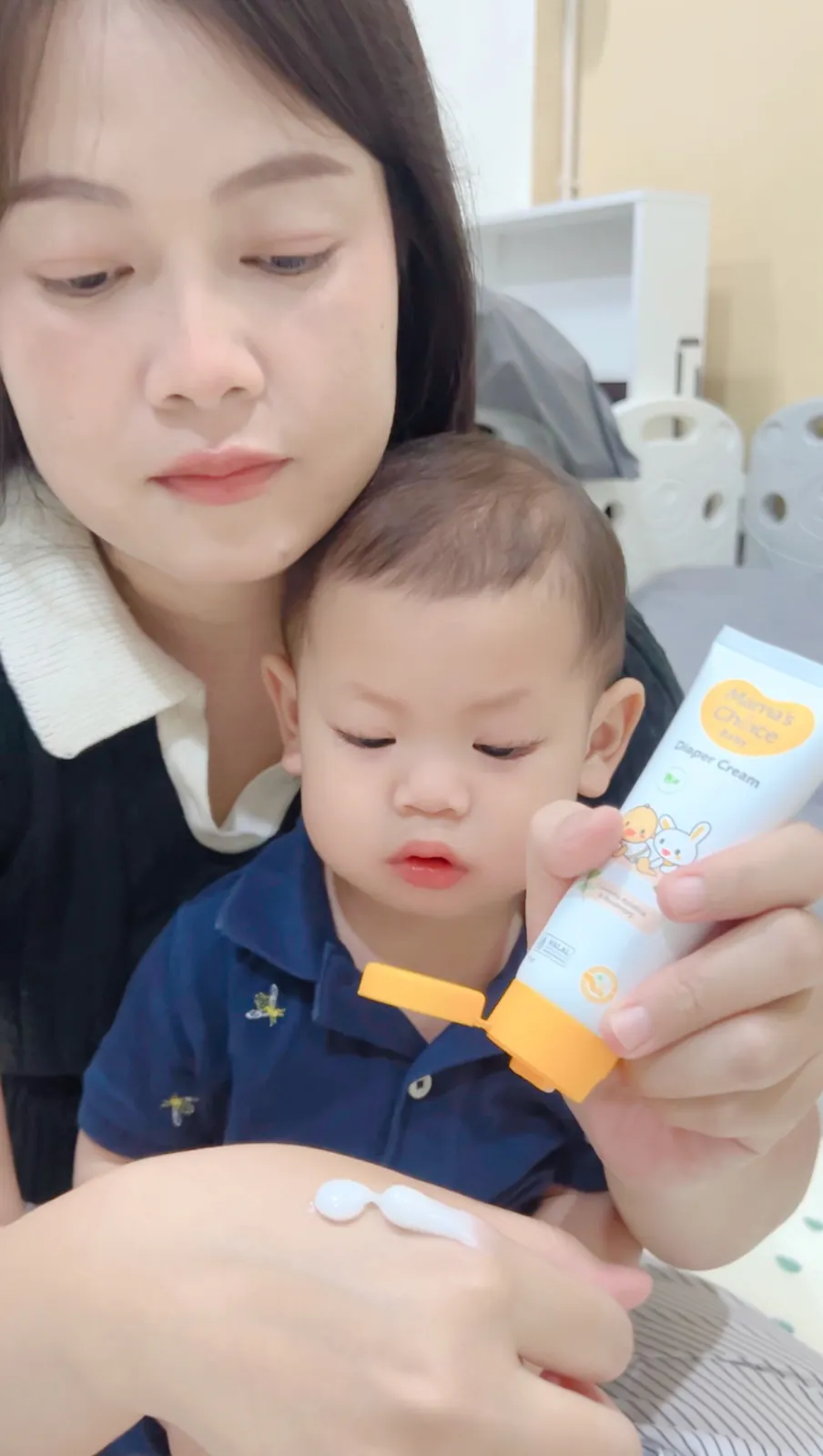
Traditional use runs back centuries, mostly for wounds, scars and irritated skin. That history is why it appears in so much modern skincare, including our own Baby Diaper Cream. It pairs centella with chamomile, green tea, licorice and sweet almond in a light, non-sticky cream that moisturises the skin and helps protect it in the diaper area and the neck folds. It is a lighter everyday cream rather than a thick zinc oxide paste, so it suits daily changes; for broken skin, use a zinc paste and ask your pharmacist.
Its active compounds are triterpenoids, including asiaticoside and madecassoside, along with flavonoids and phenolic acids. Those are the molecules the laboratory work has focused on.
What does the evidence actually show?
Laboratory studies and small clinical trials suggest centella may support wound repair and reducing inflammatory signals in skin. The ingredient has a good safety and tolerance record, which is why it is common in products for sensitive and reactive skin.
What does not exist is a statement from the NHS, the American Academy of Pediatrics or the American Academy of Dermatology endorsing centella as a treatment for anything. The earlier version of this article claimed the herb was proven to boost collagen and protected against heart disease and cancer. Those claims came from a product blog and we have removed them.
Centella asiatica is a well-tolerated soothing ingredient worth having in a cream for delicate skin. The main job of a diaper cream is the layer it puts between skin and moisture.
What actually clears a diaper rash?
The NHS routine is unglamorous and it works.
- Change the diaper as soon as it is wet or soiled. Frequency beats everything else on this list.
- Clean gently with water or a fragrance-free wipe. No scrubbing, no soap on broken skin.
- Dry properly, patting rather than rubbing, including the skin folds.
- Give some diaper-free time. Ten minutes on a towel after a change, in an air-conditioned room.
- Apply a thin layer of barrier cream at every change while the rash lasts.
- Leave the diaper slightly looser than usual so air can move.
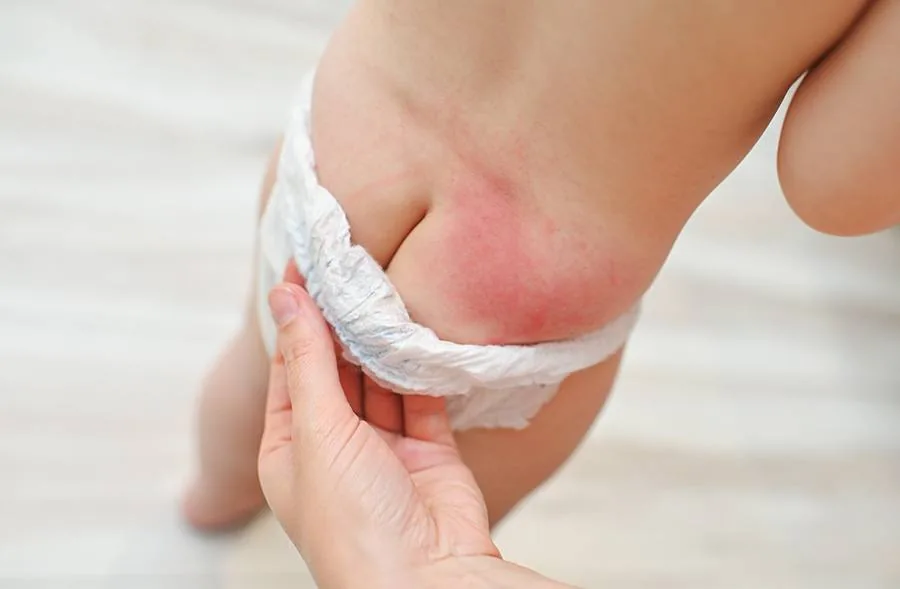
Barrier creams work by physically separating skin from urine and stool. Zinc oxide and petrolatum are the classic bases. The NHS suggests a thin layer at each change, and the American Academy of Dermatology recommends a generous layer of zinc oxide paste over red, irritated skin. Either way, the skin needs covering at every change.
Most rashes improve within a few days on this regime. Our fuller guide to preventing diaper rash covers the habits that stop it recurring, and diaper changing hacks covers the mechanics.
Does Singapore's climate make it worse?
Yes, and this is the part most international advice leaves out.
A diaper in 85% humidity never fully dries. Sweat adds to urine, the skin inside stays damp between changes, and damp skin abrades under friction far faster than dry skin does. The folds at the thigh crease and under the waistband take it first.
A few adjustments that matter here:
- Shorten the gap between changes in the afternoon heat, even when the diaper feels light.
- Dress the lower half in cotton rather than tight synthetic leggings.
- Use the air-conditioning for diaper-free time rather than a warm bedroom.
- Pat the folds dry properly. A quick wipe leaves water sitting exactly where the rash starts.
- Watch for heat rash as well, which appears as tiny red pinpricks on the trunk and neck and needs cooling rather than cream.
Our guide to common baby rashes helps distinguish them, since heat rash, diaper rash and eczema all look red and are treated differently.
How do you choose a diaper cream in Singapore?
Read the back of the tube, not the front.
Look for a recognisable barrier base, a short ingredient list, and no fragrance or essential oils on broken skin. Soothing botanicals like centella are a reasonable bonus on top of that base, and they are not a substitute for it.
One Singapore-specific check is easy to make. Cosmetic products sold here must be notified to the Health Sciences Authority before they go on sale, and a reputable brand will tell you its product is notified if you ask. Guardian, Watsons and Unity all stock barrier creams, and the pharmacist can point out the zinc oxide options.
Even and often is how any of them should be applied. A thick wall of cream once at bedtime does less than a layer at every change.
When should you see a doctor?
Take your baby in if the rash has not improved after a few days of careful care, or sooner for broken, bleeding or weeping skin.
Specific signs that need attention: pus-filled spots or yellow crusting, which suggest bacterial infection; small red dots spreading beyond the edge of the main patch, which often means thrush and needs an antifungal cream from a doctor; a rash that extends well past the diaper area; or a baby with a fever who is off their feeds.
Polyclinics handle the majority of these and can prescribe what a cream cannot do. KK Women's and Children's Hospital takes referrals for anything stubborn or unusual. For general skin care between episodes, our piece on baby moisturisers in Singapore covers what to use on the rest of the body.
Frequently asked questions
- What is centella asiatica?
- A low creeping herb that grows across South and Southeast Asia, known locally as pegaga and elsewhere as gotu kola. It has a long history in traditional medicine for wounds and irritated skin, and it turns up in modern skincare as a soothing botanical. In Singapore it still appears in markets as a leaf and a drink.
- Does centella asiatica actually heal skin?
- Laboratory and small clinical studies suggest it may support wound repair and calm irritation. No major health authority has issued guidance endorsing it as a treatment, so think of it as a well-tolerated soothing ingredient rather than a medicine. For a diaper rash, changing often and keeping the skin dry and covered matter more.
- What actually clears a diaper rash?
- The NHS advice is simple and dull: change the diaper as soon as it is wet or soiled, clean gently with water or a fragrance-free wipe, dry properly, leave the skin open to air when you can, and apply a thin layer of barrier cream at each change. Most rashes settle within a few days of that.
- Does Singapore's climate make diaper rash worse?
- It does not help. Sweat and humidity keep the skin inside a diaper damp even between changes, and damp skin breaks down faster under friction. Shorter stretches between changes, cotton rather than tight synthetic layers, and some diaper-free time in an air-conditioned room all reduce the problem.
- When should I take my baby to a doctor for a rash?
- If it has not improved after a few days of good diaper care, if the skin is broken or bleeding, if there are pus-filled spots or satellite red dots spreading beyond the main patch, or if your baby has a fever or seems unwell. A polyclinic can treat most of these, and KKH takes referrals for the rest.
Sources
- NHS — Nappy rash: treatment and prevention
- American Academy of Pediatrics, HealthyChildren — diaper rash
- American Academy of Dermatology — how to treat diaper rash
- Health Sciences Authority Singapore — cosmetic product notification requirements
- HealthHub, Health Promotion Board — baby skin and nappy care
Share this article
This article is for information only and is not a substitute for diagnosis or medical advice. Please talk to your doctor about your own situation.