Diaper changing hacks for new parents in Singapore
How often a newborn needs changing, how to set up a second changing kit in a small flat, and why Singapore's humidity makes diaper rash more likely.
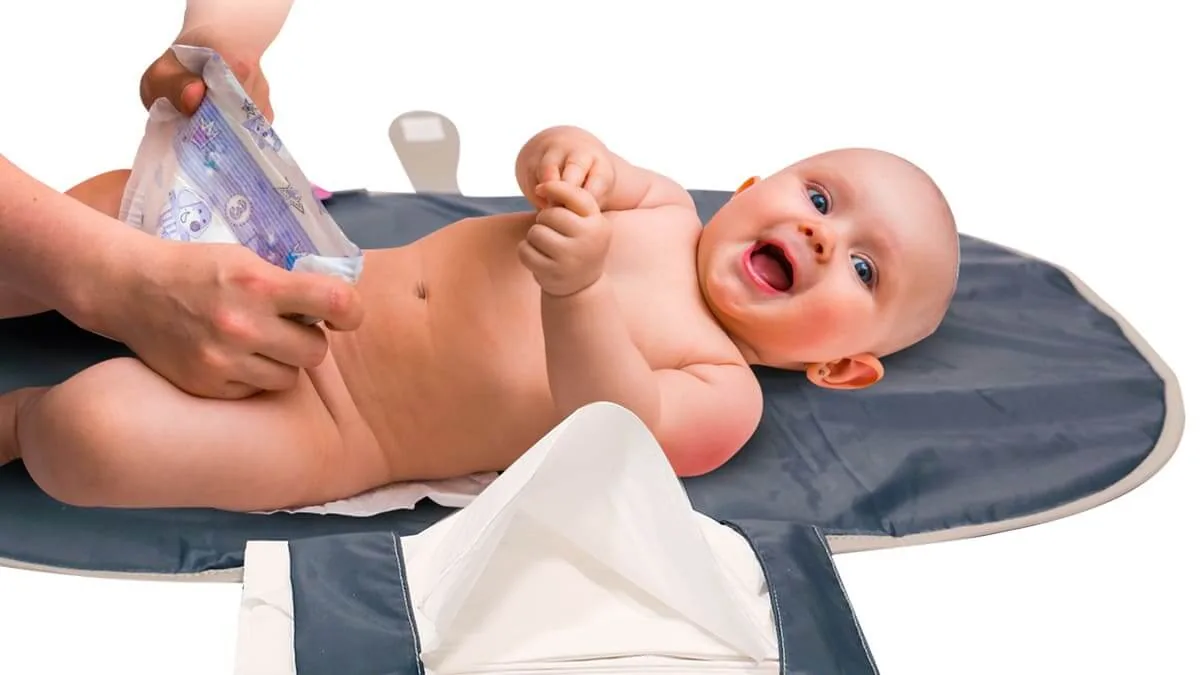
A newborn needs changing around 10 to 12 times a day, according to the NHS, so you get a lot of practice fast. The habits that save the most time are a second changing kit kept where you actually sit, a clean diaper slid underneath before you open the dirty one, and barrier cream at every change.
How many diaper changes should you expect?
The NHS puts newborn changes at roughly 10 to 12 a day in the first weeks. That number falls as feeds spread out, and by the time your baby is on solids you may be down to five or six.
What triggers a change is wet or soiled skin, not a schedule. Stool is the part that matters most. It carries digestive enzymes that irritate the skin and wear down its barrier, which is why the NHS and the American Academy of Pediatrics both put prompt changing first in their advice on diaper rash.
Diapers are also a standing household cost here. Guardian, Watsons, Unity and FairPrice all run case deals on the bigger sizes, and buying one size up when your baby is close to the weight limit wastes less than buying the exact size twice.
Where to keep a second changing kit
Most Singapore flats have the cot in one room and the sofa in another, and diaper duty calls wherever you happen to be sitting. A second kit solves that.
A shallow basket is enough. Keep in it:
- Four or five diapers
- A foldable wipe-clean mat
- Cotton wool or fragrance-free wipes
- Barrier cream
- A spare romper and a small wet bag
Put it next to wherever you feed at night. The walk down a corridor at 3am is the part that wakes everybody up.
What makes a single change quicker?
Slide the clean diaper in first. Open it and lay it under your baby's bottom before you undo the dirty one. When the mess arrives you already have somewhere clean to put him.
Use the clean front of the dirty diaper as the first wipe. It saves a couple of wipes per change and it is already in your hand.
Dress for access. Rompers with snaps along the crotch open without coming off over the head. For a 3am change that is the difference between a sleepy baby and a wide-awake one.
Tuck the arms away. Undo the shoulder snaps, roll the romper up to the shoulders, snap it closed again, and the hands are out of the way without being held.
Check the fit before you walk away. Pull the leg ruffles out so they sit outside the thigh rather than folded in, and keep the waistband below the cord stump until it drops off. Leaks are nearly always a fit problem.
Why is diaper rash more likely in Singapore?
Skin inside a diaper is already warm and damp. Singapore adds to both. Humid air all year round means sweat evaporates slowly, so the skin under a waistband stays wet longer here than it would in a dry climate.
Damp skin is weaker skin. It abrades more easily, and friction plus stool is the usual recipe for the flat red patches that follow the diaper edge. The NHS describes a separate problem that looks similar, heat rash, which shows as tiny raised spots in skin folds and settles once the child cools down.
A few things help more than the rest:
- Shorter gaps between changes on hot afternoons
- Five minutes with the diaper off, on a towel, after the morning change
- Cotton outer layers rather than a full romper indoors
- A barrier cream applied at every change, not only when skin looks sore
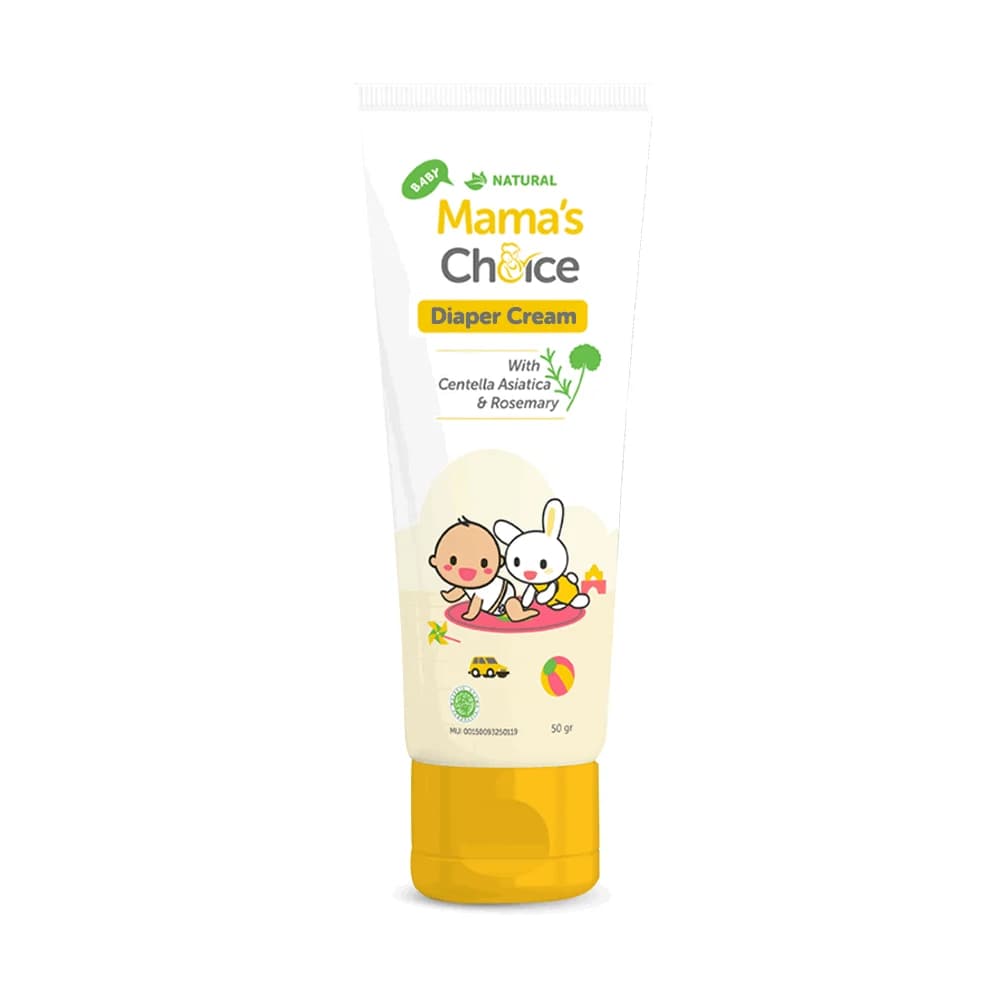
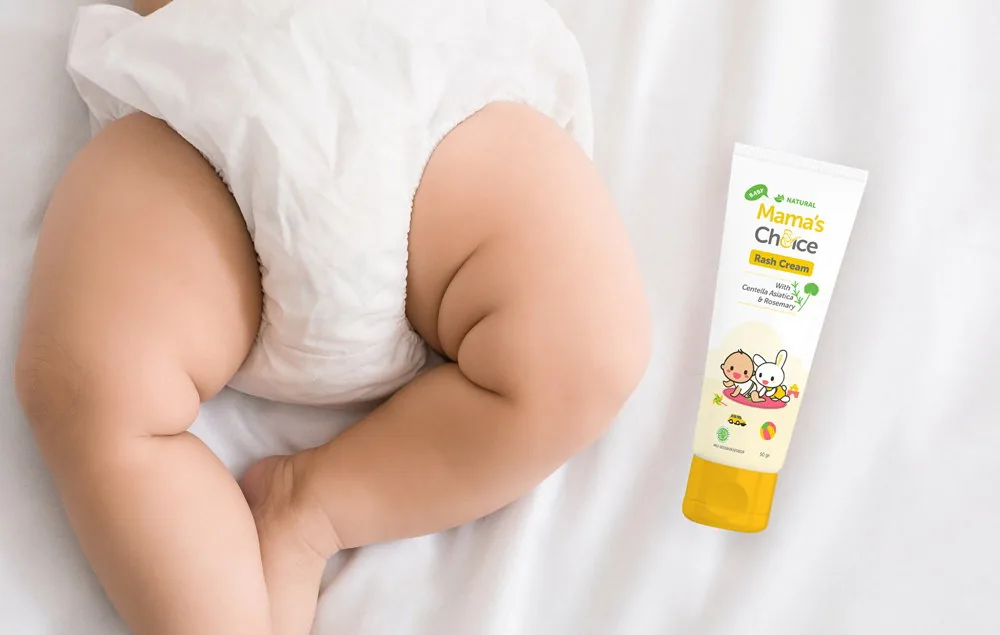
Mama's Choice Baby Diaper Cream is the cream we make for exactly this routine. It cushions and protects delicate skin in the diaper area from wetness, and keeps it soft and moisturised with sweet almond oil, panthenol and plant extracts such as centella and chamomile. It is light, sinks in quickly and does not leave a sticky film, so it suits a quick change at 3am. A thin even layer at every change is enough.
Also read: how to prevent diaper rash
What should go in the bag when you leave the house?
Nursing rooms in Singapore shopping centres, at MRT interchanges and in public libraries nearly always have a changing table. They do not always have paper liners left, so bring your own mat.
A workable out-and-about kit is a few diapers, a mat, wipes, a wet bag for the soiled romper, a change of clothes and a small tube of cream. If the cream is what you forget, any Guardian, Watsons or Unity outlet stocks one, and most malls have at least one of the three.
Keep a second set in the car or the stroller basket. You will use it.
How do you change a diaper at night without waking the baby?
Keep the light low. A warm lamp in the corner gives you enough to work by without the ceiling light that resets everybody.
Warm the wipe in your hand for a few seconds first. Cold on the skin is what makes a sleeping baby startle, more than the handling does.
Change only what needs changing. Soiled always, soaked usually, slightly damp often not. A good barrier cream before bed buys you that choice, because the skin is protected while the diaper sits.
Avoid eye contact and talk in a near whisper. Attention is stimulating at that age, and your baby will take it as an invitation to start the day.
Also read: baby sleep tips that really work
When does a rash need a doctor?
Take your baby to your GP or a polyclinic if the rash:
- Has blisters, open sores, or yellow crusting
- Spreads beyond the diaper area, or into the skin folds with satellite spots, which can mean thrush
- Comes with a fever, or with your baby feeding less
- Has not improved after three days of frequent changes and barrier cream
Both the NHS and the American Academy of Pediatrics list those as reasons to be seen rather than to try another cream. A polyclinic doctor can see your baby, and your GP can refer on to KK Women's and Children's Hospital if the skin needs a paediatric dermatology opinion.
Frequently asked questions
- How many times a day will I change a newborn's diaper?
- The NHS puts it at around 10 to 12 changes a day in the early weeks, dropping as your baby's stomach grows and feeds spread out. Wet or soiled is the trigger, not the clock.
- Do I need to change a wet diaper in the middle of the night?
- A soiled diaper always needs changing, because stool on skin is what causes most diaper rash. A diaper that is only slightly wet can usually wait until the next feed if your baby is settled and the skin is clear.
- Why does my baby get a rash so quickly in Singapore?
- Warm, humid air keeps the skin inside a diaper damp, and damp skin breaks down faster under friction. Shorter stretches between changes, a few minutes of diaper-free time and a barrier cream at each change all help.
- Are baby wipes safe for a newborn?
- The NHS suggests cotton wool and warm water for the first few weeks, then fragrance-free and alcohol-free wipes once the skin is less fragile. If a wipe leaves the skin pink, go back to water for a while.
- Where can I change a diaper when I am out in Singapore?
- Most shopping centres, MRT interchanges and public libraries have a nursing room with a changing table. Carry a foldable mat anyway, since the table surface is shared and the paper liner runs out.
Sources
Share this article
This article is for information only and is not a substitute for diagnosis or medical advice. Please talk to your doctor about your own situation.