Baby travel checklist for Singapore families
What to pack, what to arrange before you fly, car seat rules here, and how to handle heat, feeding and ears on a flight with a baby.
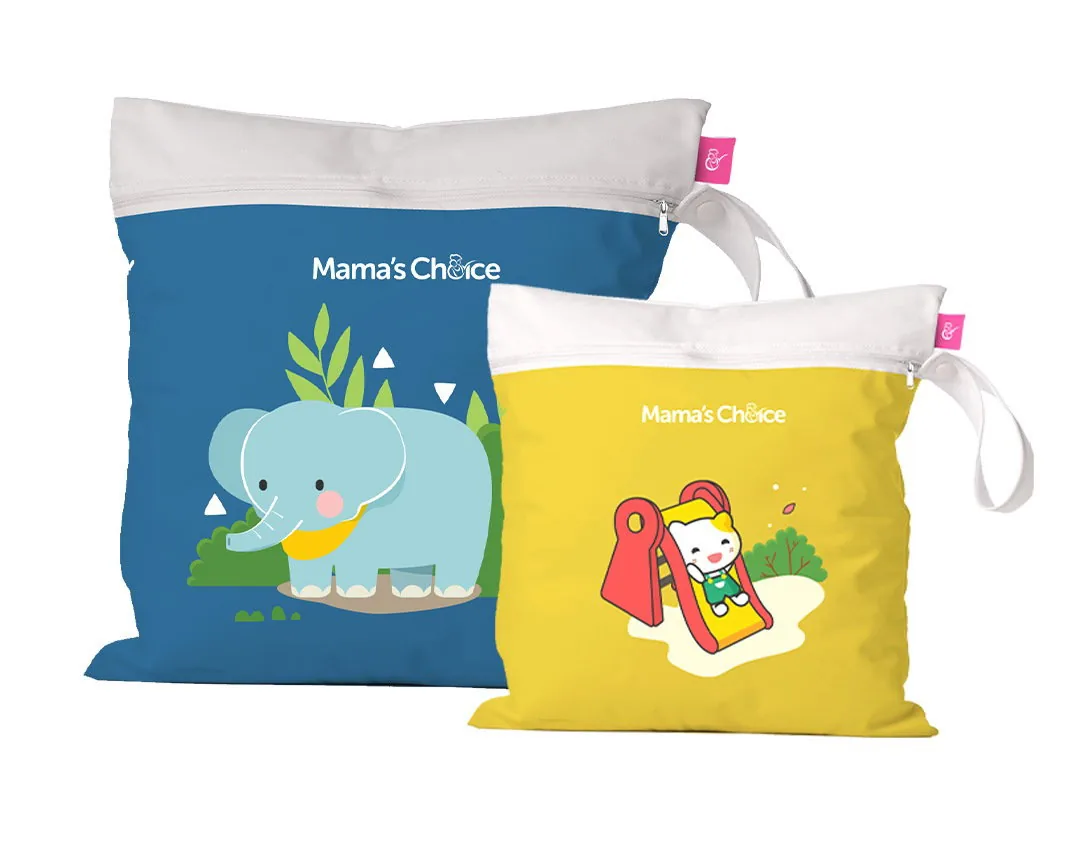
Travelling with a baby needs a short list of essentials, a longer list of arrangements, and far less equipment than most parents pack. Sort her passport and any vaccinations first, keep diapers, feeds and a change of clothes in the cabin, and feed her as the plane descends. Everything else can be bought where you land.
The first trip is the hardest, and it is usually hard for reasons that have nothing to do with what is in the bag.
Arrange these before you book anything
Her passport. Every Singapore citizen child needs her own, applied for through ICA, with a photograph in which her eyes are open and her mouth is closed. Allow weeks, not days.
Vaccinations. The CDC travel guidance varies by destination, and some vaccines cannot be given below a certain age. A travel clinic or your paediatrician will advise 4 to 6 weeks ahead, and she should be up to date on the National Childhood Immunisation Schedule regardless of where you are going.
Travel insurance that covers her. Check infant coverage specifically, and check what happens if you have to cut the trip short.
A seat, or not. Under 2 she can travel as a lap infant, which is cheaper and less comfortable. The AAP recommends a child restraint on the aircraft for safety, which means buying her a seat. Airlines also offer bassinets on long-haul for babies under a weight limit, and those are allocated on request and worth asking about at booking.
Where you are going, reconsidered. If you are pregnant as well as travelling with a baby, the CDC advises against travel to areas with a current Zika outbreak during pregnancy and asks pregnant travellers to weigh the risk for other places where Zika has been reported, which includes parts of our region. Check its destination page before booking, and check the dengue situation too.
The cabin bag, which is the only bag that matters
Everything here goes in the cabin. Checked luggage gets delayed.
- Diapers, one per hour of travel plus a few spare
- Wipes, more than you think
- Two changes of clothes for her, one for you
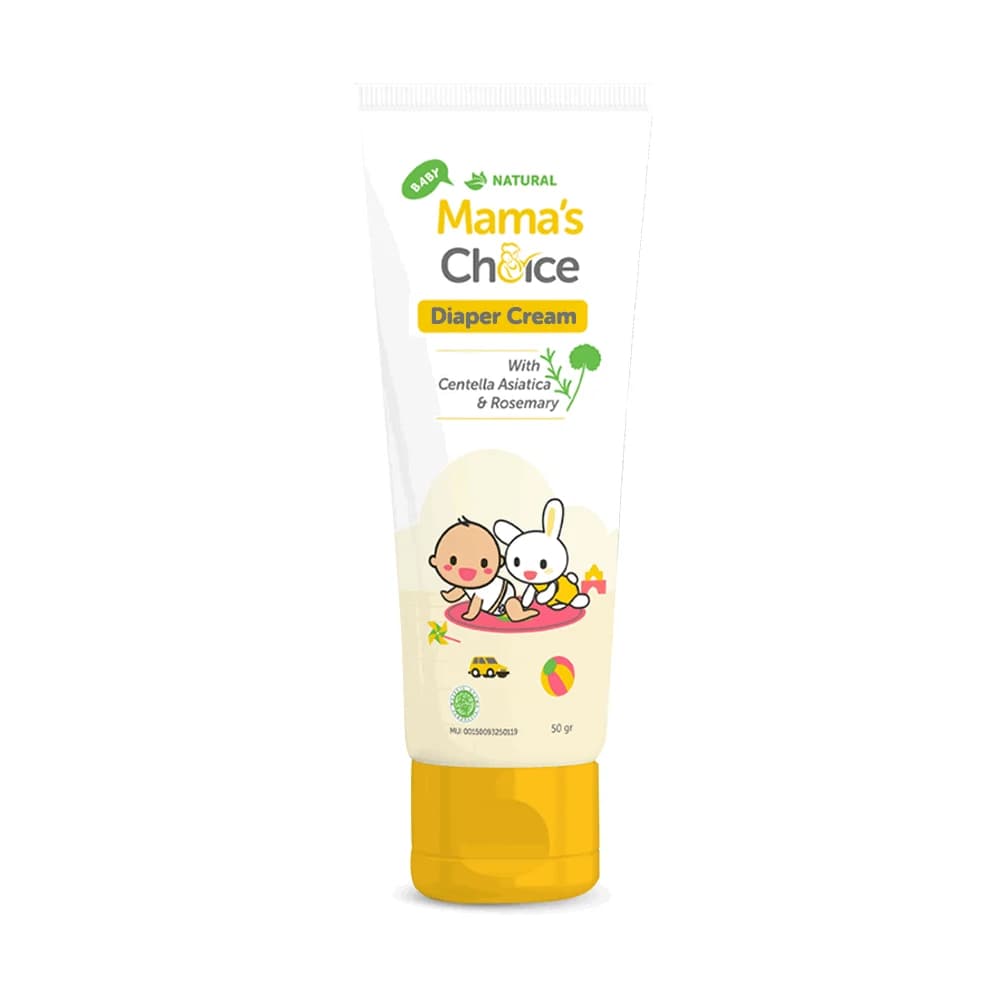
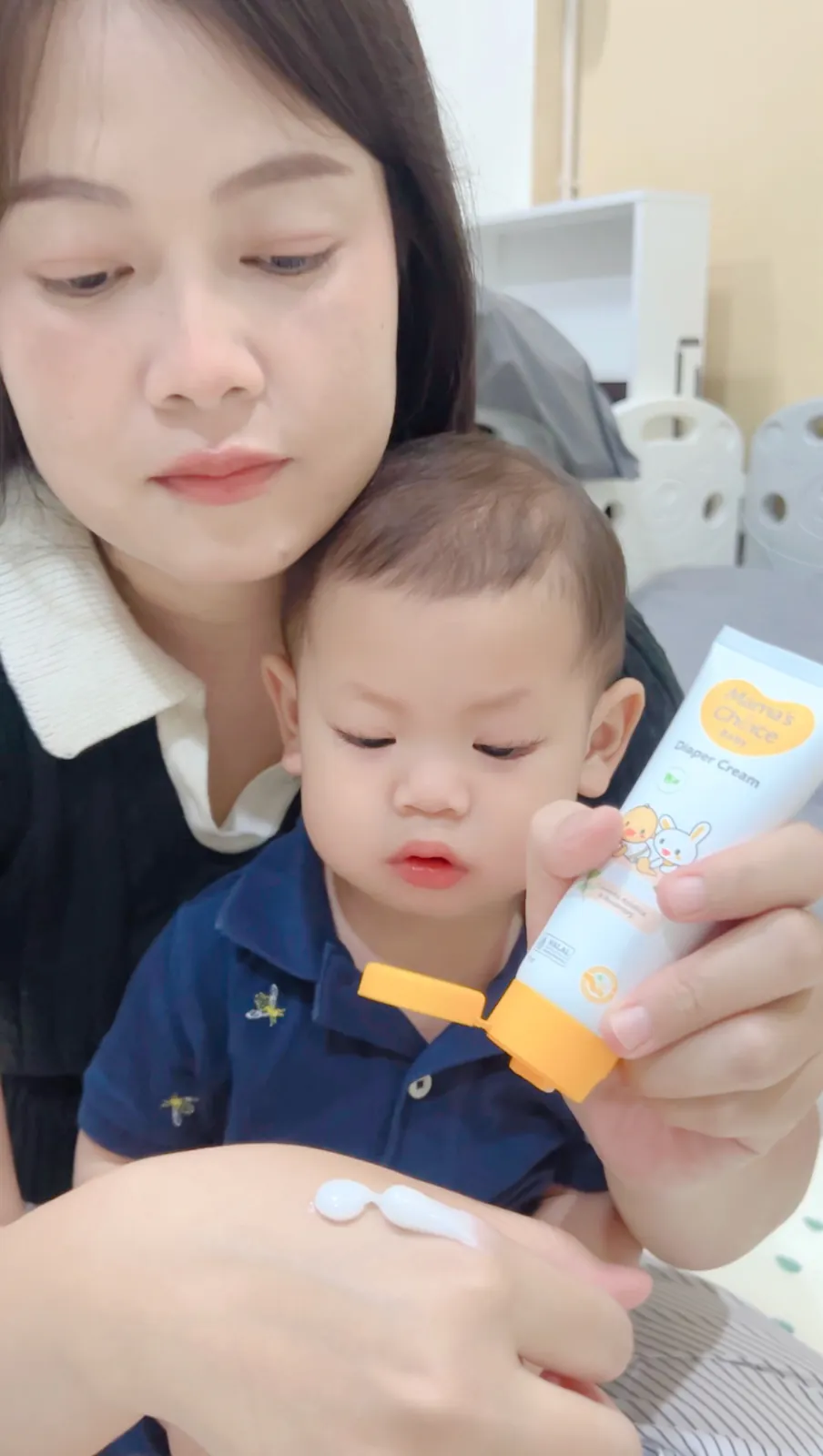
- Diaper cream, since a long flight can mean longer between changes. Our Baby Diaper Cream puts a light, non-sticky protective layer between skin and diaper, and the 50 g size fits a cabin bag
- A changing mat, or a muslin that can be sacrificed
- Bottles, formula in pre-measured portions, or a cover if you are breastfeeding
- A dummy if she takes one, plus a spare
- Two muslins
- A thin blanket or swaddle, because cabins run cold
- Infant paracetamol with its dosing syringe, with the dose for her age and weight checked beforehand by your doctor or pharmacist
- A hat
- Her health booklet or immunisation record
- Snacks for you. You will forget to eat
Our fuller list for daily use is in what to pack in a diaper bag, and much of it transfers.
Through Changi, and onto the plane
Changi has baby care rooms in every terminal with changing tables, warm water and a feeding area, and they are considerably better than what waits at the other end. Use them before boarding rather than after.
Baby food, formula and expressed breast milk are allowed through security in quantities reasonable for the journey. Declare them at the screening point and expect to open a container. Our page on storing breast milk while travelling covers cooler bags, ice packs and what survives a long transit in this heat.
Board early if you want time to settle, or board last if she is happier moving. Both strategies work and neither works every time.
For the ears, feed or offer a dummy during descent. Pressure changes on the way down usually bother ears more than the climb, and swallowing equalises them. Feeding on take-off does no harm if she is hungry then.
Car seats, here and there
Singapore's rules require children below 1.35m to be properly restrained in private vehicles, and taxis are exempt. Private hire vehicles are not taxis for this purpose, so if you use one to the airport you need the seat.
At your destination, a hire car may or may not come with a seat that fits her, and the ones supplied are often the wrong size or past their date. Bringing your own is the safer option, and many airlines carry an infant car seat free of charge. Check with yours.
Heat, sun and insects
You are leaving a hot country for another hot country, which at least means no winter packing. It also means the same hazards doubled.
- Keep a baby under 6 months out of direct sun entirely. Shade, a wide hat, long light sleeves
- Plan outings before 10am and after 4pm
- Offer feeds more often, since heat raises her fluid needs
- Watch for heat rash in the folds. Dry them and cool her down. The AAP advises against heavy creams on heat rash, and a rash that has not settled once she is cool needs a doctor
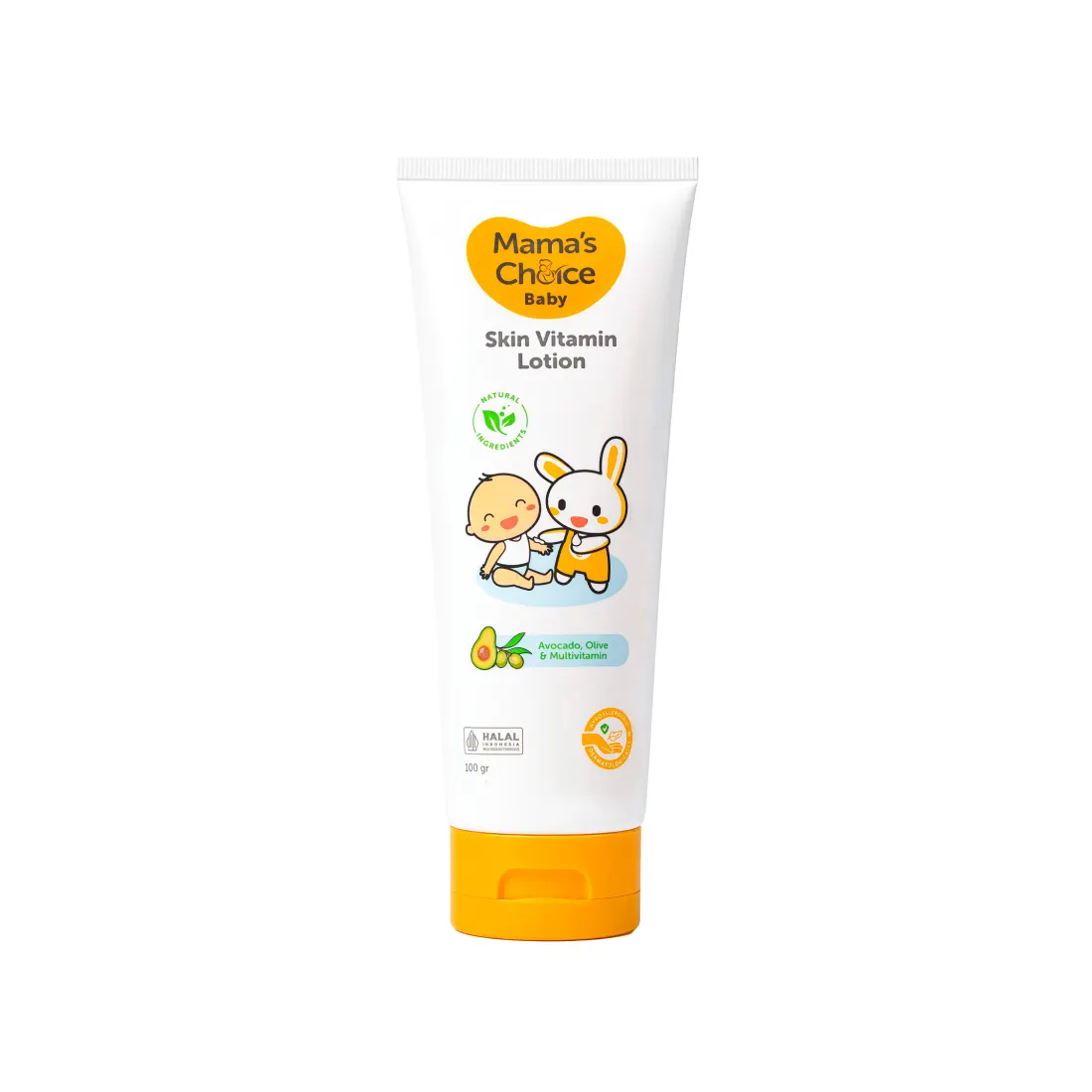
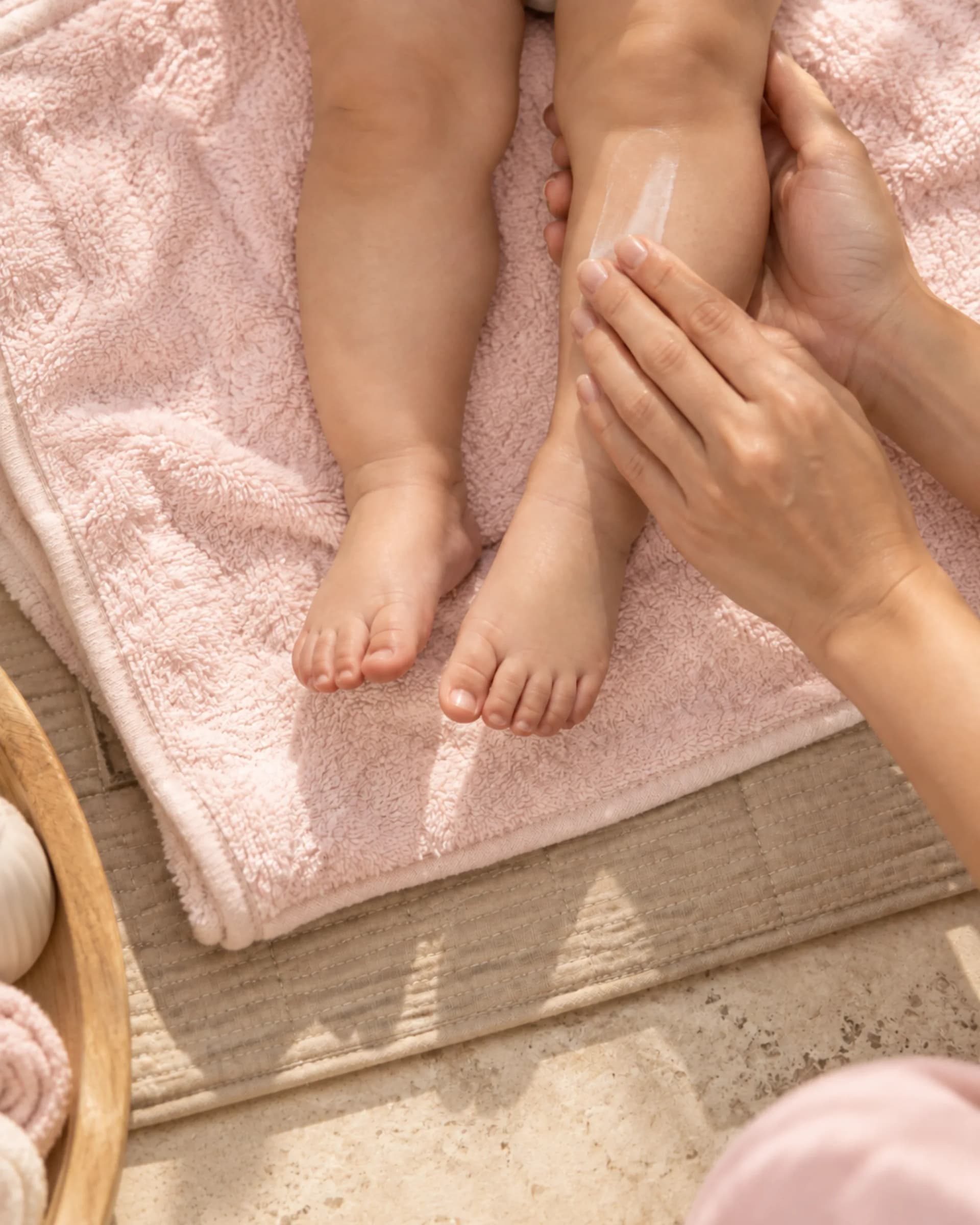
- Pack a moisturiser for skin dried out by sun, pool water and hotel aircon. Our Baby Skin Vitamin Lotion is light, sinks in easily and can be used from birth
- Cover rather than spray for mosquitoes in a young baby. Whether DEET repellents are safe for kids covers the ages and concentrations
- Bring a mosquito net for the cot if you are going anywhere rural
Our notes on sun protection for babies go through what is appropriate at what age, which is less than most parents assume.
Food, water and tummies
For a baby under 6 months who is exclusively fed on milk, this is simple. Breastfeeding travels with no equipment. Formula needs safe water, which in much of the region means bottled or boiled.
Once she is on solids, keep to food that is cooked and hot, fruit you peel yourself, and bottled water for mixing anything. The 2-hour rule for leftovers that the CDC publishes drops to one hour above 32 °C, which is most afternoons where you are going.
Pack a small bottle of surface disinfectant for tray tables and hotel surfaces. Our All-Purpose Disinfectant is made for wiping down hard surfaces like these. Keep it to surfaces, rather than skin or anything your baby mouths.
Diarrhoea in a baby is the complication to take seriously. Oral rehydration salts are worth packing, and a baby who is not wetting diapers needs a doctor wherever you are.
Sleep, which will not be as planned
Expect a few bad nights. A dark room, the same swaddle or sleep bag she uses at home, and the same order of events before bed will do more than any gadget. A travel cot with a firm flat mattress and nothing in it is the only safe option, and a hotel sofa is not one.
Short hops within the region barely shift a body clock. Anything further and the first two days are a write-off, so build them into the itinerary rather than booking something for the morning after you land.
A realistic timeline
| When | What to do |
|---|---|
| 8 weeks ahead | Apply for her passport, check insurance |
| 4 to 6 weeks ahead | Travel clinic, vaccinations, check destination advisories |
| 2 weeks ahead | Request bassinet or seat, confirm car seat arrangements |
| 1 week ahead | Buy diapers, cream and medicines here rather than there |
| Day before | Pack the cabin bag, charge everything, print the health record |
| On the day | Feed before boarding, change her at the gate |
Buying her supplies at Guardian, Watsons or Unity before you go is worth the suitcase space. Diaper sizing, cream formulations and infant paracetamol strengths all differ abroad, and a tired parent in an unfamiliar pharmacy at 10pm is not a situation to engineer deliberately. Diaper rash is a common complaint on the road, and preventing it is mostly about changing her more often than feels necessary. See a doctor if a rash spreads, blisters or comes with a fever.
Frequently asked questions
- Does my baby need her own passport?
- Yes. Every Singapore citizen child needs her own passport, applied for through the Immigration and Checkpoints Authority, and she will need a photograph. Allow time for it rather than booking flights first.
- How do I stop her ears hurting on the plane?
- Feed, or offer a dummy, especially during descent. Swallowing equalises the pressure, which is what hurts. The AAP gives the same advice, and a baby who is awake for landing has an easier time than one woken by it.
- Do I need a car seat in a Singapore taxi?
- Taxis are exempt from the child restraint requirement here, while private cars and private hire vehicles are not, and children below 1.35m must be properly restrained in those. Bring your own seat if you are using anything other than a taxi.
- Can I bring formula and breast milk through security?
- Yes. Baby food, formula and expressed milk are allowed in reasonable quantities for the journey, and you may be asked to open or taste them. Declare them at the screening point rather than hiding them in a bag.
- Which vaccinations does she need before travelling?
- It depends on where you are going and how old she is, and some vaccines cannot be given before certain ages. See a travel clinic or your paediatrician 4 to 6 weeks before departure, and bring her immunisation record.
Sources
- AAP HealthyChildren — Flying with a baby and travel safety
- CDC — Travellers' health, travelling with infants and children
- CDC — Zika virus and travel during pregnancy
- HealthHub (Health Promotion Board) — National Childhood Immunisation Schedule
- Singapore Police Force, Traffic Police — Child restraint requirements in vehicles
- Immigration and Checkpoints Authority — Passport application for a child
Share this article
This article is for information only and is not a substitute for diagnosis or medical advice. Please talk to your doctor about your own situation.