How to Pump at Work in Singapore
How to plan pumping around a Singapore working day, store milk safely in this heat, and keep supply steady after the 16 weeks of maternity leave end.
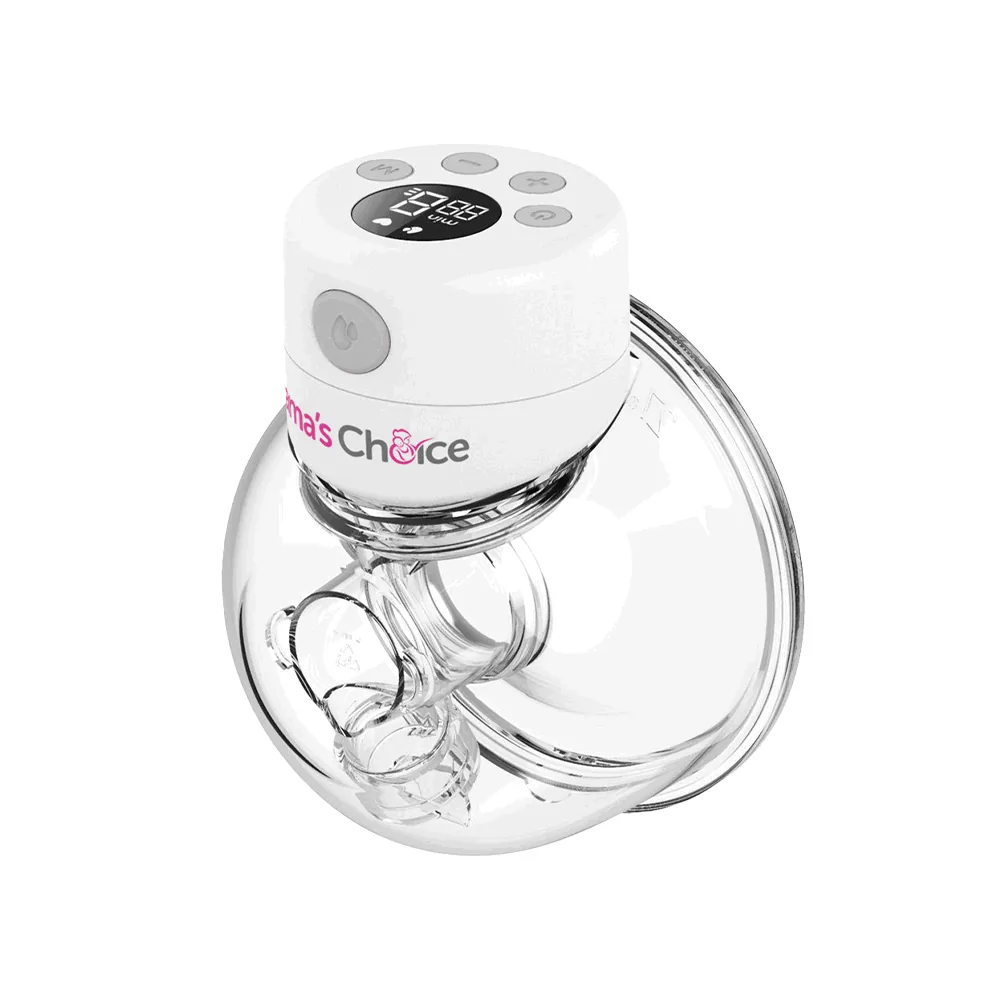
Pumping at work holds together on a few things: sessions roughly every three hours, a cooler bag that survives the commute, and an arrangement agreed with your employer before your first day back. Singapore heat is the detail most guides written elsewhere get wrong.
Before the leave runs out
Government-Paid Maternity Leave runs to 16 weeks under the scheme administered by the Ministry of Manpower. The last fortnight of it is the useful one for preparation.
Practise with the pump. Learn the flange sizing, the settings and the assembly while you are at home and unhurried. Pain often means the flange is the wrong size.
Build a modest stash. A few days of milk in the freezer is enough. A vast stash is not necessary and often causes more anxiety than it relieves.
Introduce a bottle, gently. Someone other than you, a slow-flow teat, held horizontally with pauses. Starting a fortnight out leaves room for the first few refusals.
Do a dry run. The commute, the bag, the ice packs, the washing up. You will find out what is missing on a Saturday rather than on your first Monday.
Our guide to pumping breast milk covers technique and the logistics of carrying it.
The conversation with your employer
There is no separate statutory entitlement to lactation breaks in Singapore, so this is a negotiation rather than a form.
Ask for something specific. A lockable room, two half-hour slots at roughly fixed times, and somewhere to keep a cooler bag. Specific requests get agreed; "some flexibility" does not.
Put it in writing to your manager before you return, so the arrangement exists before the first busy week tests it. If your workplace has a nursing room already, find out who holds the key.
A realistic schedule
Match what your baby would have taken. For a standard working day that usually means a couple of sessions, roughly three hours apart.
| Time | What happens |
|---|---|
| Before leaving home | Feed directly, which is the best session of the day |
| Mid-morning | Pump, 15 to 20 minutes |
| After lunch | Pump, 15 to 20 minutes |
| Late afternoon | Pump if your day runs long or the commute is slow |
| At pick-up | Feed directly, as soon as you can |
| Evening and night | Feed directly, which carries more of your supply than people expect |
Frequency matters more than duration. Two short sessions at the right times beat one long one squeezed in at four o'clock.
Protect the timing when the day falls apart. Skipping sessions is a common reason supply drops in the first month back, and long gaps can also lead to blocked ducts.
Storing milk safely in this climate
The Centers for Disease Control and Prevention gives clear limits for freshly expressed milk.
| Where | How long |
|---|---|
| Room temperature | Up to 4 hours, with room temperature taken as 25°C or below |
| Insulated cooler with ice packs | Up to 24 hours |
| Refrigerator | Up to 4 days |
| Freezer | About 6 months is best, up to 12 months acceptable |
Read the first line against a Singapore afternoon. An office is air-conditioned, and the walk to the MRT, the platform and the bus are not, so milk left in a handbag for the journey home has spent that time well above 25°C. A cooler bag with frozen ice packs covers it.
Label every bottle or bag with the date before you put it away. By the third week you will not remember.
Our article on using breast milk storage bags properly covers filling, freezing and thawing.
What to carry
- The pump, with a spare set of valves and membranes, since those are what fail
- A cooler bag and at least two frozen ice packs
- Bottles or bags, plus a marker pen
- A bottle brush and detergent, or a container to carry parts home in
- Breast pads, and a spare top in a separate bag
- Nipple cream, if pumping leaves your skin dry
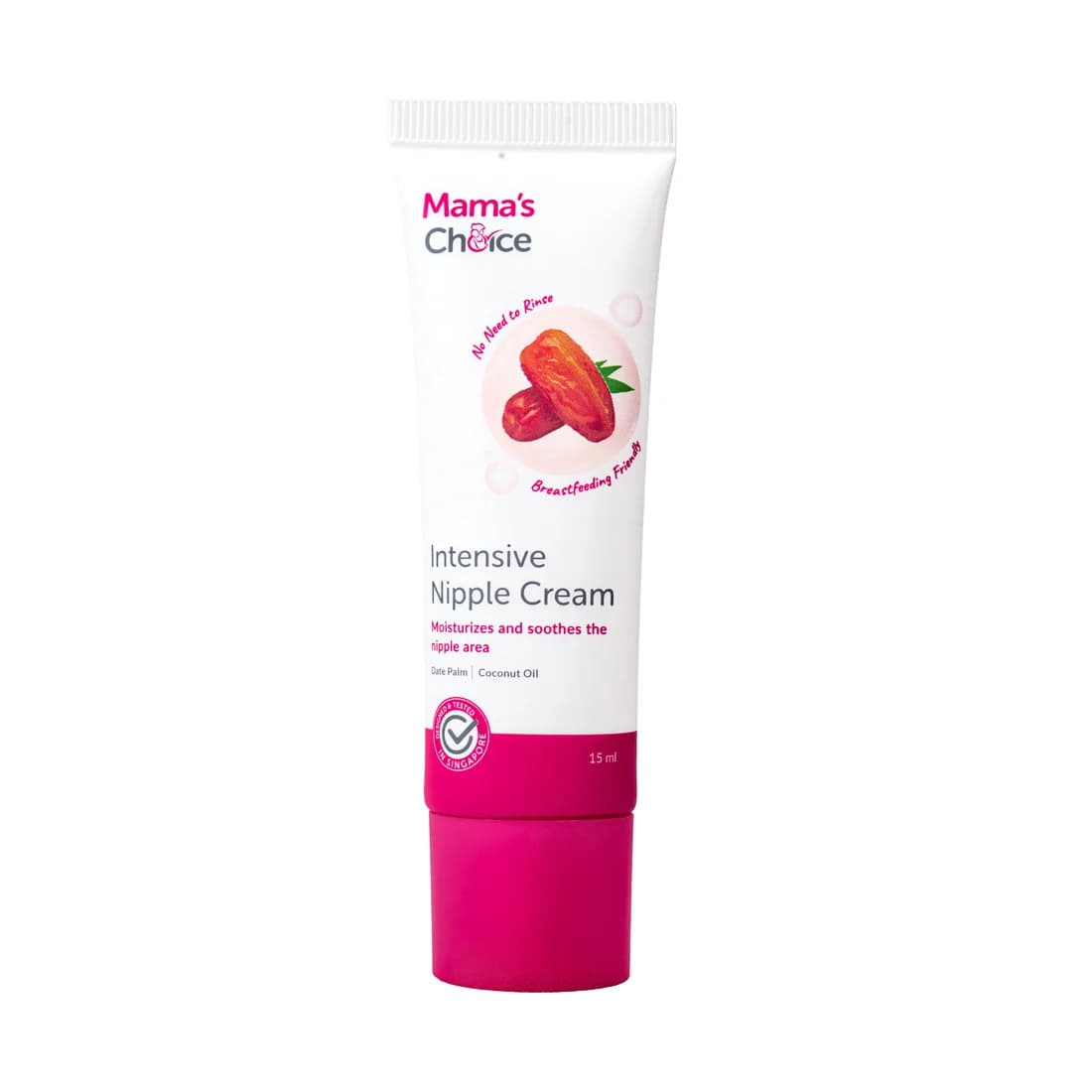
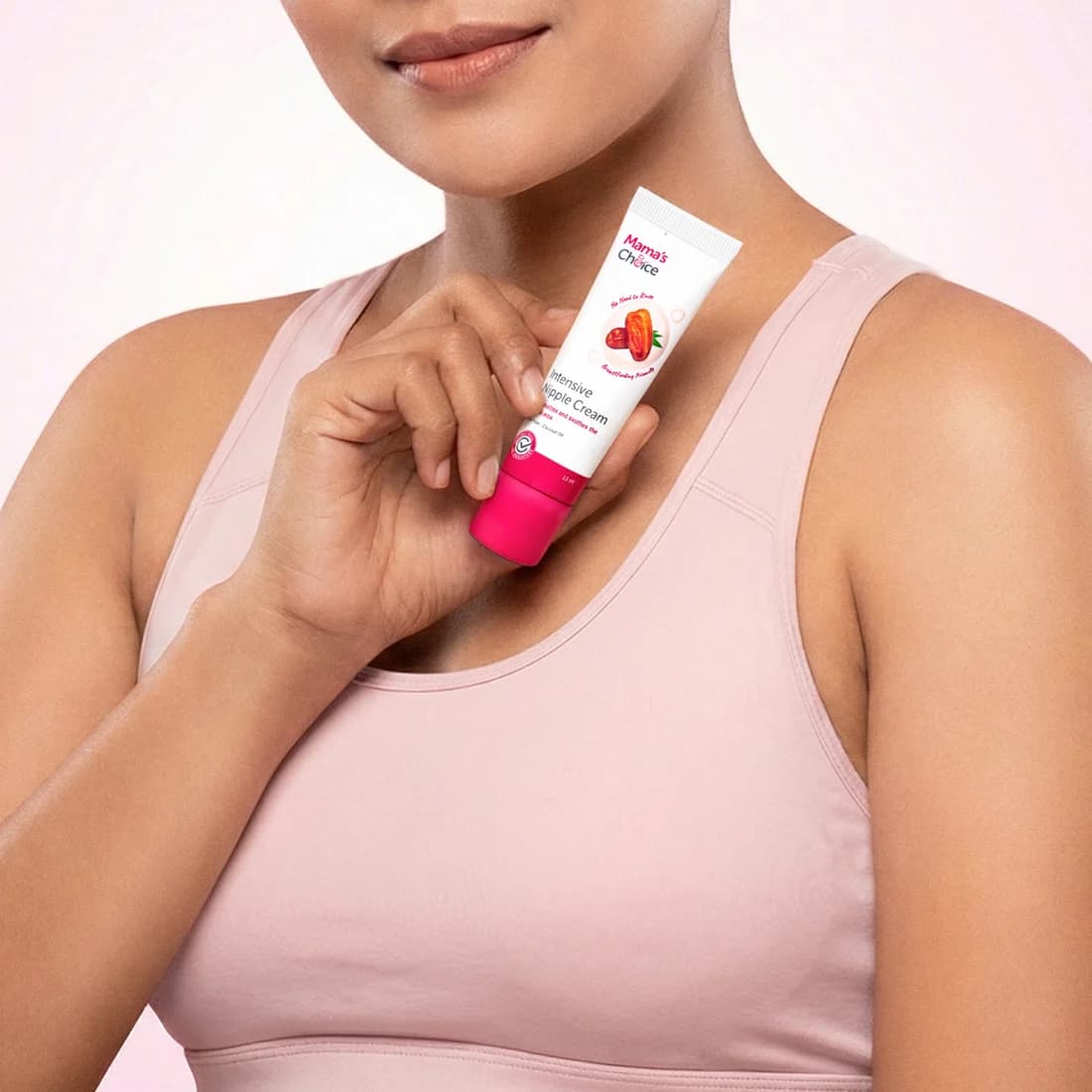
Twelve sessions a week on a pump can leave nipple skin dry. Mama's Choice Intensive Nipple Cream is a lanolin balm with shea butter and coconut oil that moisturises the skin and protects it from dryness. Our directions say it does not need wiping off before a feed, which saves a step at pick-up time. If pumping hurts, check the flange size before reaching for any cream. Our guide to breastfeeding pain covers what else helps.
Where to pump when there is no room
Larger malls here generally have nursing rooms, which is worth knowing if your day involves client visits. Ask at the concierge desk rather than hunting.
A lockable meeting room is the usual office answer, and most managers will find one if you name the requirement. Pumping at a desk under a cover works for some women and is miserable for others, so do not assume it has to be your plan.
Toilets are a last resort for reasons of hygiene rather than modesty. If that is the only option on offer, it is a reasonable thing to push back on.
When supply dips
Many Mamas see a dip in the first month back. It is usually mechanical.
Check the pump parts first, since worn valves and the wrong flange size quietly cut your yield. Then count your sessions across a week. Then look at sleep and fluids, which are both worse than you think by Thursday.
Add a session rather than lengthening one. Feed directly in the evening and overnight, which is when prolactin is highest. Our guide to boosting supply naturally goes through the rest.
If your baby starts refusing the breast at home after a few weeks of bottles, that is a recognised pattern with its own fixes, and our piece on ending a nursing strike covers it.
Getting help
KK Women's and Children's Hospital and the National University Hospital both run lactation services that see mothers long after discharge, and your polyclinic can refer you.
Partial breastfeeding is a legitimate outcome. Plenty of Mamas in Singapore pump twice a day for a few months, then feed morning and night only, and that still counts. Deciding what you are aiming for makes the whole arrangement easier to live with than aiming for everything.
Frequently asked questions
- How often do I need to pump at work?
- Roughly every three hours, matching the feeds your baby would have taken, which for most office days means a couple of sessions. Dropping a session to get through a meeting is the usual first step towards a supply dip, so protect the timing rather than the duration.
- Am I entitled to pumping breaks in Singapore?
- Government-Paid Maternity Leave runs to 16 weeks under the scheme administered by the Ministry of Manpower, and there is no separate statutory entitlement to lactation breaks on top of that. Arrangements are agreed with your employer, so it is worth raising before your last week of leave rather than on your first day back.
- How long can expressed milk sit out in this heat?
- The Centers for Disease Control and Prevention gives up to 4 hours at room temperature for freshly expressed milk, and that guidance assumes a room at or below 25°C. A Singapore commute is well above that, so a cooler bag with ice packs is not optional here.
- What if my supply drops after going back?
- It usually reflects fewer or shorter sessions rather than anything about your body. Add a session, feed directly at pick-up and through the evening, and check the pump parts, since a worn valve or the wrong flange size can quietly cut what you collect.
- Where can I pump if the office has no nursing room?
- Many offices will find you a lockable meeting room if you ask specifically rather than generally. Most larger malls here have nursing rooms, which helps if you are out for client meetings, and a car in a covered carpark works at a pinch.
Sources
- Centers for Disease Control and Prevention — proper storage and preparation of breast milk
- Ministry of Manpower — Government-Paid Maternity Leave
- World Health Organization — infant and young child feeding recommendations
- La Leche League International — pumping and returning to work
- HealthHub (Ministry of Health Singapore) — breastfeeding support
- KK Women's and Children's Hospital — lactation services
Share this article
This article is for information only and is not a substitute for diagnosis or medical advice. Please talk to your doctor about your own situation.