
Do Postpartum Corsets Help You Recover After Birth?
What a postpartum corset can and cannot do for a caesarean scar, separated stomach muscles and the confinement month in Singapore’s heat.
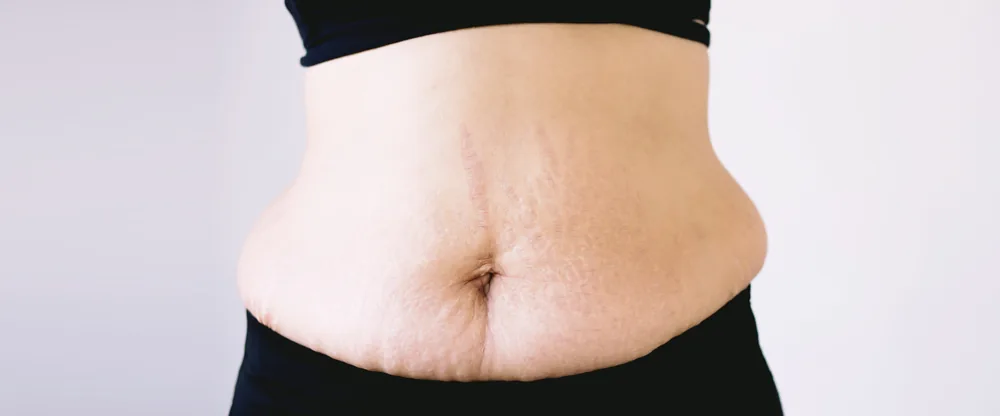
Everybody in the family has an opinion about binding. Very little of the advice distinguishes between feeling supported and actually healing.
A postpartum corset holds your abdomen firmly, which many Mamas find comforting in the first weeks and especially after a caesarean. It does not shrink your uterus faster, burn fat or close separated stomach muscles. Clear that with your doctor or physiotherapist first, wear it only while it feels comfortable, and treat movement as the real recovery.
What is a postpartum corset supposed to do?
A corset, girdle, binder or belly wrap is a wide band of compression worn around the middle after birth. The claims attached to it range from reasonable to invented.
Reasonable: it makes your abdomen feel held, which can make the first days of standing, coughing and getting out of bed less daunting. Invented: that it binds your organs back into place, melts belly fat or speeds up the uterus. Your uterus shrinks back by contracting, helped along by the hormone oxytocin that feeding releases, on its own schedule, whatever you wear over it.
The distinction matters because the price of believing the second set is time. Weeks spent waiting for a garment to do the work are weeks not spent walking, breathing properly and loading those muscles again.
Does a binder help after a caesarean?
Possibly, for comfort. A fresh abdominal incision makes every movement feel precarious, and gentle support across the wound can make it easier to stand up straight and move about, which is itself part of recovering well.
Two cautions go with that. Neither ACOG's postpartum care guidance nor the NHS advice on recovering from a caesarean treats a binder as a necessary part of healing, and both put gradual movement at the centre instead. And a wound needs air, inspection and dry dressings. Something tight and warm over it for twelve hours in this climate works against every one of those.
Ask the team that operated on you before you put anything over the scar. The NHS lists increasing pain, redness spreading from the wound, swelling, discharge or fever as signs of infection that need urgent attention, and a binder makes those harder to notice early.
Will it close the gap in your stomach muscles?
Diastasis recti is the separation of the two halves of the abdominal wall, and the NHS describes it as a normal consequence of a growing uterus that usually narrows over the months after birth. Most women need no treatment for it at all.
Compression does not close it. What helps is retraining the muscles that span the gap, starting with breathing and deep abdominal work and progressing as you get stronger, which is what a women's health physiotherapist is for. KK Women's and Children's Hospital and the National University Hospital both run that service, and your polyclinic can refer you.
A gap you can still sink two fingers into at four months, or a visible bulge when you sit up, is worth assessing rather than binding harder. Postpartum exercise covers the sequencing.
Is it safe, and how long should you wear one?
After an uncomplicated birth, for most healthy women, a loose binder is unlikely to do harm. There is no credible number of hours to recommend, and the figures passed around online are somebody's guess.
Use comfort as the rule. You should be able to breathe deeply, eat a normal meal and bend over in it. Take it off at night. If you find yourself pulling it tighter to see a smaller waist, you have moved from support to shapewear, and the pelvic floor is the part that pays for that, since pressure in the abdomen has to go somewhere.
Nobody should be binding while a wound is open, while bleeding heavily, or while a hernia or prolapse is being investigated. Those are conversations for your obstetrician.
How does it fit with confinement practices here?
Binding is older than any product on a shelf. Bengkung wrapping with a long cloth is part of traditional Malay confinement, Chinese and Indian confinement customs have their own versions, and plenty of confinement nannies in Singapore will offer to wrap you as a matter of course.
There is nothing wrong with accepting, with two local adjustments. Heat is the first. A thick cloth wound round your middle in a flat at 32°C with the fan off is a recipe for heat rash and a soggy dressing, so wrap after a shower, keep the skin dry, and unwrap during the hottest part of the day.
The second is the caesarean question again. Say plainly if you have an incision, because a nanny experienced in wrapping after vaginal births may not adjust for one. Our guide to postpartum pain runs through what else that first month tends to throw at you.
What actually rebuilds your middle?
Breathing, walking, pelvic floor work and time. The NHS recommends starting pelvic floor exercises in the days after birth and keeping them up, since those muscles took the weight of the pregnancy and the birth itself.
ACOG frames postpartum care as an ongoing process rather than a single six-week appointment, with contact in the first weeks and a full review within about twelve weeks. Use that review. Bring up leaking urine, a heavy dragging feeling, back pain or a bulge, because none of it is something you are supposed to live with quietly.
Costs are manageable here. Polyclinic reviews and referrals to a restructured hospital physiotherapy service are subsidised, and the Ministry of Health's MediSave Maternity Package can be drawn on for delivery and related care. Swelling often overlaps with all of this, and our guide to postpartum swelling deals with the fluid side.
When should you see a doctor instead?
Some symptoms are the body asking for help rather than for compression. Fever, a wound that weeps or smells, bleeding that soaks a pad in an hour, severe pain, breathlessness, chest pain, a swollen painful calf, or a severe headache with visual changes all need same-day care.
Urinary leaking, bowel urgency and a feeling of heaviness in the vagina are common and treatable. Say so out loud at your review. These respond to physiotherapy, and they rarely respond to a tighter garment.
If you do buy one, try it on sitting down and eat something in it before you commit. Standing in front of a mirror tells you how it looks for a minute, and twenty minutes in a chair with a drink tells you whether you will ever actually wear it.
Frequently asked questions
- Will a postpartum corset flatten my stomach?
- It makes your stomach look flatter while you are wearing it. Nothing about compression removes fat or shortens the months your abdominal wall needs to recover, and the NHS points new Mamas towards gradual exercise and pelvic floor work instead. The shape you see in the mirror with it on is borrowed, not banked.
- Is it safe to wear one after a caesarean?
- Ask the team who did your surgery, because the answer depends on your wound. Many women find gentle support makes standing and walking easier in the first week. Anything pressing hard on a fresh incision, or any binder that hurts, comes off and gets mentioned at your review.
- Can a binder close diastasis recti?
- No binder has been shown to close the gap. Separation of the abdominal muscles is normal in late pregnancy and usually narrows on its own over the months after birth, and a physiotherapist can teach the loading exercises that help. Polyclinics can refer you for that assessment.
- How long each day should I wear one?
- There is no reliable figure to quote, which is itself worth knowing. Let comfort guide you: loose enough to breathe deeply and eat a full meal, off at night, and off for good once it stops feeling useful. Persistent pain under a binder means stop wearing it.
Sources
- ACOG — Optimizing postpartum care and exercise after pregnancy
- NHS — Your body after the birth, including stomach muscle separation
- NHS — Pelvic floor exercises
- NHS — Caesarean section: recovery and wound care
- HealthHub (Health Promotion Board) — Postnatal care and recovery
- KK Women’s and Children’s Hospital — Women’s health physiotherapy
- Ministry of Health — MediSave Maternity Package
Share this article
This article is for information only and is not a substitute for diagnosis or medical advice. Please talk to your doctor about your own situation.