What Helps With Postpartum Pain?
Afterpains, engorgement, sore nipples, stitches, constipation and a caesarean wound in a humid climate, plus the symptoms that need a hospital today.
Most postpartum pain follows a timetable. Cramping and engorgement peak in the first week, stitches settle over two or three, and a caesarean wound takes longer. Paracetamol and ibuprofen are both compatible with breastfeeding according to the NHS. A few symptoms are emergencies, listed at the end.
Afterpains, and why feeding makes them worse
The uterus has to shrink from the size it reached back to something near its original, and it does that by contracting.
Breastfeeding releases oxytocin, which is the same hormone that drove labour, so a feed triggers a wave of cramping. It is strongest in the first few days, and many women find it noticeably worse with a second or third baby.
What helps: a warm compress on the lower abdomen between feeds, emptying your bladder often since a full one makes cramping worse, and paracetamol taken half an hour before a feed if the pain is bad.
What should worry you: cramping that gets worse after the first week, pain with a fever, or discharge that smells foul. Those need a doctor rather than a hot pack.
Engorgement in the first week
Milk usually comes in around the third or fourth day, and for a day or two the breasts can be hard, hot, lumpy and tender to the point of making latching difficult.
- Feed often, and before the breast gets rock hard
- Hand express a little first to soften the areola so your baby can take a deep mouthful
- A cold pack after a feed, wrapped in a cloth, for the swelling
- A warm shower before a feed if the milk is not letting down
- Support that fits, without an underwire pressing into a full breast
Engorgement that turns into one hot, red, wedge-shaped area, with a fever and aching, may be mastitis. That needs a doctor the same day, and it does not mean stopping feeding on that side.
Also read: clearing a clogged milk duct
Sore nipples
Tenderness in the first week is common. Pain through the whole feed, cracking or bleeding is a signal, and the NHS points first at attachment rather than at skin.
Get a feed watched before you buy anything. A baby taking a shallow mouthful of nipple instead of a deep mouthful of breast will keep causing damage however much cream goes on afterwards.
Then look after the skin. Humidity and damp nursing pads keep skin soggy here, so change pads as soon as they are wet and let the skin air when you can.
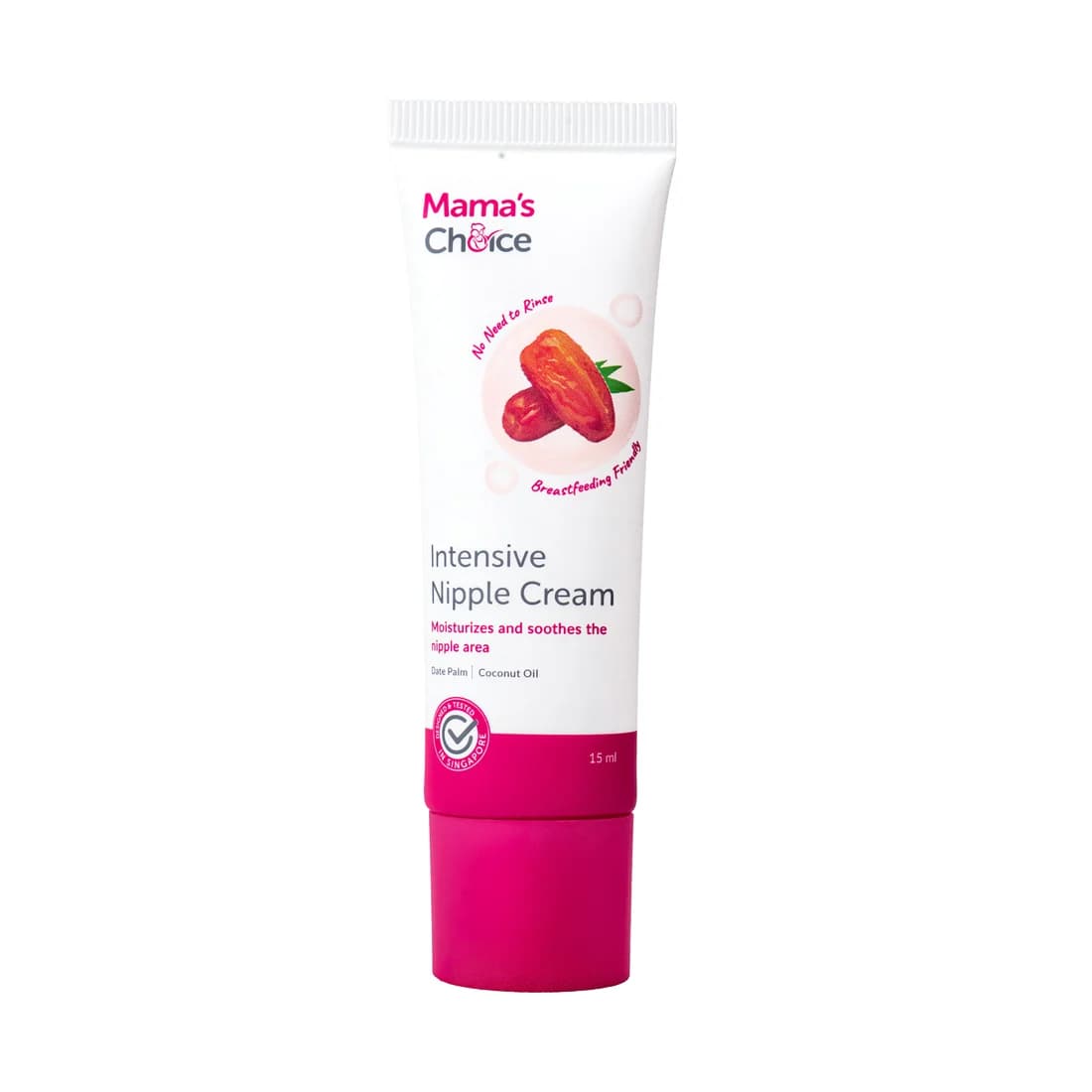
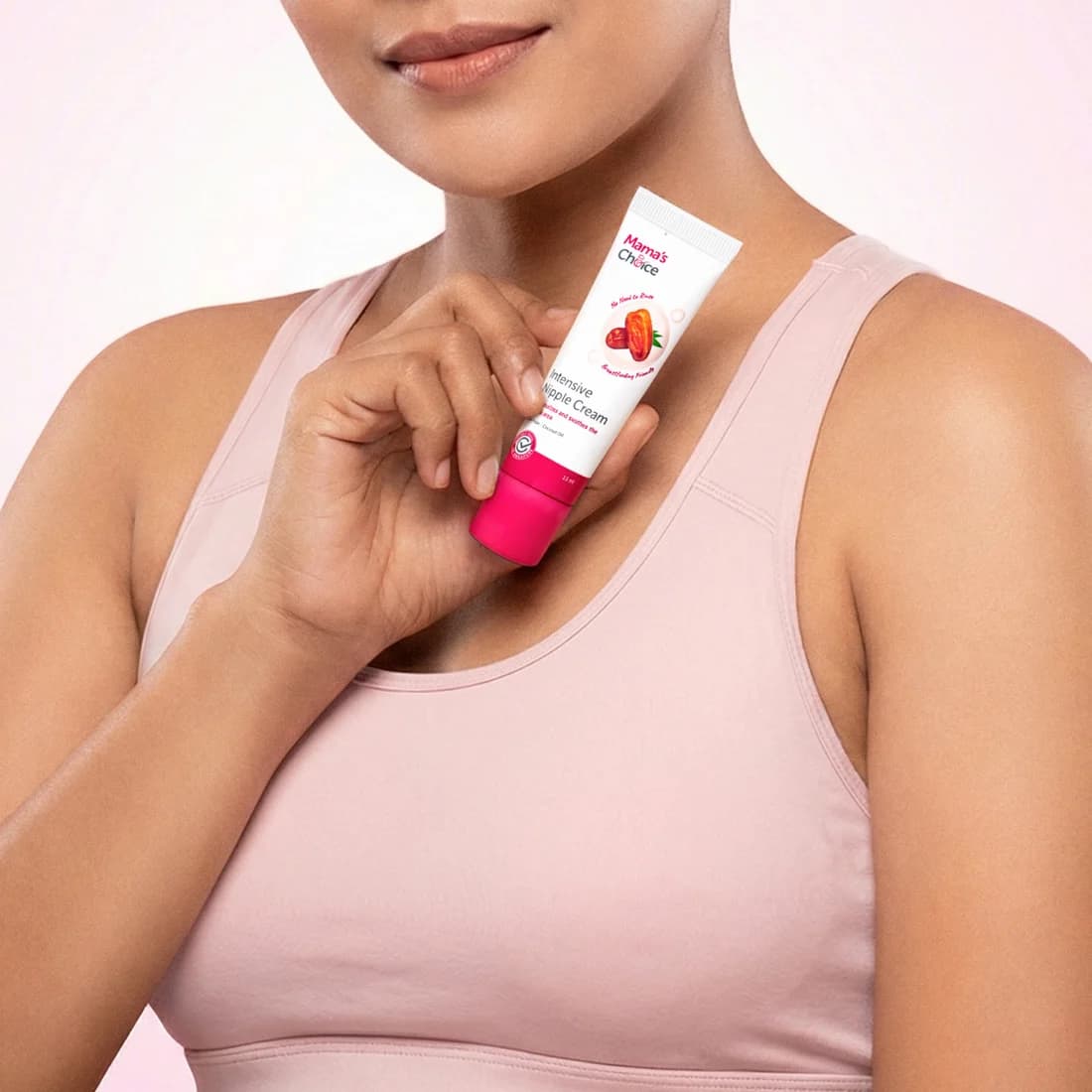
For dry nipple skin we make Mama's Choice Intensive Nipple Cream, a balm of lanolin, shea butter and coconut oil that moisturises and protects the skin from dryness. Our directions say it does not need wiping off before a feed. It cannot correct a latch, so pain that carries on through feeds needs someone to watch one, and a crack that bleeds, weeps or looks infected needs a doctor.
Also read: how to use nipple cream
Stitches, sitting down and the first bowel movement
A tear or an episiotomy is sore for a couple of weeks and the first few days are the worst of it.
- Cold packs for the first day, wrapped, 10 minutes at a time
- Rinse with warm water from a bottle while you pass urine, which dilutes the sting
- Pat dry front to back, and change pads often in this heat
- Sit on one hip, or on a cushion with a gap, rather than squarely
- Pelvic floor lifts as soon as you can manage them, which helps circulation
The first bowel movement frightens almost everyone, and the fear itself causes the problem. Drink more than usual, eat fruit and fibre, and ask for a stool softener rather than straining. Hold a clean pad gently against the stitches for support.
Haemorrhoids are common after pushing and after constipation. A pharmacist at Guardian, Watsons or Unity can recommend a cream, and a lump that is hard, very painful or bleeding needs a doctor.
A caesarean wound in this climate
Abdominal surgery, treated as such. Pain relief on a schedule for the first week rather than when it gets bad, support the wound with your hand when you cough, and roll onto your side to get up instead of sitting straight up.
Singapore adds one specific problem: sweat. A wound under a skin fold in this humidity stays damp, and damp wounds heal slower and itch more.
- Keep the wound clean and dry, and pat rather than rub after showering
- Loose cotton over it, and nothing with a waistband sitting on the scar
- Let it air in an air-conditioned room for a while each day
- Do not put talc, oil or herbal preparations on an unhealed incision
- Itching as it heals is normal, redness spreading outward is not
Go back to your doctor if the wound opens, weeps, smells, becomes hot, or if you have a fever.
What confinement practice helps, and what to leave out
The useful part of confinement is enormous: rest, warm food, somebody else cooking and doing the laundry, and a month where nobody expects you to host.
Some of the rest needs care.
| Practice | Worth knowing |
|---|---|
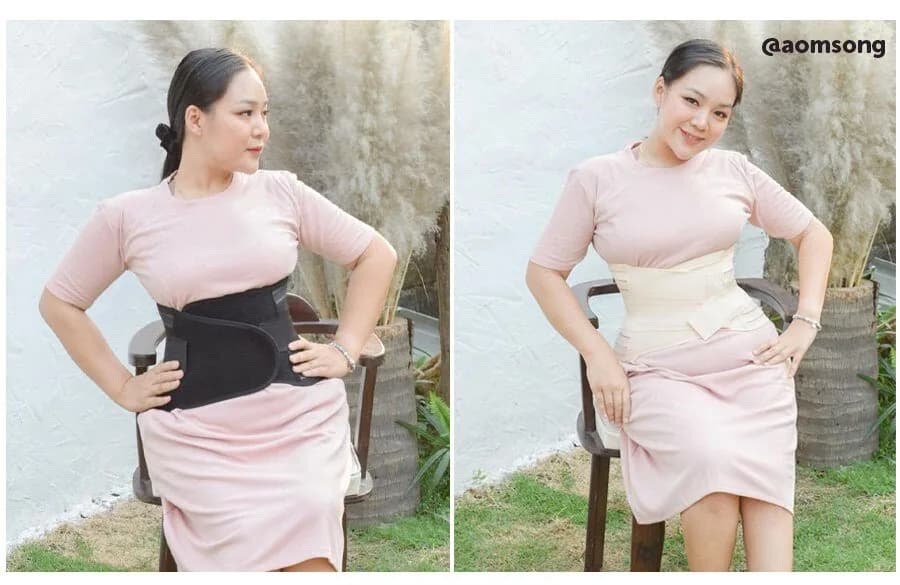
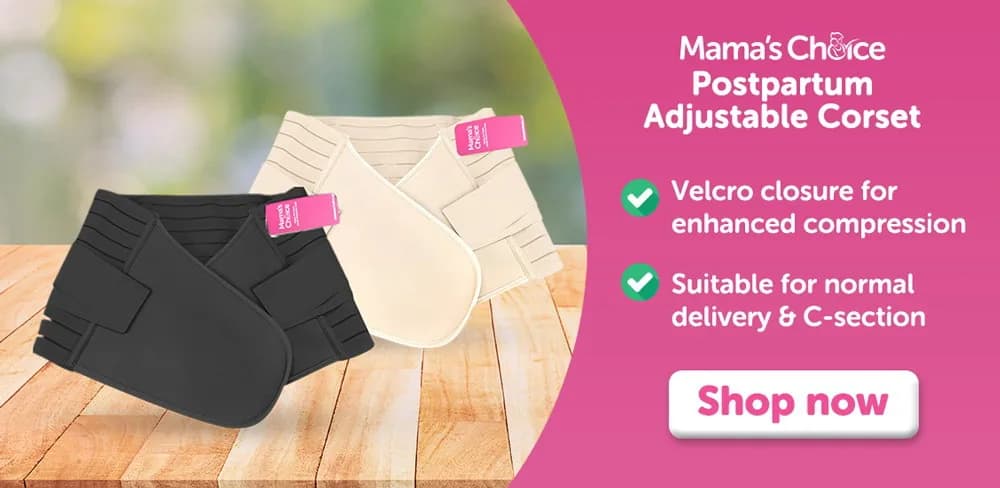
| Abdominal binding | Can feel supportive, does not shrink anything, keep it off a caesarean wound |
| Hot compress on the abdomen | Burn risk on skin numbed by anaesthesia or swelling |
| Herbal baths and vaginal steaming | No evidence of benefit, and a real infection and burn risk near stitches |
| No bathing or hair washing | Not supported, and harder on healing skin in this climate |
| Confinement food | Generally good, as long as you are eating enough and drinking plenty |
A confinement nanny told which parts you want will usually work around the rest without any argument.
Which pains are emergencies?
Go to a hospital accident and emergency department, or call 995 for an ambulance, for any of these. The CDC's maternal warning signs list and ACOG's postpartum guidance both treat them as urgent.
- Bleeding that soaks a pad within an hour, or passing clots bigger than a plum
- A fever, or discharge that smells offensive
- A severe headache, blurred vision or flashing lights, which can mean pre-eclampsia after birth
- Chest pain, breathlessness, or a racing heart at rest
- Pain, swelling or redness in one calf
- A caesarean wound that opens or becomes hot and spreading red
- Any thought of harming yourself or your baby
That last one belongs on the same list as the bleeding. The WHO treats maternal mental health as a core part of postpartum care, and ACOG notes that depression after birth is common and treatable. Tell your obstetrician, your polyclinic doctor or a nurse at your postnatal review, and ask for a referral. KK Women's and Children's Hospital and National University Hospital both have services for mothers.
Also read: postpartum swelling and oedema
Frequently asked questions
- Why do I get cramps when I breastfeed?
- Feeding releases oxytocin, which contracts the uterus back towards its usual size. The cramping is called afterpains, it is strongest in the first few days, and it is usually stronger with a second or third baby than a first.
- Which painkillers can I take while breastfeeding?
- The NHS says paracetamol and ibuprofen can both be taken while breastfeeding at normal doses. Aspirin is avoided. Tell any doctor or pharmacist that you are breastfeeding before you take anything else.
- How do I relieve breast engorgement?
- Feed often, and feed before the breast gets rock hard. Hand express a little to soften the areola so your baby can latch, and use a cold pack between feeds. See a doctor if you get a fever or a red painful area.
- Is an abdominal binder useful after birth?
- It can feel supportive while you move around, and there is no evidence that it shrinks the uterus or the waist. Do not bind tightly over a caesarean wound, and stop if it hurts or makes breathing harder.
- Which symptoms mean I should go to hospital?
- Bleeding that soaks a pad in an hour, a fever, foul-smelling discharge, a severe headache or visual changes, chest pain or breathlessness, calf pain or swelling on one side, and any thought of harming yourself or your baby.
Sources
Share this article
This article is for information only and is not a substitute for diagnosis or medical advice. Please talk to your doctor about your own situation.