
How to care for your intimate area during pregnancy
Why discharge increases in pregnancy, how to wash without upsetting the balance, what to wear in Singapore's heat, and which symptoms need a doctor.
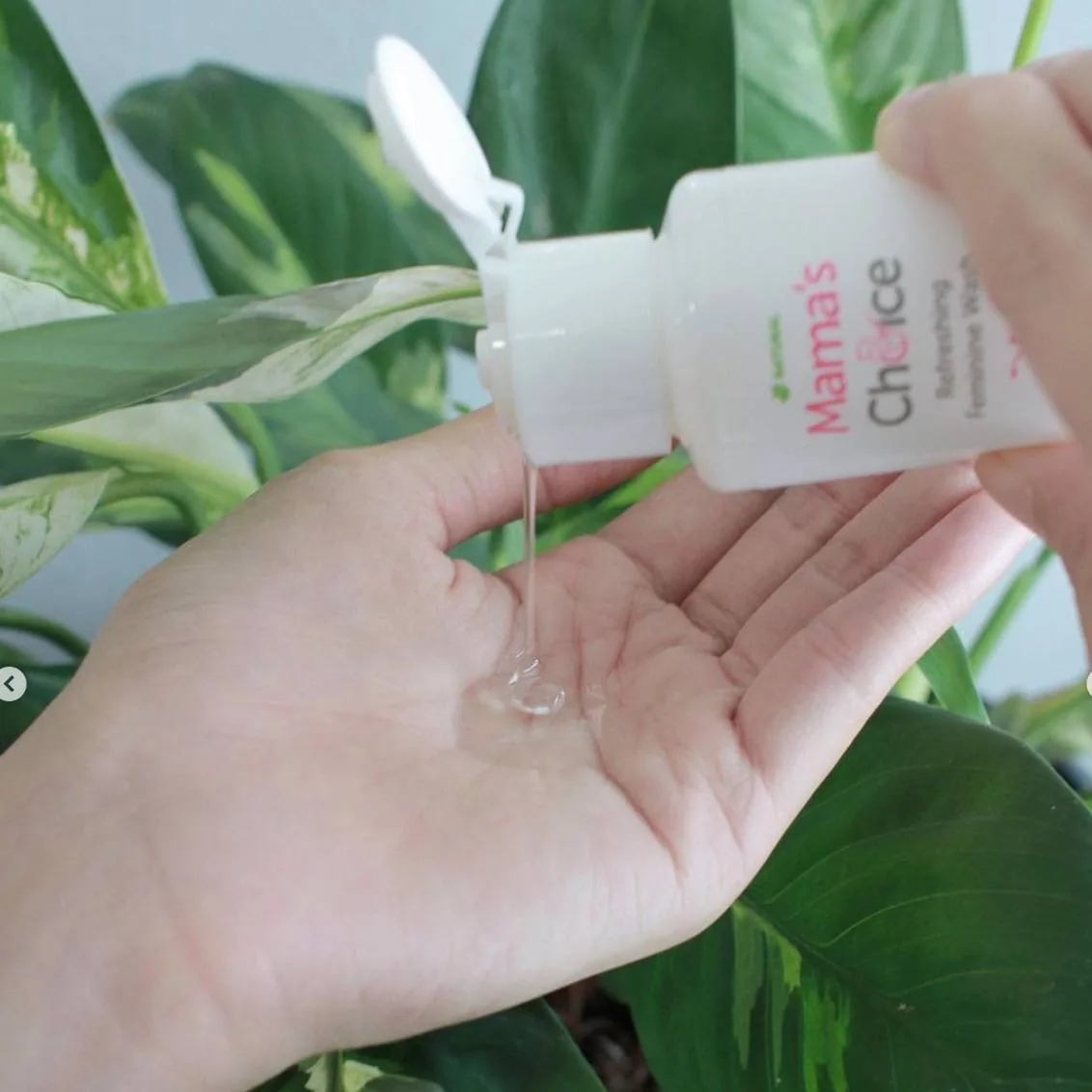
Pregnancy increases discharge, and the NHS treats thin, clear or milky-white discharge with a mild smell as normal. Care means less rather than more: water on the outside, no douching, cotton underwear, and a doctor rather than a pharmacy shelf for anything itchy, coloured or strong-smelling.
What changes in pregnancy?
Blood flow to the pelvis rises and oestrogen climbs, and the result is more discharge from early on. It usually gets heavier as the pregnancy goes.
The NHS describes the normal version as thin, clear or milky-white, with a smell that is mild rather than absent. Many women need a liner by the third trimester, and that is a laundry problem rather than a medical one.
The same hormonal shift changes the vaginal environment in ways that make thrush more likely. Higher glycogen, a slightly different pH, and a climate that keeps you warm and damp all day.
How should you actually wash?
The vagina is self-cleaning. It maintains an acidic environment through its own bacteria, mostly lactobacilli, and washing inside it removes those.
- Wash the vulva, the outside, once or twice a day
- Use plain water, or a mild unperfumed cleanser if you prefer one
- Front to back, every time
- Rinse properly and pat dry
- Skip douches, internal washes, deodorant sprays and scented wipes
Douching is the practice worth naming explicitly, because it is still widely sold. The WHO's account of bacterial vaginosis describes a condition of disrupted vaginal bacteria, and douching is among the things that disrupts them. During pregnancy that matters more, since bacterial vaginosis has been linked to preterm birth.
What to wear in this climate

Singapore does most of the damage through dampness rather than dirt.
Cotton, not synthetic. Breathable fabric lets moisture leave. Nylon and lace hold it against skin.
Loose over tight. Leggings and shapewear in this heat create a sealed warm pocket, which is where yeast does well.
Change after you sweat. A spare pair of underwear in your bag sounds excessive until you have walked from an MRT station at 2pm.
Unscented liners, changed often. A liner left on all day in the heat is worse than no liner. Scented ones are a common cause of irritation.
Sleep without underwear if you are comfortable doing so. Air overnight helps.
Also read: staying comfortable during pregnancy
Thrush, bacterial vaginosis, and telling them apart
| Thrush | Bacterial vaginosis | |
|---|---|---|
| Discharge | Thick, white, often like cottage cheese | Thin, grey or white |
| Smell | Little or none | Strong, fishy, worse after sex |
| Itch | Prominent, with soreness | Usually mild or absent |
| Stinging passing urine | Common | Less common |
| Treatment in pregnancy | A pessary or cream your doctor chooses | Antibiotics prescribed by a doctor |
The NHS is explicit about not self-treating thrush while pregnant, because the oral tablet that works outside pregnancy is avoided during it. A pharmacist at Guardian, Watsons or Unity will tell you the same and send you to a doctor.
Trichomoniasis, which can look like either, and sexually transmitted infections need testing rather than guessing. A swab at a polyclinic, your GP or the antenatal clinic settles it, and both KK Women's and Children's Hospital and National University Hospital run those clinics.
Also read: how to stop vaginal itching
Pubic hair, waxing and shaving
ACOG's position is that this is a grooming choice, with no health benefit either way, and some real risks from the removal itself: razor burn, ingrown hairs, folliculitis and small cuts that can become infected.
In pregnancy, two practical points. Reaching gets harder, so nicks are more likely, and skin is more sensitive, so wax that was fine before can sting now. If you shave, do it with the hair growth, on damp skin, with a fresh blade.
You do not need to shave for delivery. Hospitals here generally do not require it, and the staff have seen everything.
Which confinement practices to skip
Rest, warm food, somebody else handling the cooking and the laundry: confinement at its best is an excellent idea and most cultures should have invented it.
Vaginal steaming and herbal washes are the part to leave out. No health authority recommends them, there is no evidence they cleanse or tighten anything, and steam directed at tissue that is healing from a tear or an episiotomy risks burns on top of infection. The same goes for inserting herbal preparations.
Say no to that one specifically, and keep everything else. A confinement nanny who is told which parts you want will usually work around it without fuss.
When should you call your doctor?
Contact your doctor or go to the hospital the same day if you have:
- Any vaginal bleeding
- A sudden gush or steady trickle of clear fluid, which may be your waters
- Pain low in the abdomen, or a fever
Book an appointment soon, within a day or two, if you have:
- Green, grey or yellow discharge, or a strong smell
- Itching with soreness, swelling or stinging when you pass urine
- Discharge that changes suddenly after a period of being stable
Ask about Group B Streptococcus screening at your antenatal visits too. It is usually done late in pregnancy, it is a swab, and it changes what happens in labour if it is positive.
Antenatal visits here can be paid for through the MediSave Maternity Package, which covers pre-delivery expenses up to a set limit as well as the delivery itself, so a swab is not a reason to wait and see.
Frequently asked questions
- Is more discharge normal in pregnancy?
- Yes. The NHS describes an increase in thin, clear or milky-white discharge with a mild smell as normal from early pregnancy onwards. A change in colour, a strong smell, itching or soreness is what needs checking.
- Should I use a feminine wash?
- The vagina cleans itself and does not need washing inside. Water, or a mild unperfumed cleanser on the outside only, is enough. Douching is advised against because it disrupts the bacteria that keep the balance.
- Can I treat thrush myself while pregnant?
- Speak to a doctor first. The NHS advises against self-treating thrush in pregnancy, because the oral tablet usually used is avoided and the right treatment is a pessary or cream your doctor chooses.
- Why does everything feel damper in Singapore?
- Heat and humidity mean you sweat into your underwear all day, and damp fabric against skin encourages yeast. Cotton, a change of underwear after a sweaty commute, and unscented liners changed often deal with most of it.
- Is vaginal steaming safe after birth?
- No health authority recommends it. Steam near healing tissue risks burns and infection, and there is no evidence it cleanses or tightens anything. Rest, warmth and proper wound care do the job instead.
Sources
Share this article
This article is for information only and is not a substitute for diagnosis or medical advice. Please talk to your doctor about your own situation.