
Good foods for breastfeeding Mamas in Singapore
What the evidence actually supports about lactation foods, seven worth keeping in the kitchen, and how confinement cooking in Singapore fits in.
Your milk stays nutritionally suitable across a wide range of diets, so eating well while breastfeeding is mostly about you. Protein, iron, fluids and enough calories keep your energy up through the night feeds. Food does far less to supply than frequent, effective milk removal does.
Do you need a special breastfeeding diet?
No. Guidance from the World Health Organization and from the NHS both describe breast milk as remarkably stable, holding up on diets that vary enormously across the world.
That is reassuring, and it also redirects the question. A few nutrients in milk, such as iodine, DHA and some B vitamins, do follow what you eat, which is one more reason to keep your diet varied. The reason to eat properly in the first few months is that you are recovering from the birth, possibly still bleeding a little, and sleeping in ninety-minute pieces.
You will feel hungrier than usual. Keeping something edible within arm's reach of wherever you feed is more useful than any recipe.
What does the evidence say about milk-boosting foods?
Less than the shelves suggest.
A Cochrane review of oral galactagogues in mothers of healthy, full-term babies looked at the herbal and food-based products sold for supply and found the trials small, mixed in quality and inconsistent in result. No clear recommendation came out of it.
So read the list below as good food rather than medicine. Supply responds to how often and how well milk leaves the breast, which is what our guide to boosting breast milk supply naturally is about.
Seven foods worth keeping in the kitchen
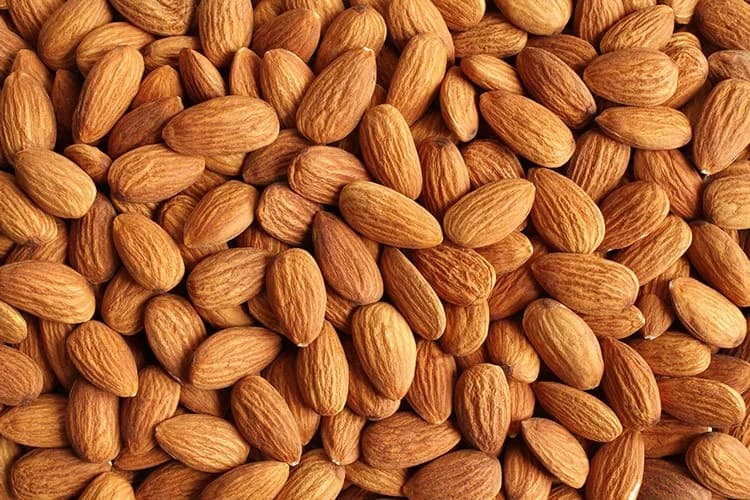
Almonds and other nuts
Dense in energy, protein and unsaturated fat, which is exactly what a one-handed snack at 3am should be. Keep a jar beside the nursing chair.
Green papaya
A staple of confinement cooking across Singapore and Malaysia, usually simmered with fish into a soup. It is cheap at any wet market, it is gentle on a tender stomach, and the broth helps with fluids.
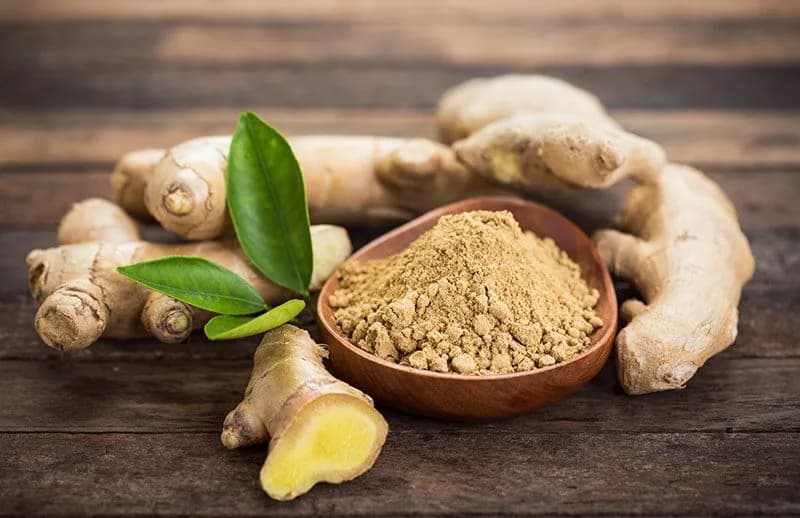
Ginger
Warming, easy on nausea, and already in half the dishes you cook. Sesame oil chicken with plenty of ginger is a confinement standard for good reason.
Katuk leaves
Sold here as sayur manis or cekur manis and common in Malay and Chinese cooking. Eat it cooked, in soup or a stir fry, in ordinary portions. Large amounts of raw katuk juice, drunk as a diet juice in Taiwan in the 1990s, were linked to serious lung damage, so leave it out of raw juices and smoothies. Older claims about a measurable jump in milk volume after a set number of days do not hold up to scrutiny, so eat it as a vegetable.
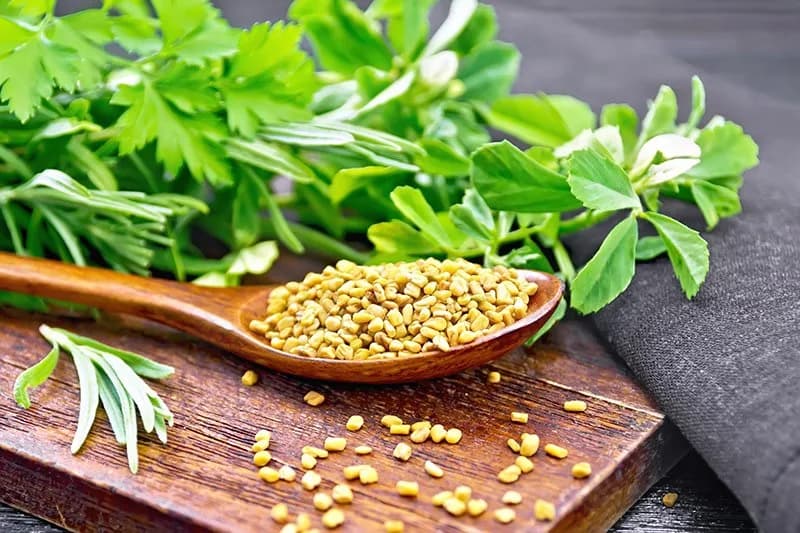
Fenugreek
The most studied of the lot and still unresolved. Some mothers notice a difference and some notice only the smell on their skin. As a seasoning it is ordinary food. In supplement doses it can upset the stomach and lower blood sugar, so ask your doctor first if you have diabetes, take blood thinners or are allergic to peanuts or chickpeas. Our piece on fenugreek and milk supply goes through what the trials actually found.
Dates
Potassium, magnesium, some iron and quick energy. Red date tea, made from jujubes rather than the dates above, turns up on many confinement menus in Singapore, and it is a pleasant way to drink more.
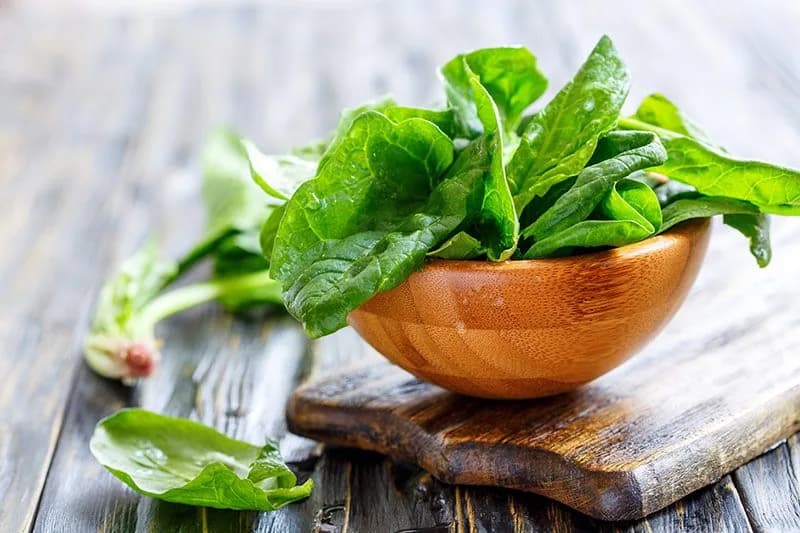
Dark leafy greens
Spinach, kailan, chye sim. Iron, folate, calcium and vitamin K, and most of it survives a quick stir fry with garlic.
Where to buy them in Singapore
| What you need | Where it is easiest |
|---|---|
| Green papaya, katuk, local greens | Wet markets at Tekka, Geylang Serai, Chinatown Complex |
| Dates, red dates, dried longan | Supermarket baking aisle, or any Indian or Chinese provision shop |
| Fenugreek seeds | Indian provision shops along Serangoon Road |
| Nuts in bulk | NTUC FairPrice, Sheng Siong, Mustafa |
| Lower-mercury fish | Salmon, sardines and ikan bilis at any wet market or supermarket |
Frozen greens and frozen fish are fine. A freezer full of food you will actually cook beats a fridge full of good intentions wilting by Thursday.
Confinement food, and what to keep from it
Confinement cooking gets the broad strokes right. Warm, iron-rich, protein-heavy dishes suit a body recovering from delivery, and having someone else cook them matters more than the ingredients.
The restrictions are the problem. Avoiding fruit, raw vegetables and cold water makes it harder to eat enough fibre and drink enough, at the point when constipation is already miserable. HealthHub, the Ministry of Health's public portal, takes the ordinary healthy-eating line for the postpartum weeks: a spread of vegetables, fruit, wholegrains and protein, with fluids to thirst.
If your confinement nanny cooks to a fixed list, ask for fruit and plain water alongside it. Most will oblige.
What to limit
Caffeine. The Centers for Disease Control and Prevention treats moderate intake as compatible with breastfeeding, with about 300 mg a day as the usual ceiling. That is roughly a couple of kopi, depending on the stall.
High-mercury fish. The Food and Drug Administration advises avoiding shark, swordfish, king mackerel and marlin while pregnant or breastfeeding, and eating 2 to 3 servings a week of lower-mercury species instead. Salmon, sardines and ikan bilis are easy choices here.
Alcohol. Not drinking is the safest choice while breastfeeding. If you do have a drink, the CDC suggests waiting at least two hours per drink before the next feed.
Anything you suspect. Babies occasionally react to something in the diet, and the way to find out is to drop one food for a fortnight rather than six at once, and to check with your doctor before cutting out a whole food group. Our list of foods to watch while breastfeeding covers the usual suspects.
When food is not the problem
A mother eating beautifully can still have a baby who is not gaining. That is a latch and transfer question, not a kitchen question.
Weight gain off track, fewer than six wet diapers a day, or feeds that run an hour and end in tears all point to the same place. Call the lactation service at KK Women's and Children's Hospital or the National University Hospital, or ask your polyclinic for a referral. Both see mothers well after discharge.
Exhaustion deserves the same attention. Our guide to sleep deprivation while breastfeeding covers what helps and what does not.
Frequently asked questions
- Do I need a special diet to make good breast milk?
- No. Guidance from the World Health Organization and the NHS both describe breast milk as remaining nutritionally suitable across a wide range of maternal diets. Eating well matters for your own energy and recovery more than for the composition of the milk.
- Do lactation foods really increase supply?
- The evidence is weaker than the marketing suggests. A Cochrane review of oral galactagogues in mothers of healthy term babies found the trials small and inconsistent, with no clear conclusion. Frequent, effective milk removal remains the reliable lever on supply.
- How much coffee can I drink while breastfeeding?
- The US Centers for Disease Control and Prevention describes moderate caffeine intake as compatible with breastfeeding, with roughly 300 mg a day as the usual ceiling. A kopi at the hawker centre and a teh in the afternoon sit inside that for most mothers.
- Which fish should I limit?
- The US Food and Drug Administration advises those who are pregnant or breastfeeding to avoid the highest-mercury species, including shark, swordfish, king mackerel and marlin, while eating 2 to 3 servings a week of lower-mercury fish. Salmon, sardines and anchovies (ikan bilis) are in the lower group.
- Is confinement food worth following?
- Parts of it are. Confinement cooking leans on warm, iron-rich and protein-rich dishes at a point when you are recovering from blood loss and barely sleeping. The restrictions on fruit, vegetables and plain water have no evidence behind them and make it harder to eat enough.
Sources
- Cochrane Library — oral galactagogues for increasing breast milk production in mothers of non-hospitalised term infants
- World Health Organization — breastfeeding and maternal nutrition
- Centers for Disease Control and Prevention — maternal diet and caffeine while breastfeeding
- US Food and Drug Administration — advice about eating fish for those who are pregnant or breastfeeding
- NHS — breastfeeding and diet
- HealthHub (Ministry of Health Singapore) — healthy eating after delivery
Share this article
This article is for information only and is not a substitute for diagnosis or medical advice. Please talk to your doctor about your own situation.