
What food to avoid when you are breastfeeding
The avoid list for breastfeeding is far shorter than the pregnancy one. What alcohol, kopi and mercury need, and where the confinement diet fits.
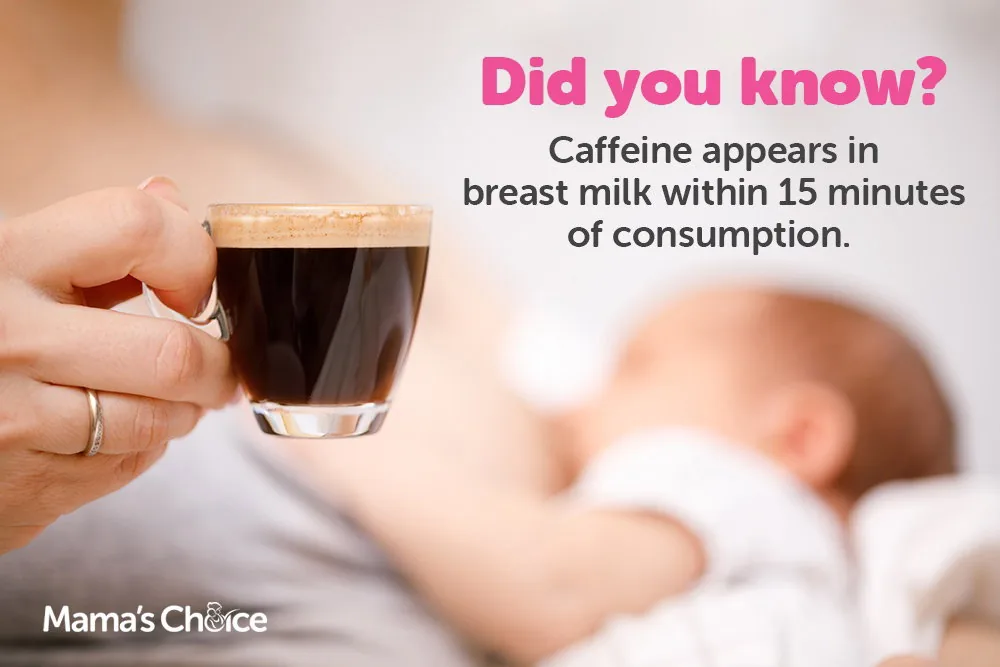
The list of foods to avoid while breastfeeding is far shorter than the pregnancy one. Alcohol, caffeine and high-mercury fish are what the health authorities actually name. Most of the rest, including much of what you will hear during confinement, is cultural rather than clinical. Eat well and eat normally.
Why is the breastfeeding list so much shorter?
Breast milk is made in the breast from what is circulating in your blood. La Leche League International makes this point plainly, and it is the reason the rules relax after delivery. A listeria risk in raw fish matters during pregnancy because the bacteria can reach the baby directly. After birth that pathway is gone.
So the pregnancy list retires with the bump. If you want the comparison, our guide to foods to avoid during pregnancy is the long version.
What replaces it is a much smaller set of things that genuinely pass into milk in amounts worth thinking about, plus a very large set of things people will tell you anyway.
| Commonly banned | What the listed authorities say |
|---|---|
| Alcohol | Real. Passes into milk, and timing matters |
| Caffeine | Real in large amounts, fine in moderate ones |
| Shark, swordfish, king mackerel and similar | Real. The FDA names these as choices to avoid |
| Cabbage and "windy" vegetables | No authority on our list names them |
| Peppermint, parsley and sage | No authority on our list names them |
| Cold drinks | No authority on our list names them |
| Spicy food | The NHS says to carry on eating your usual food |
How much alcohol is safe while breastfeeding?
The CDC's guidance starts with the plain version: not drinking alcohol is the safest option. From there it says that moderate consumption of up to one standard drink a day is not known to harm a breastfed baby, provided you wait at least two hours after that drink before you feed.
Two hours is not a detox. It is simply how long it takes for the alcohol level in your blood, and so in your milk, to come down. Expressing and throwing the milk away does nothing to speed it up.
The local wrinkle is confinement cooking. Sesame oil chicken, mee sua and several other dishes a nanny will make are cooked with rice wine, and in the first month you may be eating them daily. Cooking removes a good deal of the alcohol and it does not remove all of it. If wine-cooked dishes are appearing at every meal, ask for a lighter hand, or for some of them to be made without.
How much kopi is too much?
Caffeine does cross into breast milk. The CDC describes moderate intake, around 300 milligrams a day or less, as not causing harm to most breastfed infants.
Counting that in Singapore is the hard part. A kopi O kosong from the coffee shop downstairs is strong, the brew varies by stall, and nobody is printing milligrams on the cup. Teh counts too, as does a cola at dinner.
Watch the baby instead of the cup. A newborn who is wired, fussy and will not settle after a day when you had four kopis is telling you something. Younger babies clear caffeine more slowly than older ones, so the same amount that was fine at six months may be too much in week two.
Which fish carry too much mercury?
Mercury accumulates in large, long-lived predatory fish, and it passes into breast milk. The FDA's advice about eating fish names shark, swordfish, king mackerel, tilefish, marlin, orange roughy and bigeye tuna among the choices to avoid.
At a wet market, names are the problem. One sign can cover several species, and "batang" or "tenggiri" at one stall may be a different fish from the next stall's. Ask. If the answer is vague and the fish is large and predatory, choose something else.
The reassuring half of this is that most of what Singaporeans actually eat is fine. Prawns, squid, salmon, sardines, ikan bilis and tilapia all sit in the FDA's best choices group, and fish is worth keeping in your diet rather than dropping out of caution. Our list of foods that are good for breastfeeding mothers covers what to put back in.
What about the confinement diet?
Confinement food is one of the warmest parts of becoming a mother here, and it deserves better than a shrug. Someone is cooking for you every day for a month. That alone is worth a great deal when you are not sleeping.
The system runs on heating and cooling foods, and none of the health authorities cited on this page address that framework at all. Absence of evidence works both ways. Nothing says ginger, sesame oil chicken or pig trotter vinegar harms your milk, and nothing says they improve it either.
Red date tea is a good example. It is warm, caffeine-free and hydrating, and plenty of mothers find it comforting. Drink it because you like it.
Where confinement diets cause real trouble is at the edges. A month of almost no vegetables and very little fluid is genuinely hard on a recovering body, and HealthHub, the Health Promotion Board's health portal, sets out ordinary balanced-diet advice for breastfeeding mothers rather than anything exotic. Heavy ginger gives some mothers heartburn on top of everything else. A diet that leaves you constipated and miserable at week two is not serving you, whatever the tradition behind it.
You can negotiate. Keeping most of the confinement menu and adding a plate of greens and more water is a conversation, and a reasonable nanny will have had it before.
Do cold drinks or certain vegetables spoil the milk?
Milk leaves your body at body temperature no matter what you drank. An iced Milo does not cool it down.
The vegetable question is more interesting, because some mothers really do notice a pattern. Babies vary, and a food that bothers one baby does nothing to the next. What does not hold up is a blanket list handed to every mother.
If you suspect something, test it properly. Remove one food, keep it out for a fortnight, then put it back and watch. Cutting out ten foods at once tells you nothing and leaves you eating rice and plain chicken while your supply needs the opposite. Persistent crying usually has nothing to do with your diet, and our piece on colic and how to settle it covers the more likely explanations.
Why peppermint, sage and cabbage are not on this list
Older lists, including an earlier version of this page, told mothers to avoid peppermint, parsley, sage and cabbage. None of the authorities listed at the foot of this page names them, and an unsourced prohibition does more harm than good when a mother is already being handed a dozen of them. If you take large amounts of any herb as a tea or supplement, ask your doctor or a lactation consultant first.
Processed food is not on the list either. Eating well matters for how you feel, and that belongs in advice about your own recovery rather than in a list of things that will reach your baby.
When a food is genuinely the problem
- Blood or mucus in your baby's stools
- A rash or eczema that flares in a repeatable pattern after particular feeds
- Vomiting that is forceful and happens after most feeds
- Poor weight gain alongside any of the above
Those need a polyclinic doctor or a paediatrician rather than an elimination diet you design yourself. Cow's milk protein allergy is the usual suspect, and taking dairy out of your own diet without supervision is a slow way to get an unreliable answer.
Between now and that appointment, eat. The World Health Organization recommends exclusive breastfeeding for six months, and nobody sustains that on congee and anxiety. If your supply is the worry rather than your baby's tummy, start with our guide to building milk supply naturally.
Frequently asked questions
- Do I have to avoid spicy food while breastfeeding?
- No general rule says so. The NHS guidance on breastfeeding and diet is that you can carry on eating the food you normally eat, and babies meet a range of flavours through milk. If one dish reliably upsets your baby, take that one thing out for a fortnight and put it back to check.
- How long after a drink can I breastfeed?
- The CDC's position is that not drinking alcohol is the safest option, and that moderate drinking of up to one standard drink a day is not known to harm a breastfed baby if you wait at least two hours after that drink before feeding. Alcohol in milk tracks alcohol in your blood. Only time clears it.
- Can I still drink kopi?
- Yes, in moderation. The CDC describes moderate caffeine intake, around 300 milligrams a day or less, as not causing harm to most breastfed babies. A local kopi is strong and nobody measures it, so watch your baby rather than counting cups.
- Which fish should I skip at the wet market?
- The FDA's advice about eating fish names shark, swordfish, king mackerel, tilefish, marlin, orange roughy and bigeye tuna among the choices to avoid. Ask the fishmonger what the fish actually is, because market names cover several species. Prawns, squid, salmon, sardines and ikan bilis sit in the FDA's best choices group.
- Does red date tea increase milk supply?
- None of the health authorities cited on this page says that it does. It is warm, caffeine-free and hydrating, and there is no reason to turn it down if you enjoy it. Think of it as a comfort rather than a supply aid.
Sources
- CDC — Alcohol, caffeine and maternal diet while breastfeeding
- FDA — Advice about eating fish
- NHS — Breastfeeding and diet
- La Leche League International — Maternal diet and breast milk
- WHO — Infant and young child feeding recommendations
- HealthHub (Health Promotion Board) — Nutrition for breastfeeding mothers
Share this article
This article is for information only and is not a substitute for diagnosis or medical advice. Please talk to your doctor about your own situation.