How to choose the right face wash for your skin type
How to tell your skin type, which cleanser suits it, what pregnancy and Singapore's climate change about the routine, and what the label claims mean.
Wash your face, put nothing on it, and look again an hour later. Shine everywhere means oily, shine on the nose and forehead only means combination, tightness means dry, stinging means sensitive. The American Academy of Dermatology advises washing morning, night and after sweating, which in Singapore comes up often.
How do you work out your skin type?
The bare-faced test is the only one you need, and it costs nothing.
Cleanse with the plainest thing you own. Apply no toner, no serum, no moisturiser. Sit in an air-conditioned room for an hour and then look in a mirror in daylight.
- Shine across cheeks, nose and forehead, with visible pores: oily
- Shine on the nose and forehead, normal or tight cheeks: combination
- Tight, rough or flaking anywhere: dry
- Pink, itchy or stinging after a mild cleanser: sensitive
- None of the above, comfortable: normal
Skin type also moves. Pregnancy, a new workplace with aggressive air-conditioning, a course of acne treatment and a change of climate all shift it, so retest rather than assuming the answer you got at twenty still holds.
Which face wash suits which skin?
| Skin type | Look for | Avoid |
|---|---|---|
| Dry | Cream or milk texture, non-foaming, added humectants | Foaming sulfate cleansers, hot water |
| Oily | Light gel, a gentle foaming cleanser | Scrubs, alcohol-heavy astringents, washing more than twice |
| Sensitive | Short ingredient list, fragrance-free, no exfoliating acids | Fragrance, essential oils, grainy exfoliants |
| Combination | A mild gel used all over, richer moisturiser on the cheeks | Two different cleansers for one face |
| Normal | Whatever leaves skin comfortable | Changing products for the sake of it |
The American Academy of Dermatology's advice cuts across all of them: a gentle, non-abrasive cleanser, applied with your fingertips rather than a cloth or a brush, lukewarm water, and a pat dry.
Stripping is a common mistake in an oily-skin routine. Skin that feels squeaky after washing has lost its surface lipids, which tends to leave it tight and irritated. Comfortable, not squeaky, is the target.
What changes in pregnancy?
Several things at once, and most of them settle afterwards.
Oil production often rises, so skin that behaved for years can break out. Pigmentation darkens, which is why melasma and a darker line down the abdomen appear. Skin also becomes more reactive, so a product used for years can start to sting.
Retinoids come out of the routine. The American Academy of Dermatology advises against them in pregnancy, and that includes the over-the-counter kind. Strong chemical peels and high-strength acids are worth pausing too, and your doctor or a dermatologist can tell you what is reasonable to keep.
What the routine should gain instead is sun protection and gentleness. Pigmentation driven by hormones gets worse with equatorial sun, and shade plus a hat does more for melasma than any cleanser will.
Also read: facial skin problems during pregnancy

Why does Singapore's climate change the routine?
Two opposite problems in the same day. Outside, heat and humidity mean sweat, sunscreen and sebum sitting on the skin. Inside, air-conditioning pulls moisture out of it.
So the pattern that works here is a mild cleanser used more often rather than a strong one used twice, followed by a moisturiser light enough that you will actually wear it in this weather.
Haze season adds a reason to wash when you get home. Fine particulate settles on skin and gets rubbed in, and a plain rinse deals with most of it.
A short routine for this climate looks like:
- A gentle cleanse in the morning
- Sunscreen, reapplied if you are out across the middle of the day
- A rinse or cleanse when you get home sweaty
- A proper cleanse at night to remove sunscreen
- A light moisturiser while the skin is still slightly damp
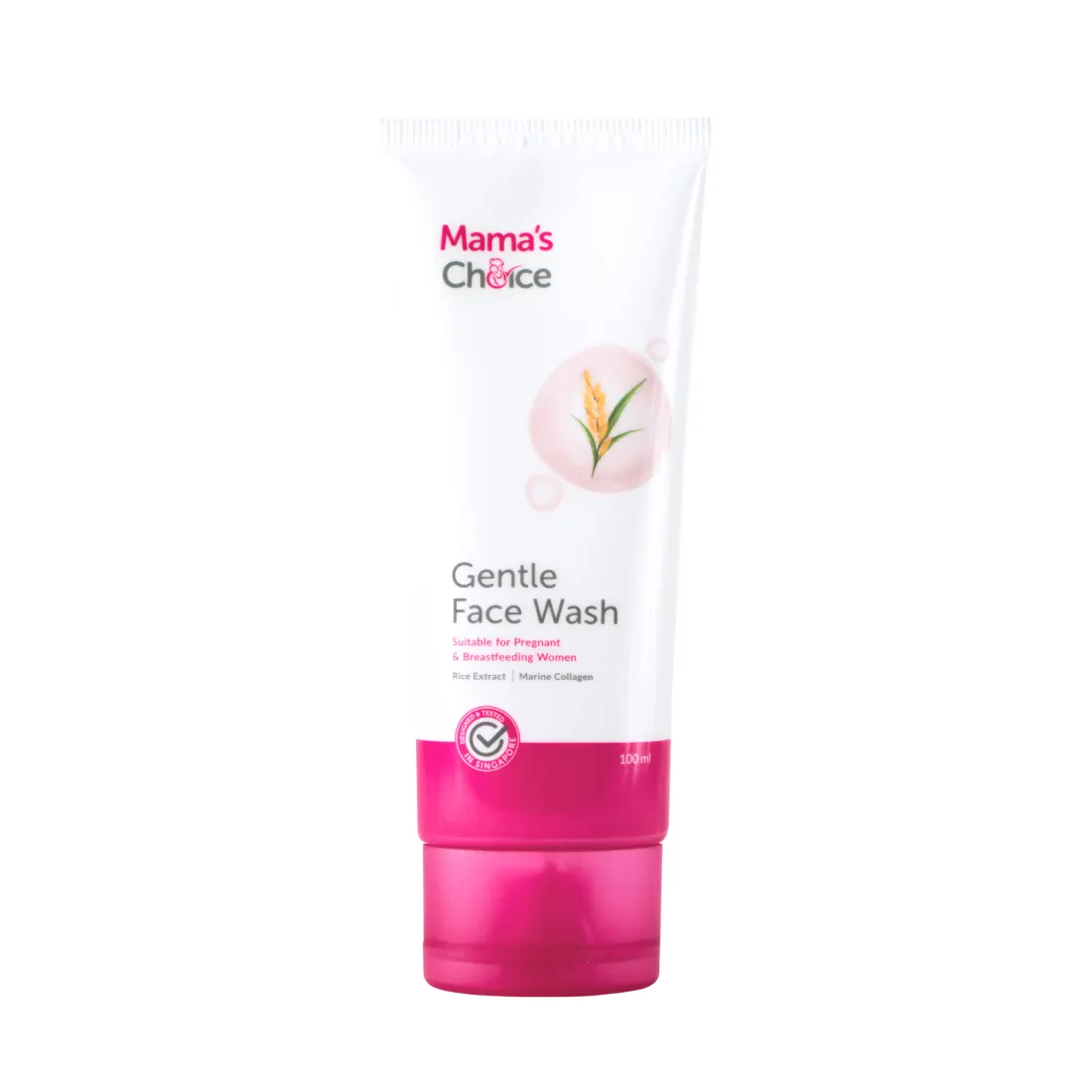
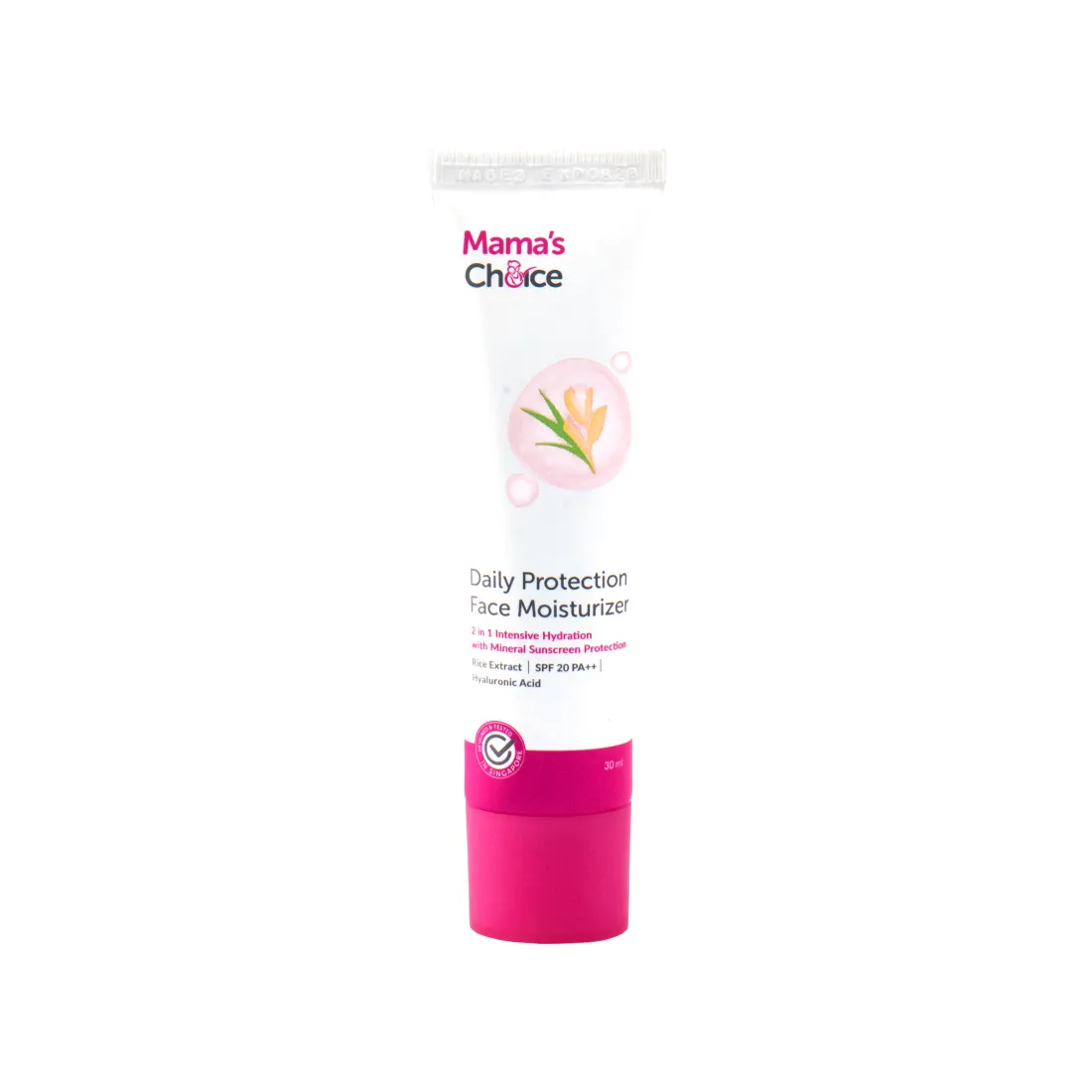
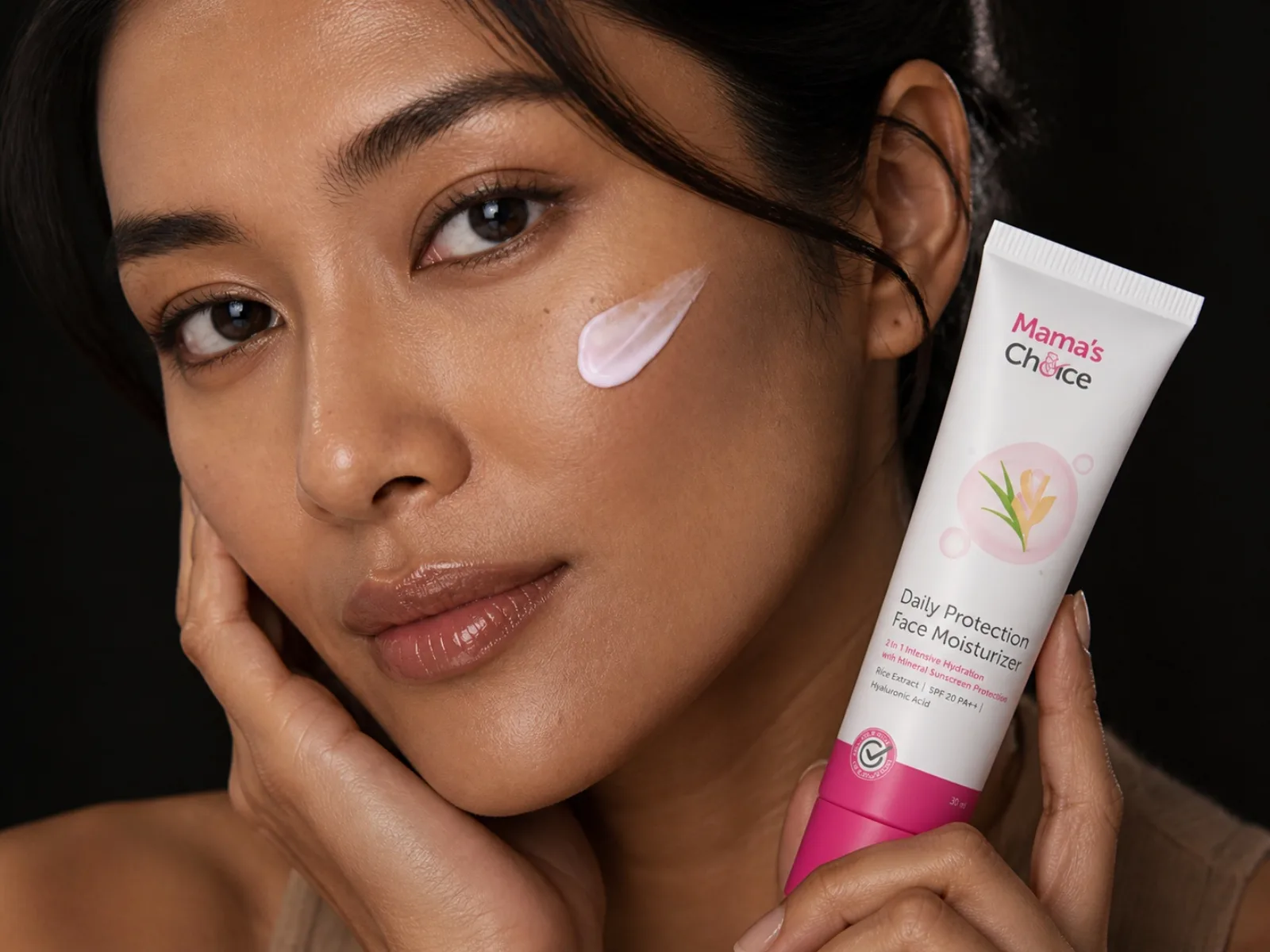
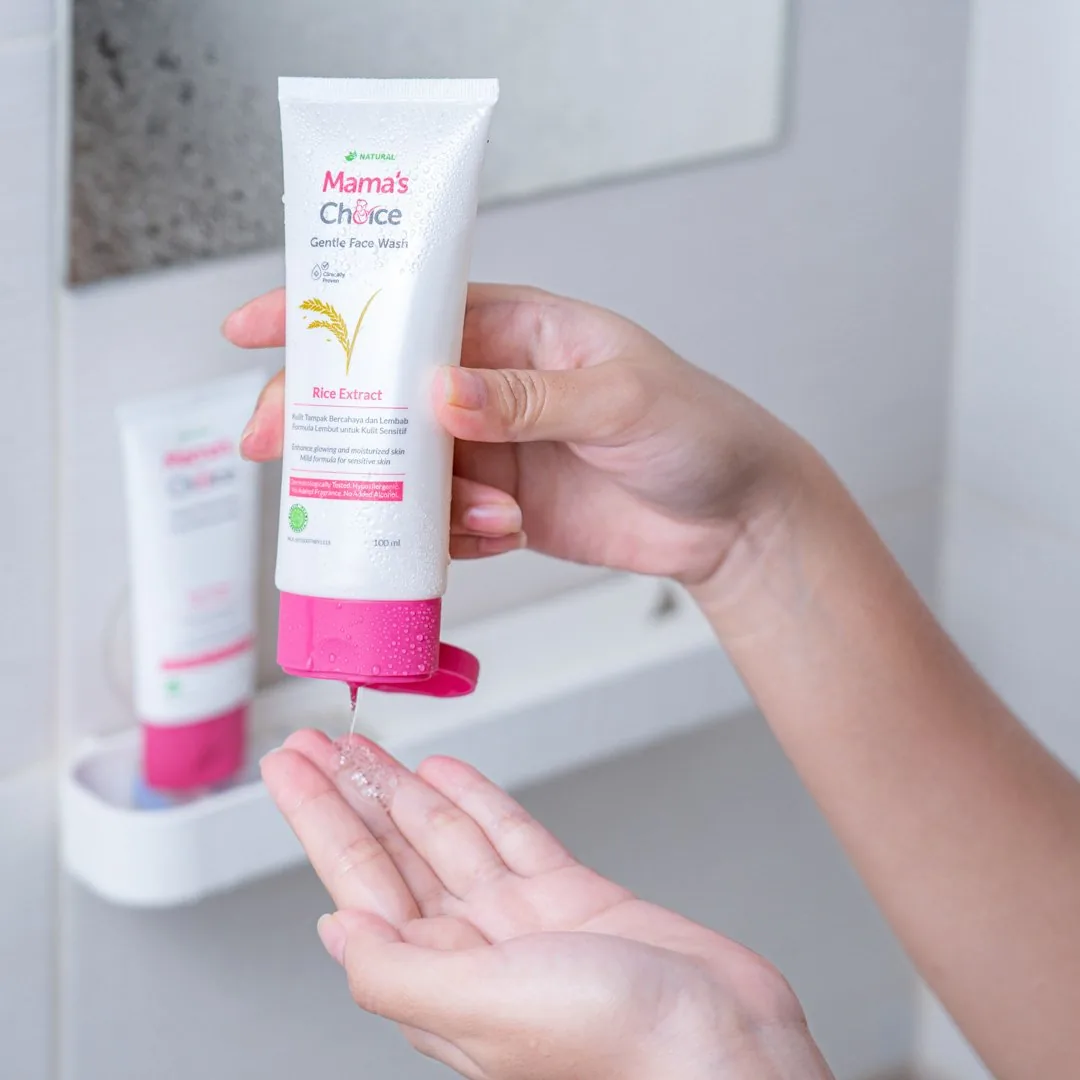
Mama's Choice Gentle Face Wash is the cleanser we make for this. It is a clear gel with glycerin and niacinamide, made without sulfates, added fragrance or retinoids, and formulated with pregnant and breastfeeding mothers in mind. In a repeat patch test on 49 adults (SKINPROOF, Jakarta, 2020), no irritation or sensitisation was recorded, though no patch test can rule out a reaction in everyone. It is not a makeup remover, so take makeup off first. Pair it with something undemanding afterwards, which for us is Mama's Choice Face Moisturizer, a light moisturiser with SPF 20 PA++ (medium protection).
How do you read the label?
Some claims mean something and some do not.
"Hypoallergenic" has no standard test behind it, as the FDA sets out plainly. Treat it as a statement of intent.
"Fragrance-free" and "unscented" are different. Unscented can mean a masking fragrance was added to cover a raw smell.
"Dermatologically tested" tells you a test happened, not what the result was or how large it was.
"Alcohol-free" has a narrow regulatory meaning. The FDA notes it refers to ethyl alcohol, and a product can be alcohol-free while containing other alcohols such as cetyl alcohol, which is an emollient.
A full ingredient list is the one thing worth more than all of the above.
In Singapore, cosmetic products must be notified to the Health Sciences Authority before supply, and the company stays responsible for safety. Notification is a filing rather than an approval, which is why HSA keeps publishing alerts about illegal creams found to contain mercury or potent steroids. The FDA has documented mercury poisoning traced to skin products as well. Buy from Guardian, Watsons, Unity or a retailer you can go back to, rather than an unnamed overseas seller.
Also read: is niacinamide safe in pregnancy
How to wash your face properly
Lukewarm water, never hot. Fingertips, about 20 seconds, no scrubbing. Rinse fully, including the jawline and hairline where cleanser collects. Pat dry with a clean towel rather than rubbing.
Then moisturise within a few minutes, while the skin still holds water from the rinse.
Also read: how to properly wash your face
When should you see a doctor?
Make an appointment at a polyclinic or with your GP if you have painful cystic spots, a rash that spreads past the face, sudden severe itching, or pigment changes that keep darkening despite sun protection.
Severe itching in pregnancy deserves prompt attention rather than a new cleanser, because it can point to a liver condition that needs testing. Your doctor can refer you on to the National Skin Centre or a hospital dermatology service.
Frequently asked questions
- How do I work out my skin type?
- Wash with a plain cleanser, apply nothing, and look at your face about an hour later. Shine across the whole face means oily, shine only on the nose and forehead means combination, tightness or flaking means dry, and redness after a mild product means sensitive.
- How often should I wash my face?
- The American Academy of Dermatology says morning, night, and after sweating. In Singapore that last one does most of the work, so a rinse after a walk home counts as one of the washes rather than an extra.
- Which cleanser ingredients should I avoid in pregnancy?
- Retinoids are the clear one, and the American Academy of Dermatology advises stopping them in pregnancy. Beyond that, strong exfoliating acids and high-strength peels are worth pausing, and anything you are unsure of is worth asking your doctor about.
- What does hypoallergenic actually mean on a label?
- Less than most people assume. The FDA notes there are no standard tests a product must pass to be called hypoallergenic, and no regulation requiring one. It tells you what the brand intended, not what your skin will do.
- Are face washes checked before they are sold in Singapore?
- Cosmetic products must be notified to the Health Sciences Authority before they are supplied here, and the company remains responsible for safety. Notification is not an endorsement, and HSA publishes alerts on illegal products found with banned ingredients.
Sources
Share this article
This article is for information only and is not a substitute for diagnosis or medical advice. Please talk to your doctor about your own situation.