
7 things to avoid to help prevent birth defects
Folic acid, alcohol, medicines, rubella, Zika and raw food are the risks worth acting on. What the CDC and MOH advise, and where to get checked here.
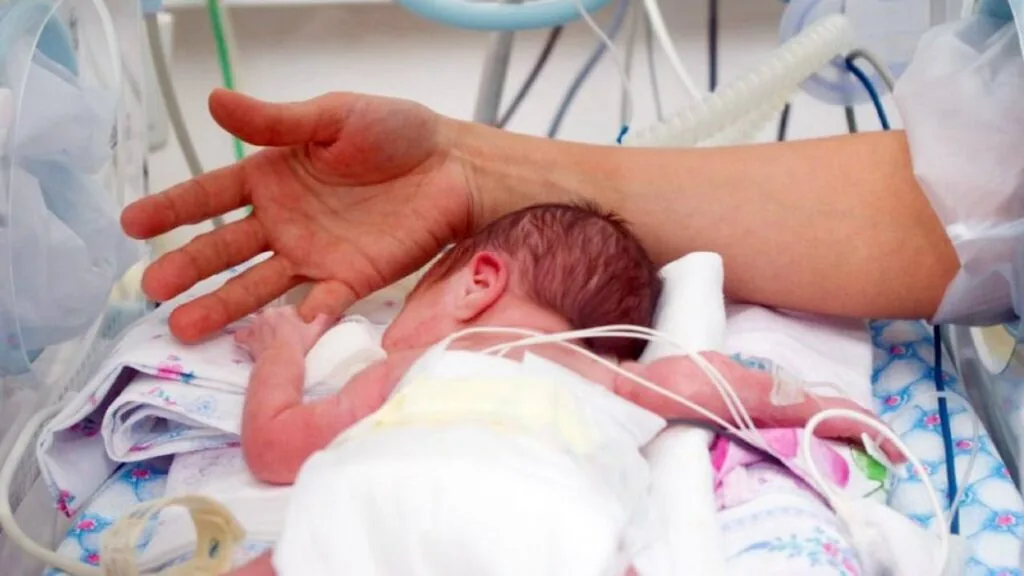
Most birth defects have no single identifiable cause, and a few risks are genuinely within your control. Folic acid before conception, no alcohol or cigarettes, a medication review with your doctor, rubella immunity, mosquito protection against Zika, and care with raw food cover the ones that matter most.
What actually causes birth defects?
A mix of genetics, environment and chance, and for a large share of cases nobody can say which.
That uncertainty cuts both ways. It means a mother who did everything right can still have an affected baby, and it means no checklist guarantees an outcome. What the evidence does support is a short list of exposures that measurably raise risk, most of them acting in the first eight weeks when organs are forming.
The first weeks are also when many women do not yet know they are pregnant. Which is why nearly all of the advice below is aimed at the months before conception rather than after.
| Risk | Why it matters | What to do |
|---|---|---|
| Too little folic acid | Neural tube closes about four weeks after conception | 400 micrograms daily, starting before conception |
| Alcohol | No known safe amount at any stage | Stop while trying to conceive |
| Cigarettes, including secondhand | Preterm birth, cleft lip, heart defects | Quit, and clear the flat of smokers |
| Medicines taken unchecked | Some are known teratogens | Review every box with a doctor |
| Zika and rubella | Both can cause severe defects | Repellent, standing water, immunity check |
| Raw and unpasteurised food | Listeria and toxoplasmosis | Skip sashimi, raw egg, soft cheese |
| Uncontrolled diabetes or epilepsy | Higher malformation risk at conception | Plan the pregnancy with your doctor |
Folic acid, before you conceive
The clearest preventable cause on the list.
The CDC recommends 400 micrograms of folic acid daily for every woman who could become pregnant, because adequate folate at the time the neural tube closes reduces the risk of spina bifida and anencephaly. HealthHub carries the same recommendation. The neural tube closes around four weeks after conception, often before a pregnancy has been confirmed.
Guardian, Watsons and Unity all stock folic acid and prenatal multivitamins over the counter. If you have had a previous pregnancy affected by a neural tube defect, ask your doctor about a higher dose rather than deciding yourself.
Alcohol, cigarettes and secondhand smoke
The CDC's position on alcohol is unambiguous. There is no known safe amount during pregnancy, no safe trimester, and no safe type of drink. Alcohol crosses the placenta and is linked to fetal alcohol spectrum disorders, which affect learning, growth and facial development.
Smoking has its own list. The CDC links it to preterm birth, low birth weight, certain heart defects and orofacial clefts such as cleft lip. Secondhand smoke counts, which in a flat or an HDB corridor is worth raising with whoever is smoking.
Both are worth stopping before conception rather than at the first scan.
Medicines, supplements and herbal remedies
Some prescriptions are known to cause malformations. Isotretinoin for severe acne, sodium valproate for epilepsy, and ACE inhibitors for blood pressure are among the better-documented ones.
The right move is a review, not a clear-out. ACOG's guidance on medication in pregnancy is to discuss every drug with a doctor, because stopping a necessary treatment abruptly carries risks of its own, including for the baby. Bring your actual boxes, plus supplements, traditional remedies and herbal tonics, which are medicines even when they are sold in a provision shop.
Infections you can guard against in Singapore
Zika and dengue
Here Singapore differs from most of the countries whose parenting advice you will read.
Zika infection during pregnancy can cause microcephaly and other serious brain abnormalities, and the CDC treats it as a confirmed cause rather than a suspected one. Singapore has had local Zika transmission, and the Ministry of Health advises pregnant women to protect themselves against mosquito bites and to see a doctor promptly about fever with a rash, joint pain or red eyes.
Practical steps: repellent on exposed skin, long sleeves in the evening, no standing water in pot trays or bamboo poles, and the windows screened. Dengue matters too, for the mother rather than through malformation, and our guides to dengue prevention and choosing a repellent cover both.
Rubella, CMV and toxoplasmosis
Rubella in early pregnancy can cause deafness, cataracts and heart defects. The vaccine cannot be given during pregnancy, and doctors advise waiting a month after it before trying to conceive, so immunity has to be confirmed or corrected beforehand. A polyclinic can check it with a blood test as part of preconception screening.
Cytomegalovirus and toxoplasmosis are the other two worth knowing about. CMV is mostly picked up from young children's saliva and urine, and toxoplasmosis from cat litter, garden soil and undercooked meat. Hand washing after diaper changes, gardening gloves and well-cooked meat do most of the work.
Raw food, and the local dishes it rules out

The NHS list of foods to avoid translates easily to a Singapore table. Raw fish and shellfish, which rules out sashimi and raw oysters. Raw or lightly cooked egg in homemade mayonnaise and some local desserts. Unpasteurised milk and soft mould-ripened cheese. Liver and high-dose vitamin A supplements. Large predatory fish for their mercury content.
Yusheng at Chinese New Year uses raw fish, and it is easy to take the shredded vegetables and skip the salmon. Our fuller list of foods to avoid has the detail, including the hawker dishes that catch people out.
Existing conditions, stress and lifting
Diabetes that is poorly controlled at conception raises the risk of heart and neural tube defects, which is why ACOG recommends optimising blood sugar before pregnancy rather than at the first appointment. The same planning logic applies to epilepsy, thyroid disease, lupus and high blood pressure.
Obesity and significant underweight both carry risk, and so does rapid dieting during pregnancy. Eat enough, eat varied, and leave weight loss for later.
What about stress and lifting?
Both appeared on the earlier version of this article with claims we cannot stand behind.
We previously wrote that maternal cortisol inhibits fetal nerve growth, and that lifting heavy loads can change the position of the fetus. Neither claim has a source we would cite, and both have been removed. Severe stress, anxiety and depression in pregnancy are still worth treating, for your sake and because they affect sleep, appetite and attendance at appointments. Say so at an antenatal visit.
On lifting: heavy lifting strains your back and pelvic joints, which is a reason to ask for help, and it is not a cause of birth defects. Our guide to harmful chemicals to avoid applies the same standard to the toxin claims that circulate online.
Where do you get checked in Singapore?
Start at a polyclinic or with your GP. Preconception and antenatal blood tests can cover rubella immunity, blood counts, blood sugar, thyroid function and infection screens, at subsidised rates.
KKH and NUH run specialist services for pregnancies with existing medical conditions, and a referral is worth asking for if you take regular medication or have a condition on the list above. Ideally that appointment happens before you conceive, when there is still time to change a prescription or finish a vaccination course.
Frequently asked questions
- When should I start taking folic acid?
- Before you conceive, ideally. The CDC recommends 400 micrograms of folic acid every day for all women who could become pregnant, because the neural tube closes in the first weeks, often before a pregnancy is confirmed. HealthHub gives the same advice. Pharmacies here sell it without a prescription.
- Is any amount of alcohol safe in pregnancy?
- No safe level has been established. The CDC states there is no known safe amount of alcohol during pregnancy and no safe time to drink, because alcohol crosses the placenta and can cause fetal alcohol spectrum disorders. The same applies while trying to conceive.
- Should I worry about Zika in Singapore?
- It is worth taking seriously. Zika infection during pregnancy can cause microcephaly and other severe brain defects, according to the CDC, and Singapore has had local transmission. The Ministry of Health advises pregnant women to use repellent, remove stagnant water and see a doctor about any rash with fever.
- Can I keep taking my regular medication?
- Ask before you stop or continue anything. Some medicines are known to harm a developing baby, including isotretinoin for acne and certain anti-seizure and blood pressure drugs. Stopping a necessary medicine abruptly carries its own risk, so this is a conversation with a doctor rather than a decision to make alone.
- Where can I get a preconception check in Singapore?
- A polyclinic or GP can arrange preconception blood tests, including a rubella immunity check, and polyclinics also provide antenatal care. KK Women's and Children's Hospital and the National University Hospital both run services for women with existing conditions such as diabetes, epilepsy or thyroid disease, where planning ahead matters most.
Sources
- CDC — Folic acid and the prevention of neural tube defects
- CDC — Alcohol use in pregnancy and fetal alcohol spectrum disorders
- CDC — Zika virus and pregnancy
- CDC — Smoking during pregnancy
- NHS — Foods to avoid in pregnancy
- ACOG — Medications and pregnancy, and preconception care
- Ministry of Health Singapore — Zika advisory for pregnant women
- HealthHub, Health Promotion Board — preconception health and folic acid
Share this article
This article is for information only and is not a substitute for diagnosis or medical advice. Please talk to your doctor about your own situation.