
How to disinfect baby toys by material
A material-by-material method for plush, plastic, bath, wooden and electronic toys, plus what mould and HFMD mean for toys in Singapore.
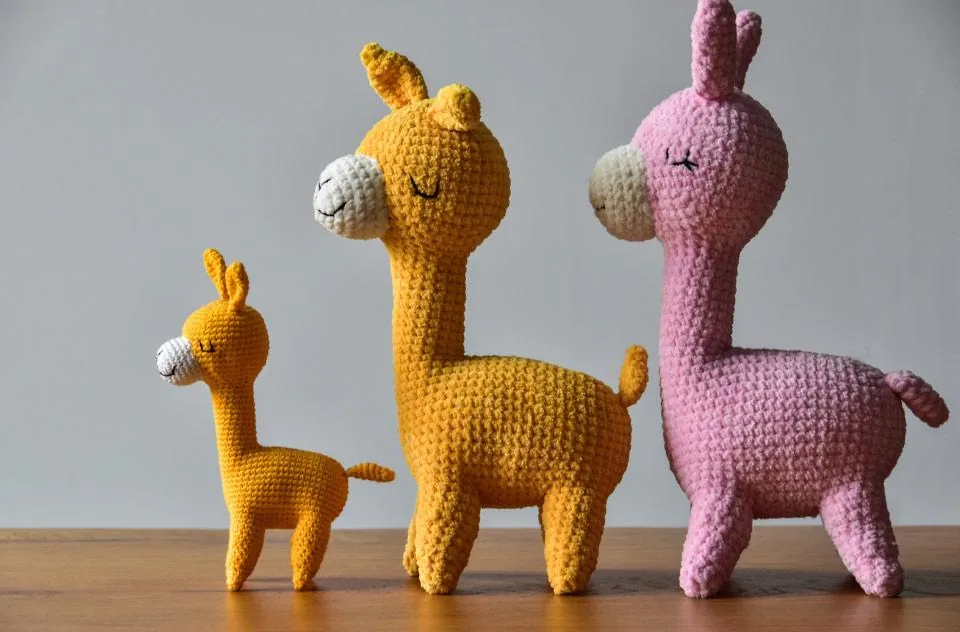
Most toys need washing rather than disinfecting. Soap, water and proper drying handle the daily business, and a disinfectant earns its place when somebody in the house is ill. Method matters more than product, and in Singapore's humidity the step people skip is the drying.
Cleaning and disinfecting are different jobs
The CDC separates them plainly. Cleaning with soap and water physically lifts dirt and most germs off a surface. Disinfecting uses a chemical to kill whatever is left. For ordinary days in an ordinary home, the CDC treats cleaning as enough.
Disinfecting belongs to the days that are not ordinary. Somebody has hand, foot and mouth disease, a stomach bug has gone round the flat, or a toy came home from a playgroup after an eventful afternoon. Use a disinfectant then. Let soap carry the rest of the year.
One rule applies either way. A disinfectant only works on a surface that is already clean, and it needs its contact time, which means staying visibly wet for as long as the label says. Spraying and wiping straight off does very little.
Read the claims on the bottle sceptically. The Health Sciences Authority regulates health products, and as far as we can find, neither HSA nor NEA registers or approves household surface disinfectants. A bottle promising to kill 99.9% of germs is backed only by whatever testing its maker did. Ask which organisms were tested, at what dilution, and for how long the surface stayed wet. A seller who cannot answer has not read the test either.
Plush toys and anything fabric
Check the care label first, because the manufacturer has already answered the question. Most plush toys survive a gentle machine cycle inside a mesh laundry bag with ordinary detergent. Hot water and a tumble dryer are what finish off glued eyes and foam stuffing, so warm and gentle is the safer setting.
Hand-wash anything with batteries, a music box or delicate trim. Squeeze the water out rather than wringing, since wringing is what pulls seams apart.
Drying is the Singapore problem. A damp plush toy on an indoor rack in a closed flat takes a day or more, and it smells of that by hour twelve. Spin it hard, then put it in front of a fan or out in the sun if you have a corridor rail or a service yard. A toy that still feels cool is still wet.
Wash the childcare-centre toy weekly. Wash the one your child sleeps with more often than that, and keep an identical spare, because the night it goes into the machine is the night nobody sleeps.
Hard plastic toys
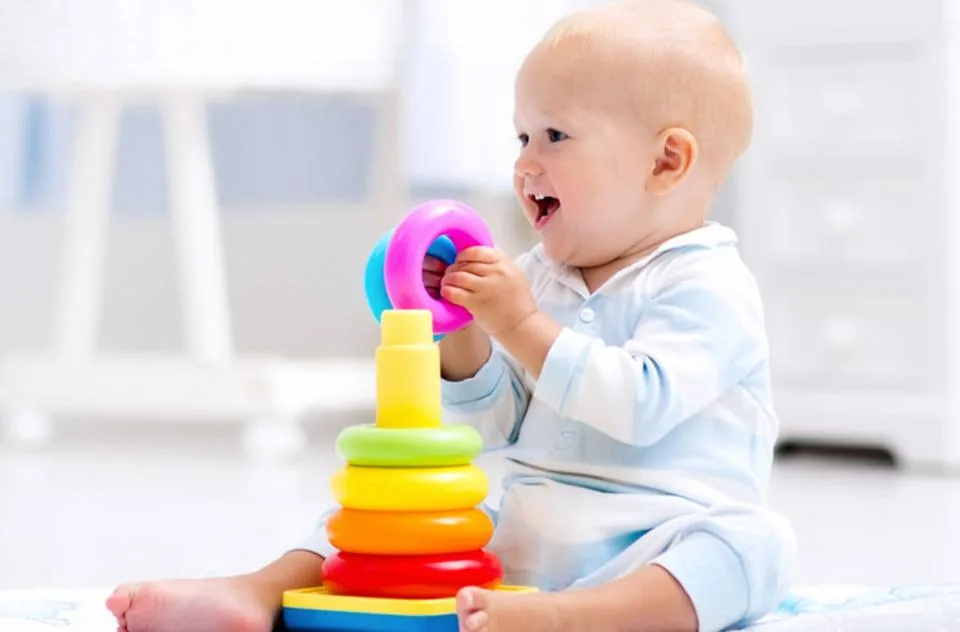
Hard plastic is the easiest category. Warm soapy water, a brush for the grooves, a rinse and then air drying covers almost everything. Blocks and small parts go into a mesh bag before they go in the dishwasher, so they never end up loose around the heating element.
The CDC guidance on infant feeding items is a reasonable benchmark for anything a baby mouths, since it counts a dishwasher run with hot water and a heated drying stage as a way to sanitise. Toys with batteries or a speaker stay out of the machine. So does anything with a printed sticker you would like to keep.
Why bother at all with a toy that looks clean? Because babies mouth everything, which our piece on why babies put everything in their mouths explains rather well.
Bath toys and the mould inside them
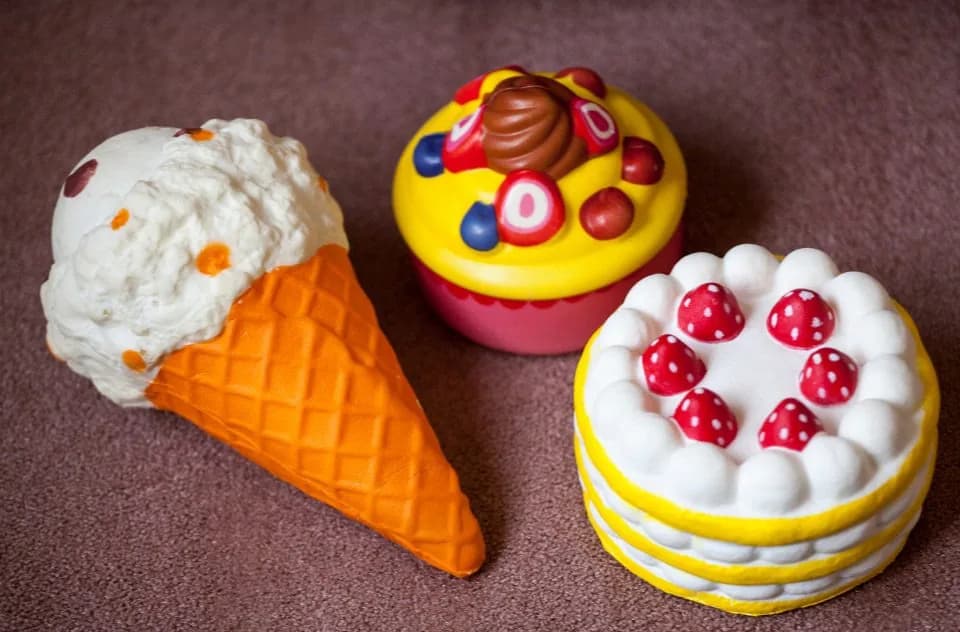
Squeeze a bath toy over the sink after a bath and look at what comes out. Grey water, sometimes black flecks. That is mould, and in a bathroom that never fully dries it takes only weeks to start.
The hole is the design flaw. Water goes in, the toy sits in a warm wet bathroom, and the inside never dries. Your options are to squeeze each toy out after every bath and store them somewhere air moves, to seal the hole with a dab of hot glue so water cannot get in, or to buy solid toys with no hole at all.
Once a toy is mouldy inside, throw it out. You cannot scrub the inside of a rubber duck, and soaking it in bleach solution leaves you with a mouldy duck full of bleach. It costs a couple of dollars. Let it go.
Wash the outside of bath toys weekly in warm soapy water, and check the size of anything new while you are there. AAP advises that toys for children under three years old be too large to swallow, which puts the floor at roughly 3 cm across and 6 cm long. Bath sets are exactly the category where a small squeaky insert works loose.
Wooden and electronic toys
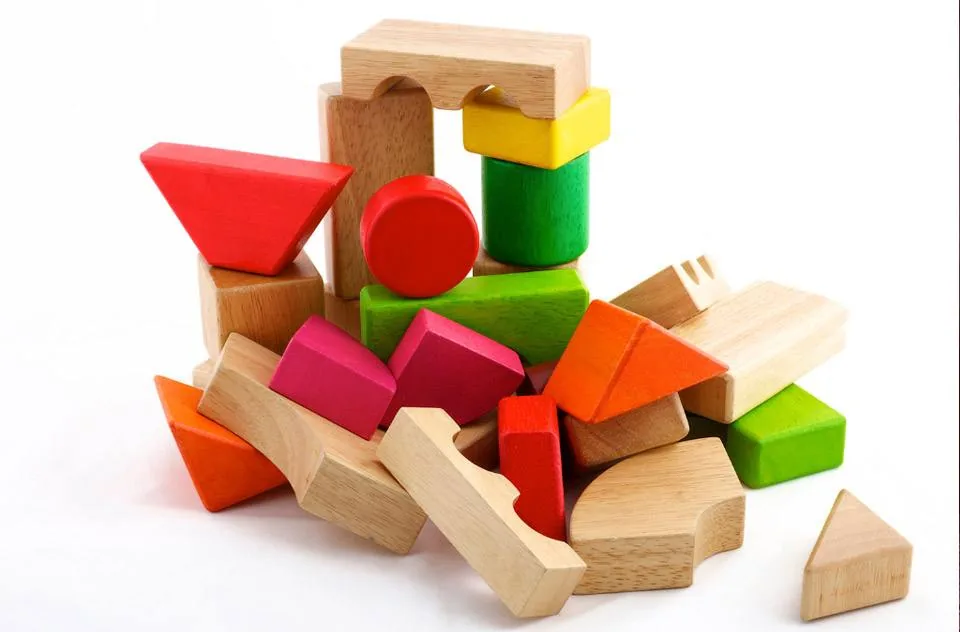
Wood and water do not get on. Soaking raises the grain, splits the finish and leaves damp sitting inside a material that will not give it back. Wipe wooden toys with a cloth wrung out in warm soapy water, wipe again with a clean damp cloth, then dry with a towel straight away.
If a wooden toy has been in a sick child's mouth, a cloth wrung out in diluted disinfectant, left for the stated contact time and then wiped clean, is as far as it is sensible to go. Wood never goes in the dishwasher. It should not bake in a tropical afternoon either, which warps and cracks it.
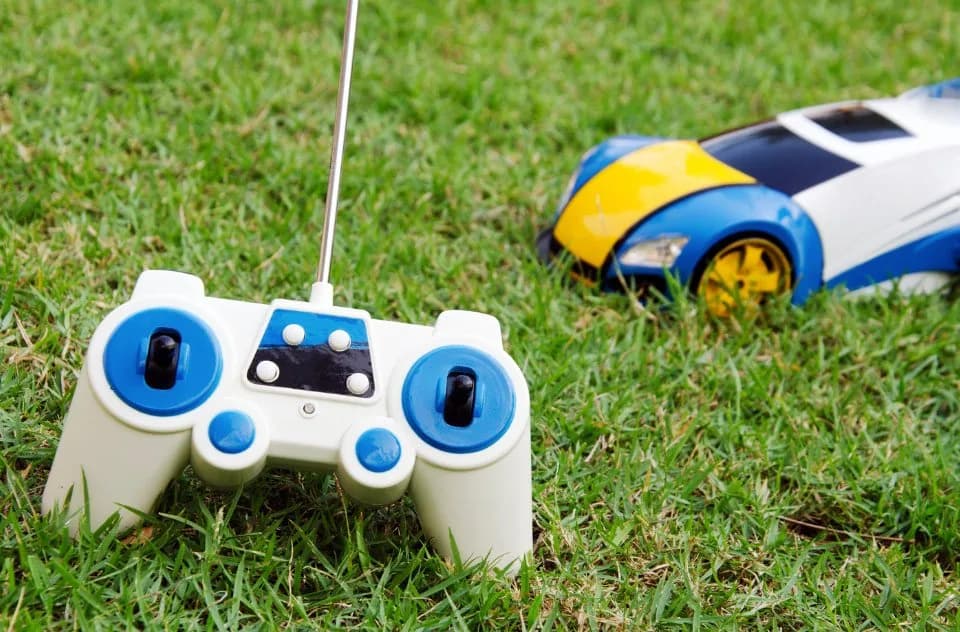
Electronics follow the same logic for a different reason. Switch the toy off and take the batteries out before anything damp comes near it. Clean around the buttons and seams with a cotton bud, wipe the soap away with a second damp cloth, and dry it fully before the batteries go back. A disinfectant wipe is fine on the casing. Nothing goes into the battery compartment.
Teethers and anything that goes in a mouth
Here disinfecting is routine rather than exceptional, because the toy is in a mouth by design. Wash a teether in hot soapy water after each session and rinse it properly.
For a deeper clean, the CDC sanitising method for infant feeding items is five minutes in boiling water, and a solid silicone teether labelled boil-safe takes the same treatment. Water-filled and gel-filled teethers do not. Those go in the fridge and get washed by hand.
Retire a damaged teether on the spot. A split seam, a crack in the silicone or a gel teether that has begun to weep is finished, because water gets into the gap and nothing gets it out again, and your baby is chewing on whatever grows in there. Our guide on when to give a teether to a baby covers choosing a good one.
The FDA has separately warned against teething jewellery, including amber, wood and silicone necklaces and bracelets, over the risk of strangulation and of choking on a loose bead. Clean or otherwise, those belong nowhere near a baby.
Drying toys in an HDB flat
Drying is where most toy cleaning falls down here. Outside the air is humid, inside it is air-conditioned and still, and a washed toy dropped back into a toy box stays damp enough to grow something.
Stand toys on a rack instead of lying them in a basin, so air can reach every face. Point a fan at them. A corridor or service yard in direct sun is faster than anything indoors and helps with odours, though wooden toys come back in before they bake.
Give everything an extra hour past the point where it looks dry. Plush toys hold water deep in the stuffing long after the surface feels fine. Press a thumb into the seam and see. The same climate logic runs through our piece on choosing a floor cleaner for a crawling baby, where drying time matters just as much.
What hand, foot and mouth disease changes
HFMD moves through infant care and childcare centres here every year. The Ministry of Health tracks weekly case numbers and requires preschools to report outbreaks, and HealthHub sets out the usual picture of fever, mouth ulcers and a rash or blisters on the hands, feet and bottom. A child stays home until they are well. Your centre will tell you what it needs before they come back.
That is the week to disinfect rather than simply wash. The CDC advises washing soiled items including toys with soap and water first, then disinfecting with a chlorine bleach solution made by adding one tablespoon of household bleach to four cups of water, or with a cleaning product that contains bleach. Mix it fresh. Bleach solution weakens within a day, and it needs its contact time on the surface before you rinse.
Rinse anything that will go back in a mouth with clean water afterwards and dry it fully. Shared toys at home get the same treatment as the ones at the centre, because siblings share everything they own. Hand washing still does more than any of it, which the CDC puts ahead of surface cleaning for stopping spread, and our piece on protecting your baby from germs covers the household routine.
One thing matters more than any of the cleaning. HealthHub flags dehydration as the complication to watch in hand, foot and mouth disease, because the mouth ulcers make drinking hurt. Offer cold drinks and soft food. Call your polyclinic if your child passes urine less often than usual or turns unusually drowsy.
Frequently asked questions
- Do I need to disinfect my baby's toys every day?
- No. The CDC treats cleaning with soap and water as enough for ordinary days at home, and keeps disinfecting for when someone is ill or a surface has been contaminated. Daily washing of mouthed toys, weekly for the rest, covers most households.
- What bleach dilution is safe for toys?
- For hand, foot and mouth disease the CDC gives one tablespoon of household bleach to four cups of water, applied after the item has been washed with soap and water. Mix it fresh each time, let it sit on the surface for the contact time on the label, then rinse anything that goes in a mouth.
- Can I boil a teether?
- A solid silicone teether labelled boil-safe, yes. The CDC's sanitising method for infant feeding items is five minutes in boiling water, and a boil-safe teether takes the same treatment. Water-filled and gel-filled teethers must never be boiled.
- How do I stop mould growing in bath toys?
- Squeeze every toy out over the sink after the bath and store them where air moves rather than in a closed bucket. Sealing the hole with hot glue stops water getting in at all. Once a toy is mouldy inside, throw it away, because you cannot clean a cavity you cannot reach.
- What should I clean when my child has HFMD?
- Toys, doorknobs, table surfaces and anything else small hands touch. Wash first with soap and water, then disinfect with the CDC's bleach solution or a bleach-containing cleaner. HealthHub advises keeping your child home until they are well, and your childcare centre will tell you what it needs before they return.
Sources
- CDC — Cleaning and disinfecting your home
- CDC — Hand, Foot and Mouth Disease prevention
- CDC — How to Clean, Sanitize, and Store Infant Feeding Items
- Ministry of Health Singapore — Hand, Foot and Mouth Disease weekly situation
- HealthHub (Health Promotion Board) — Hand, Foot and Mouth Disease
- AAP (HealthyChildren) — Choking prevention and toy safety
- FDA — Safely Soothing Teething Pain and teething jewellery warning
- Health Sciences Authority — Regulation of health products in Singapore
Share this article
This article is for information only and is not a substitute for diagnosis or medical advice. Please talk to your doctor about your own situation.