Breastfeeding benefits for you and your baby
What the WHO and UNICEF actually claim for breastfeeding, what it does for your own health, and how to make it work around 16 weeks of maternity leave.
The WHO and UNICEF recommend exclusive breastfeeding for the first six months, then breastfeeding alongside solid food up to two years or beyond. The WHO links it to fewer infections and a lower risk of obesity for the child, and to a lower risk of breast and ovarian cancer for the mother.
When should breastfeeding start?
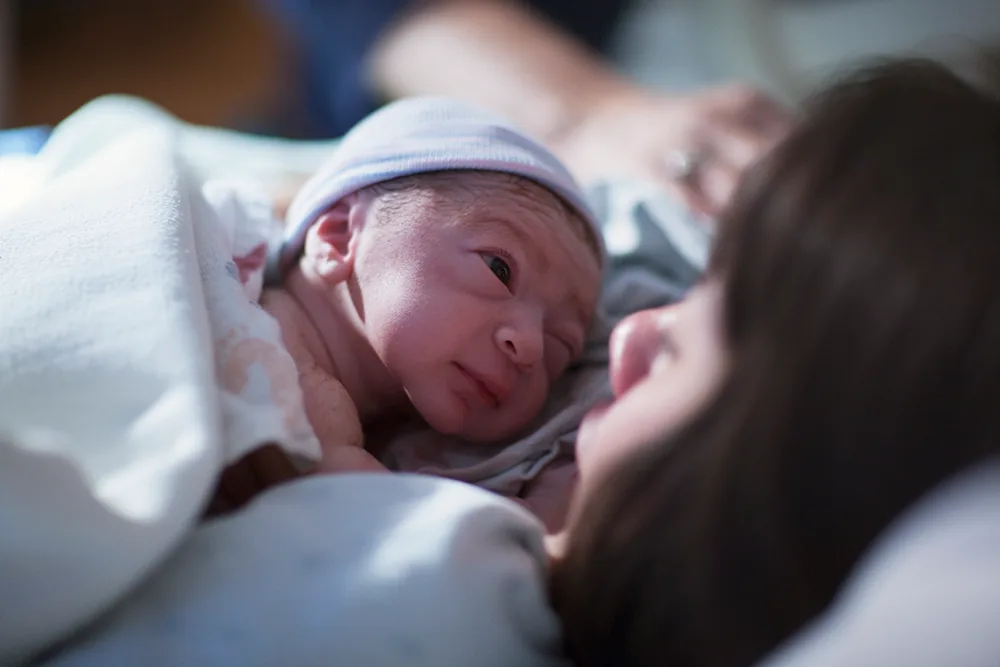
Within the first hour after birth, says the WHO, with skin-to-skin contact from the start.
That first hour is worth protecting. A baby held against your chest finds the breast largely on her own, and the suckling that follows triggers the hormone cascade that gets milk production going. Hospitals in Singapore will generally support this if you ask for it in your birth plan, including after a caesarean once you are stable.
What comes out first is colostrum. It arrives in teaspoons rather than millilitres, which worries nearly every new mother, and the small volume is the point. A newborn stomach holds very little, and colostrum is dense with antibodies rather than with water.
What does breastfeeding do for your baby?
The WHO fact sheet on infant and young child feeding is the clearest short statement of the evidence.
Fewer infections. Breastfed infants have less diarrhoea and fewer respiratory infections.
Antibodies you cannot buy. Breast milk carries your immune experience across to your baby, including secretory IgA, which lines her gut while her own immune system is still learning.
Nutrition that moves with her. The composition changes across a single feed and across the months. Formula cannot do that, which is why tins are sold by age stage.
A lower risk of obesity later. The WHO states that breastfed children are less likely to be overweight or obese in later life.
Better performance in intelligence testing. The WHO reports this association, and it is an association. Families who breastfeed for longer differ from families who do not in many other ways, which researchers try to adjust for and cannot fully remove.
What does it do for you?
It helps your uterus contract. Oxytocin released during a feed is the same hormone that drives labour contractions. In the first days it tightens the uterus and reduces bleeding, which is why early feeds often come with cramping.
Lower long-term cancer risk. The WHO links breastfeeding to reduced risk of breast and ovarian cancer.
Lower risk of type 2 diabetes. Also on the WHO's list of maternal benefits.
It costs nothing and needs no preparation. At 3am, in a flat with the air-conditioning on, that is not a small thing.
One claim worth retiring is that breastfeeding prevents postpartum depression. The research is mixed, and difficult feeding is itself associated with low mood. If you feel persistently flat, anxious or unable to cope, that deserves attention in its own right, whichever way you are feeding.
How do the first weeks usually go?
Harder than the leaflets suggest, and then easier.
Expect to feed eight to twelve times in 24 hours at the start, with no pattern to it. Expect your milk to come in around the third or fourth day, often with swollen, hot breasts for a day or two. Expect a cluster-feeding evening somewhere in the first fortnight where she seems to want the breast continuously.
Supply responds to removal. Milk taken out is milk made, which is the single most useful fact in the whole subject. It is also why top-ups given at night, however kindly meant, reduce the next day's supply if they replace a feed rather than follow one.
Confinement practice varies across families here, and some of it helps. Rest, warm food and somebody else doing the cooking all support feeding. If a confinement nanny suggests a formula bottle so you can sleep, you can accept the sleep and express during that stretch instead.
Also read: how to boost breast milk supply naturally
Breastfeeding around 16 weeks of maternity leave
Eligible mothers in Singapore get 16 weeks of Government-Paid Maternity Leave under the scheme the Ministry of Manpower administers. Exclusive breastfeeding to six months therefore runs about two months past the day you go back to work.
That gap is manageable with a plan made before you need it.
- Start a small frozen store from about week eight, a little at a time, so supply is not disrupted
- Fix the expressing times in your calendar before your first week back, not during it
- Find out where you will express and where the milk will be kept
- Teach whoever cares for her during the day to offer a bottle the paced way
Sore nipples, and what they are telling you
Tenderness in the first week is common. Pain that lasts through a whole feed, cracked skin or bleeding is a signal rather than a phase, and the NHS points first at attachment: a baby taking a shallow mouthful of nipple instead of a deep mouthful of breast.
Get the latch watched before you change anything else. Then look after the skin, because humid weather and damp nursing pads keep it soft and slow to heal. Change pads as soon as they are wet, air the skin when you can, and use a cream that does not need wiping off.
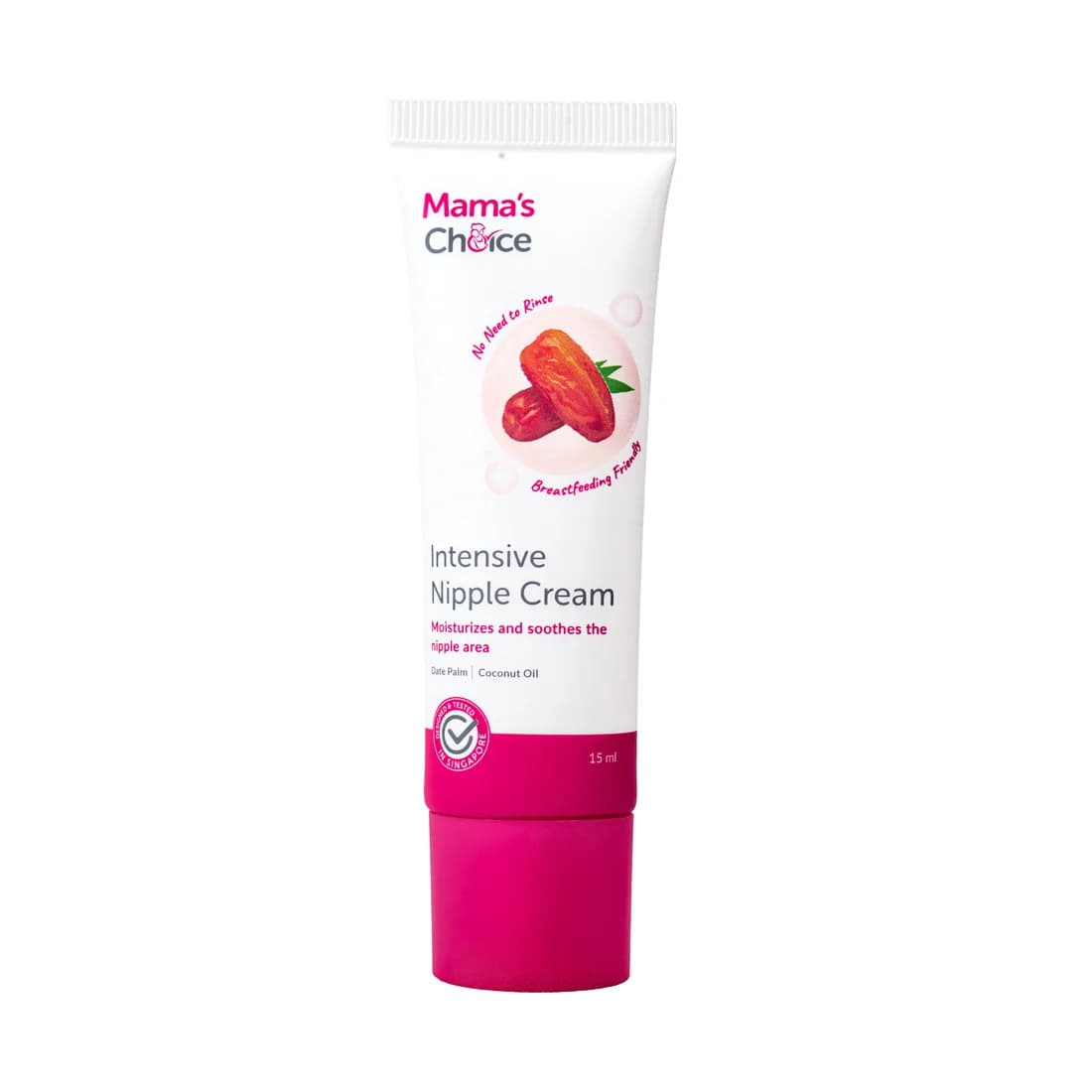
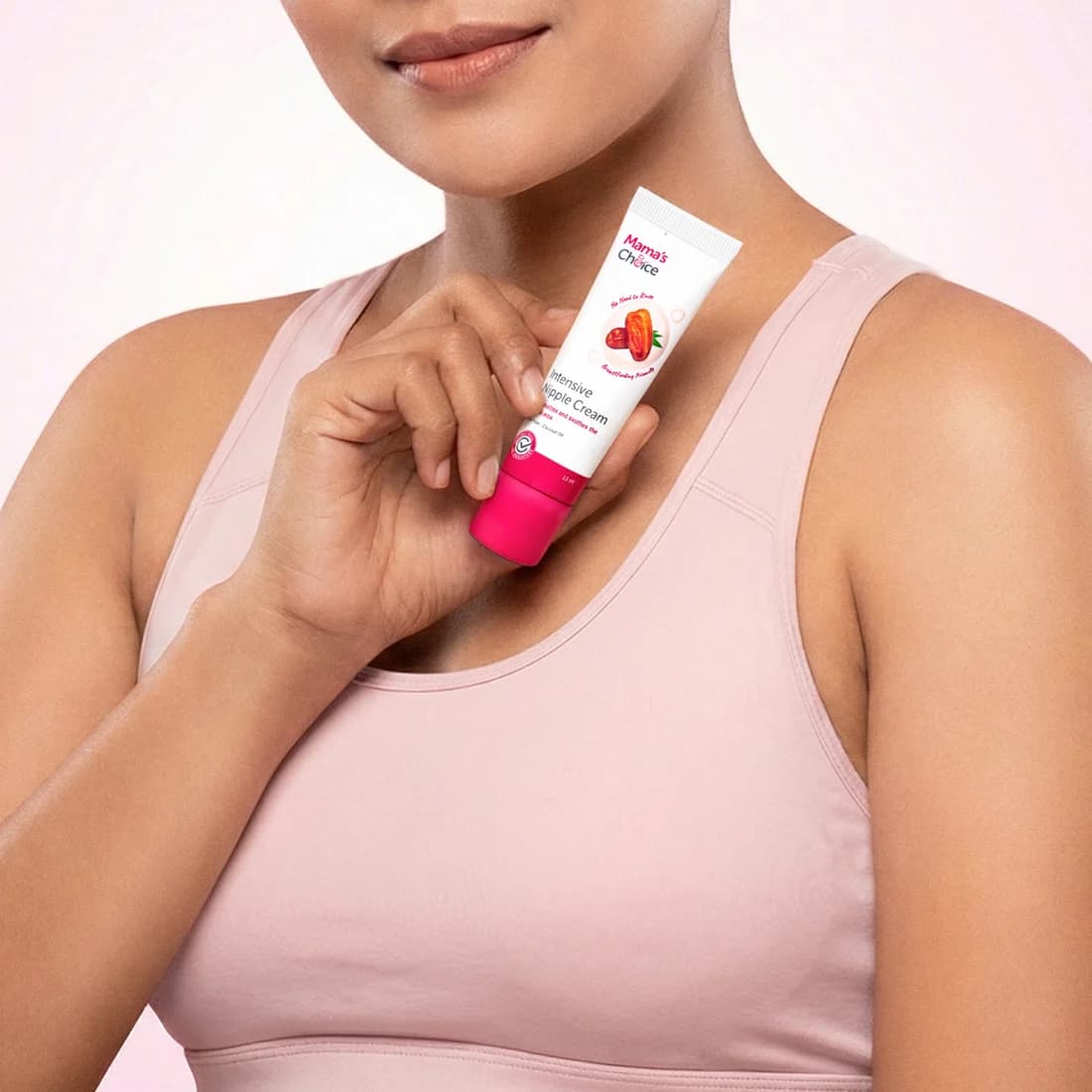
Mama's Choice Intensive Nipple Cream is ours for that: a rich lanolin balm with shea butter, coconut oil and date fruit extract that moisturises and protects the skin of the nipple and areola, with no need to rinse it off before a feed. In a 2022 survey of 74 mothers, 96% felt dry nipple skin became softer. A cream looks after the skin; the latch is what stops the damage coming back, so if the pain or cracking gets worse, see a lactation consultant or your doctor.
Also read: remedies for breastfeeding pain
Where can you get help in Singapore?
Ask early and ask in person. Most feeding problems are mechanical, and somebody watching a single feed can usually see what a phone call cannot.
- Your polyclinic, which can refer you on
- Lactation clinics at KK Women's and Children's Hospital and National University Hospital
- The lactation consultant at the hospital where you delivered, often available after discharge
- HealthHub, run by the Health Promotion Board, for the written guidance between appointments
Feeding in public gets easier with practice and with knowing where the nursing rooms are. Most larger malls have one, and so do many other public buildings.
Frequently asked questions
- How long should I breastfeed for?
- The WHO and UNICEF recommend exclusive breastfeeding for the first six months, then breastfeeding alongside solid food up to two years or beyond. Any amount counts, and the first weeks carry the most benefit per feed.
- When should the first feed happen?
- The WHO advises putting a baby to the breast within the first hour after birth. Skin-to-skin contact in that hour helps with latching and with the hormones that start milk production.
- What does breastfeeding do for my own health?
- The WHO links breastfeeding to a lower risk of breast and ovarian cancer and of type 2 diabetes later in life. In the days after birth, the oxytocin released during feeds helps the uterus contract and reduces bleeding.
- Can I keep breastfeeding after I go back to work?
- Many mothers in Singapore do. Eligible mothers get 16 weeks of Government-Paid Maternity Leave, so expressing at work is usually part of the plan if you want to reach six months of exclusive breastfeeding.
- Is it normal for breastfeeding to hurt?
- Tenderness in the first days is common. Sharp pain through the whole feed, cracked skin or bleeding is not, and it nearly always points to how the baby is attaching. Ask to be watched feeding rather than waiting it out.
Sources
Share this article
This article is for information only and is not a substitute for diagnosis or medical advice. Please talk to your doctor about your own situation.