How to Do a Gentle Prenatal Massage at Home
What makes a massage safe in pregnancy, how to do a gentle one at home, and how Singapore confinement massage fits into the picture afterwards.
A prenatal massage is an ordinary massage with lighter pressure, safer positions and the abdomen left alone. Side-lying with pillows is the position to use, ten minutes is enough, and anyone with bleeding, raised blood pressure or a complicated pregnancy should ask their doctor before booking one.
How a prenatal massage differs
The techniques are the same ones a therapist uses on anybody. What changes is pressure, position and where the hands go.
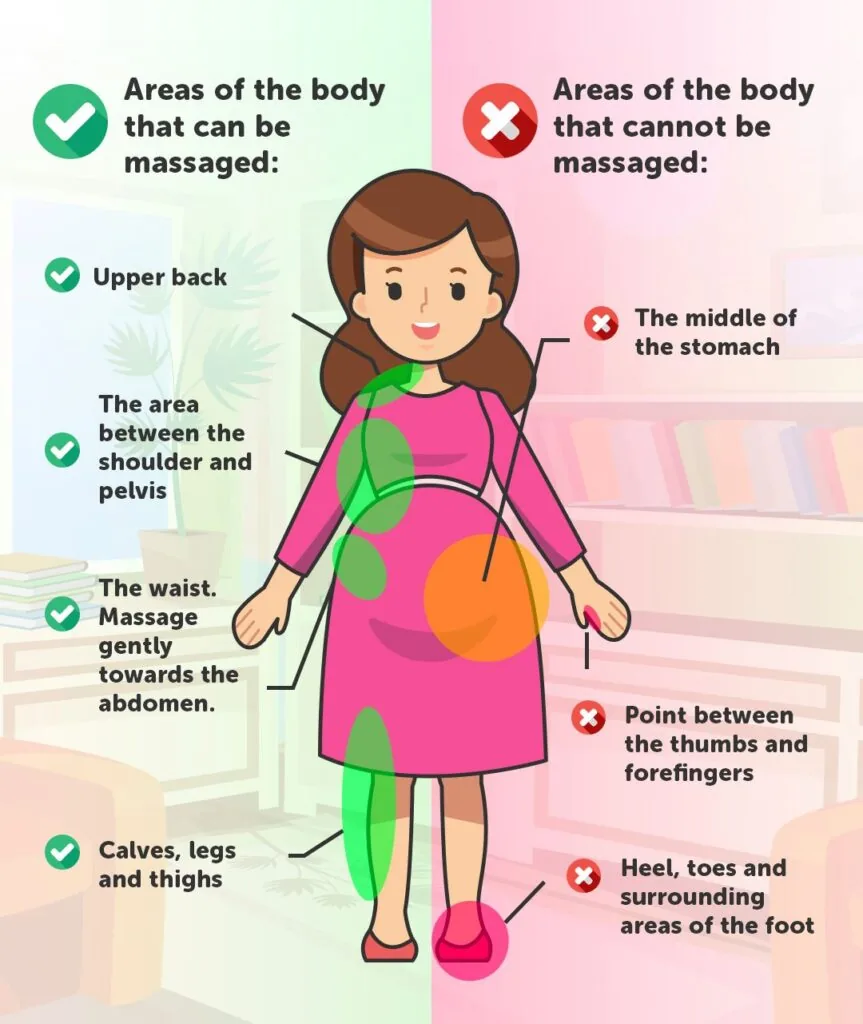
Lighter pressure, because pregnancy loosens ligaments and makes joints less stable. Side-lying or seated rather than flat on the back. Nothing deep on the abdomen, and no firm work on the calves.
That is most of it. A good therapist will also ask how many weeks you are and whether the pregnancy has been straightforward, and one who does not ask is worth reconsidering.
When to have one
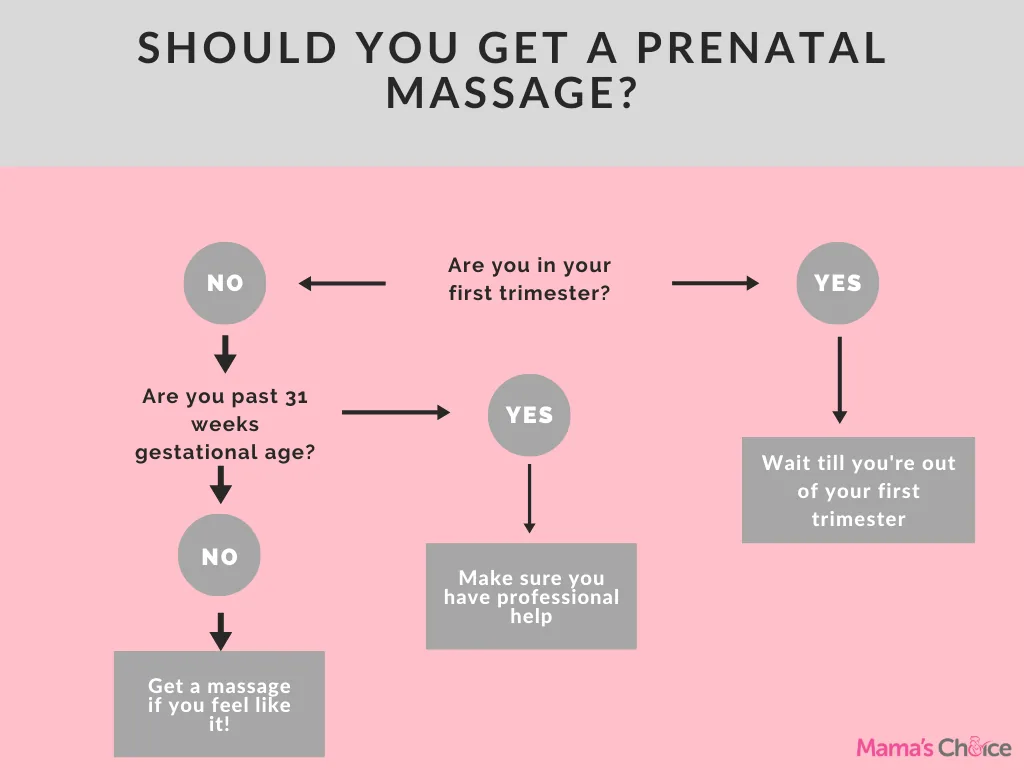
Most therapists and spas in Singapore decline to treat women before 12 weeks. That is a convention rather than a finding.
Gentle massage has not been shown to cause miscarriage. Early loss is common, happens for reasons unconnected to anything you did, and no therapist wants to be the last thing that happened before it. So the industry waits.
From around 12 weeks to the early thirties of gestation is the comfortable window for a massage at home. Later than that, positioning gets harder and an extra pair of experienced hands is genuinely useful.
Doing a gentle one at home
Your partner does not need training for ten minutes of shoulders and feet.
Set the position first. Side-lying, with a pillow under the bump, one between the knees and one under the head. Or sitting on a dining chair turned around, leaning forward onto a cushion.
Start at the shoulders and neck. Slow circles with the flat of the hand, working outward from the base of the neck to the shoulder blades. This is where most pregnancy tension collects, and it is the safest place to press properly.
Lower back, lightly. Flat palms either side of the spine, never on the spine itself, moving upward. Stop if anything sharpens.
Feet and calves. Feet can take firm pressure and usually want it by the third trimester. Calves get light strokes only.
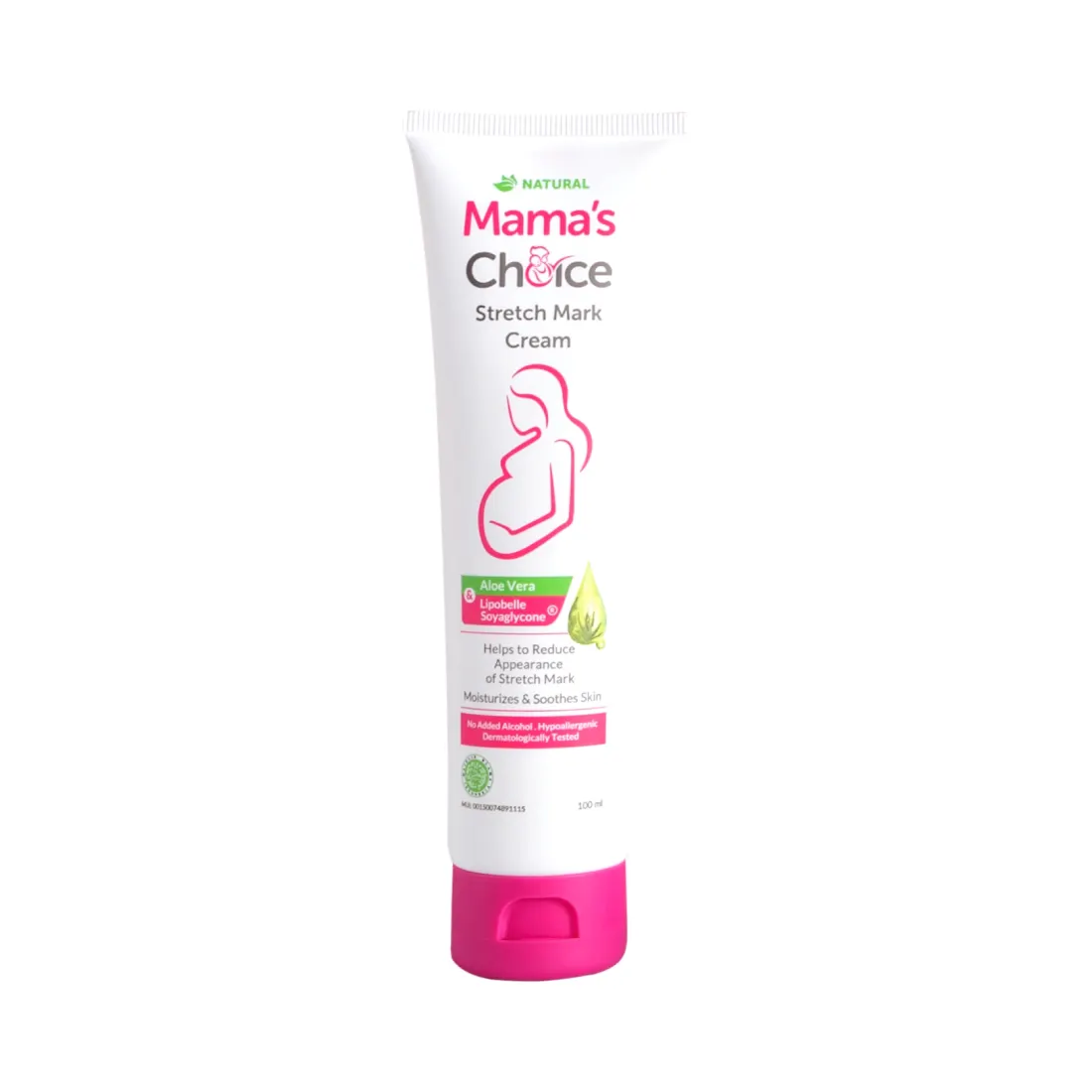
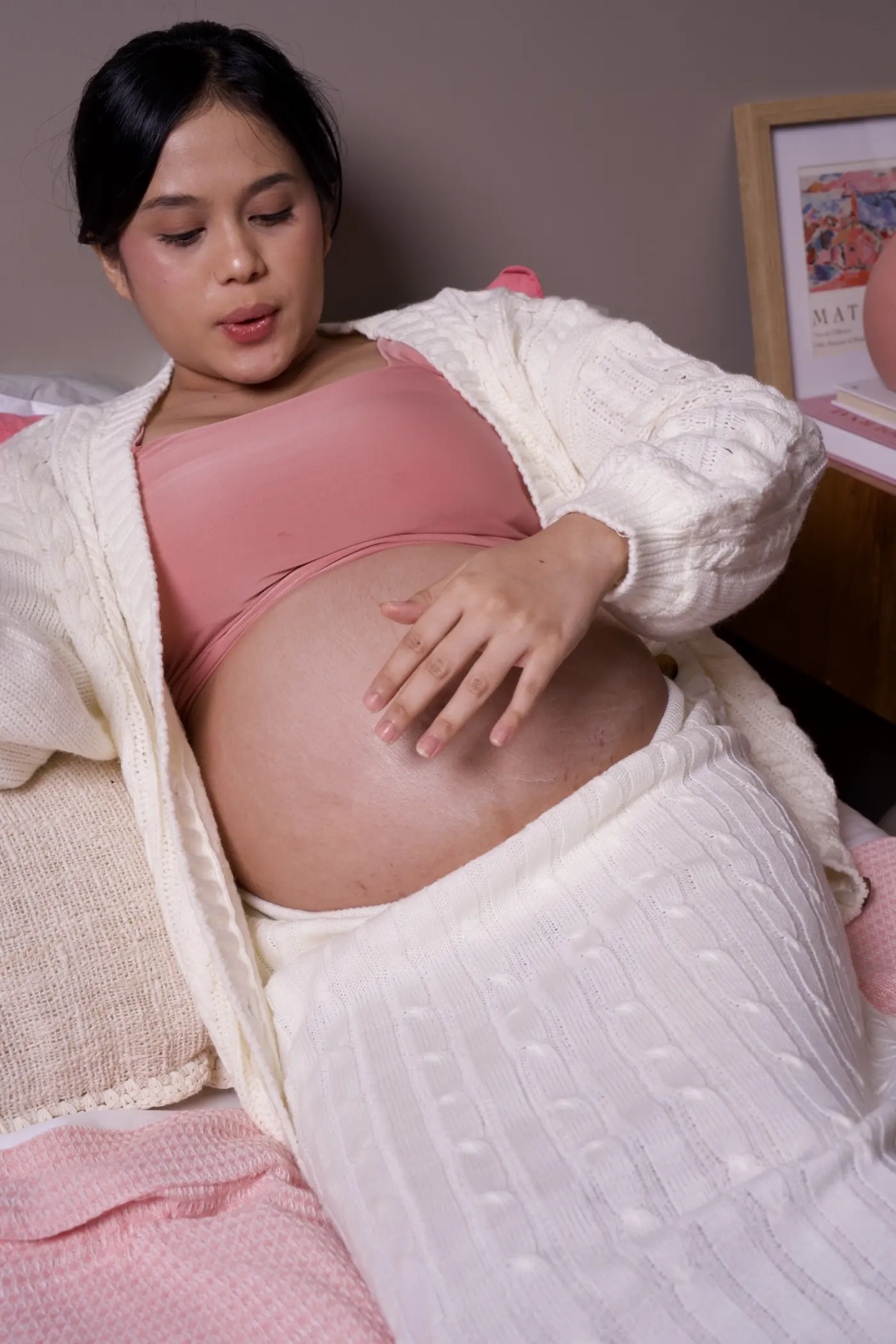
Over the bump, barely at all. Long slow strokes with plenty of slip and no pressure. A cream gives the hands some slip, and Mama's Choice Stretch Mark Cream works well here, since skin over the bump is often tight and dry and you are moisturising it anyway.
Ten minutes is plenty. A short massage most evenings beats an ambitious hour once a fortnight.
Positions and things to avoid
| Avoid | Why |
|---|---|
| Lying flat on your back for long | The uterus presses on a major vein, which can leave you lightheaded |
| Deep pressure on the abdomen | No benefit, and uncomfortable for both of you |
| Firm work on the calves | Swelling and clots are more common in pregnancy |
| Hot tubs, saunas and steam before or after | Raising your core temperature is best avoided in pregnancy |
| Essential oils you have not checked | Several are not recommended during pregnancy |
| Anything that hurts | Pain is the signal to stop, not to push through |
Swelling in both feet by evening is ordinary. A calf that is painful, red, warm and swollen on one side is not, and that needs a doctor the same day rather than a rub.
What the evidence actually supports
Massage is pleasant, and for some women it makes pain feel less bad. The published picture is modest rather than miraculous.
A Cochrane review of interventions for low back and pelvic pain during pregnancy looked across exercise, manual therapy and other approaches and found some benefit, with the quality of evidence described as limited. A separate Cochrane review of massage and manual methods in labour found they may help with pain and anxiety.
So what massage can reasonably offer is relaxation and, for some women, less perceived pain, which can make sleep and mood easier. Claims about stabilising hormones, lowering blood pressure to ease labour, or improving the baby's circulation go well past what has been measured.
Our guides to back pain during pregnancy and pregnancy exercise by trimester cover the interventions with better evidence behind them.
Going to a spa in Singapore
Plenty of places here advertise prenatal treatments, and standards vary.
Worth asking before you book: whether the therapist has specific prenatal training, whether they have a side-lying setup or a table with a cut-out, and what pressure they use. A cut-out table that leaves your bump hanging is less comfortable than it sounds, and most experienced prenatal therapists work side-lying.
Tell them your gestation, any bleeding, your blood pressure history and whether you have had pelvic girdle pain. If pain is the reason you are going, a women's health physiotherapist is often the better referral, and your polyclinic or the service at KK Women's and Children's Hospital can arrange that.
Confinement massage, afterwards
Postnatal massage is a long tradition in Singapore across Malay, Chinese and Indian practice, usually booked as a package of daily sessions during the confinement month, often with abdominal binding.
Many Mamas find it restful, and it is a genuine part of being cared for. A few practical limits are worth holding:
- Wait until the heavy bleeding has settled, and longer if you are still passing clots
- Keep any binding loose enough to breathe deeply and eat normally
- Nothing over a caesarean wound until your doctor has looked at the scar
- Stop if you develop fever, a foul-smelling discharge, or new abdominal pain
- Say no to vigorous abdominal work, whatever it is promised to do for your figure
Our articles on postpartum pain and oxytocin massage cover the weeks after delivery in more detail.
When massage is the wrong answer
Pain that wakes you, pain down one leg, pain that stops you walking, or any bleeding, leaking fluid or reduced movements means a doctor rather than a therapist. The same goes for a headache with visual changes after 20 weeks.
For everything else, ten quiet minutes with someone's hands on your shoulders is one of the few things in pregnancy that costs nothing and often helps.
Frequently asked questions
- Is prenatal massage safe?
- For most low-risk pregnancies, gentle massage is considered reasonable. A Cochrane review of interventions for low back and pelvic pain in pregnancy found that several approaches, including manual therapy and exercise, helped some women, with the evidence described as limited rather than strong. Anyone with bleeding, high blood pressure or a complicated pregnancy should ask their doctor first.
- Can I have a massage in the first trimester?
- Most therapists in Singapore decline before 12 weeks, and that is a precaution rather than a finding. There is no good evidence that gentle massage causes miscarriage. Early pregnancy loss is common and unrelated, and nobody wants a massage blamed for it, which is why the convention exists.
- Which position should I use?
- Side-lying with pillows under the bump and between the knees, or sitting and leaning forward over the back of a chair. The American College of Obstetricians and Gynecologists advises against lying flat on your back for long periods in later pregnancy, because the weight of the uterus presses on a major vein.
- Are there areas to avoid?
- Keep pressure off the abdomen, use light strokes only over the bump, and avoid deep work on the calves. Firm calf pressure is discouraged partly because swelling and clots are more common in pregnancy, and a painful, red, swollen calf needs a doctor the same day rather than a massage.
- What about confinement massage after delivery?
- It is a long-established practice here, and many women who have it find it comfortable and restful. Wait until bleeding has settled, keep binding loose enough to breathe properly, and skip it entirely over a caesarean wound until your doctor has reviewed the scar.
Sources
- Cochrane Library — interventions for preventing and treating low-back and pelvic pain during pregnancy
- Cochrane Library — massage, reflexology and other manual methods for pain management in labour
- American College of Obstetricians and Gynecologists — back pain and comfort in pregnancy
- NHS — back pain in pregnancy and complementary therapies
- KK Women's and Children's Hospital — women's health physiotherapy
- HealthHub (Ministry of Health Singapore) — pregnancy care
Share this article
This article is for information only and is not a substitute for diagnosis or medical advice. Please talk to your doctor about your own situation.