Benefits of babywearing and how to carry safely in Singapore
What babywearing genuinely does for your baby, how to check hip and airway position, and how to carry safely in Singapore heat and humidity.
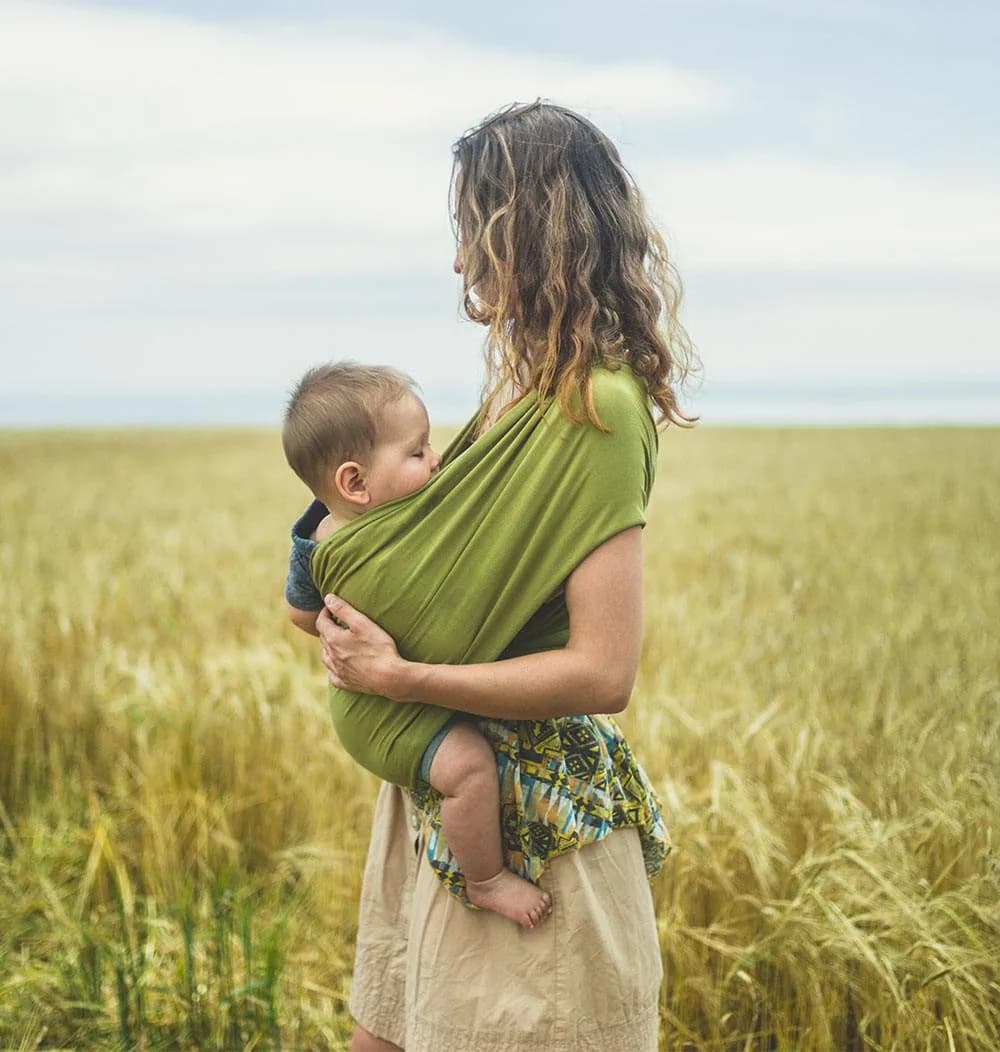
Babywearing keeps a baby upright, close and warm, which settles most of them and leaves your hands free. Skin contact and close carrying have good evidence behind them, with the WHO recommending kangaroo mother care for preterm and low-birth-weight babies. The catch in Singapore is heat, so airway and temperature deserve as much attention as the benefits.
Plenty of what circulates about babywearing is overstated. The parts that hold up are worth knowing precisely.
What close carrying genuinely does
The WHO recommends kangaroo mother care, meaning continuous skin-to-skin contact with early and exclusive breastfeeding, for preterm and low-birth-weight infants. Its documented effects in that group include better temperature stability, steadier heart rate and breathing, better weight gain and improved survival.
A carrier is not the same intervention. It does make the posture easier to sustain for an hour at a time, which is the practical point for a full-term baby at home.
Closeness also helps feeding. La Leche League's guidance on positioning rests on a similar idea, that a baby held close and upright against the chest can find the breast more readily, and babies kept close tend to be offered feeds more often. Frequent feeding is what protects supply in the early weeks.
Carrying and crying
Many babies cry less when they are carried. The NHS lists holding and skin contact among the things that soothe, and notes that crying tends to peak at around six to eight weeks before easing.
We used to quote precise percentages here from a secondary news article. They have been removed, because the numbers could not be traced to a source we would stand behind. The useful claim survives without them. Motion, warmth and your heartbeat calm a baby, and a carrier supplies all of it while you get something done.
Hands free in a city built for walking
Singapore makes a carrier more useful than a stroller for a lot of trips. Lift queues, hawker centre aisles, bus steps, the gap between an MRT platform and a crowded train, a sudden downpour while you are a block from home. A baby strapped to you handles all of it.
Older blocks without lift access on every floor make the case by themselves. So does a walk through a wet market, where a stroller simply does not fit.
Positioning, which is where safety lives
The point a parent gets wrong is almost never the brand. It is the position.
The airway comes first. Keep your baby's chin off her chest, with a gap of at least a finger's width under it. Her face should be visible without you moving fabric. The AAP's guidance on carriers and slings warns against any position that curls a young baby chin to chest, which can close a small airway silently.
High enough to kiss. Her head should sit close to your chin. A baby who has slipped low in the panel has usually slumped as well.
Thighs spread, knees above the bottom. This is the position that supports a developing hip joint. A narrow seat that leaves the legs hanging straight down puts the weight through the crotch instead.
Back supported, not forced straight. A newborn's spine is rounded and her neck muscles are weak. The fabric should follow that curve and support her head, rather than hold her rigid.
Our separate guide to baby carrier safety in Singapore works through the checks in more detail, including what to look for before each use.
Heat, which is the Singapore problem
Your body runs at 37°C. Add a fabric panel and a baby pressed against you, in air that sits around 30°C with high humidity, and you have built a small oven.
Overheating matters because the AAP lists it among the modifiable risks for sudden infant death. So count temperature as part of safe carrying as well as a matter of comfort.
- Check the back of her neck rather than her hands. Damp and hot there means take her out.
- Dress her in one light layer. The carrier and your body are the other two.
- Choose a panel with mesh or thin woven cotton over thick padded fabric.
- Skip the hood and the extra wrap outdoors. Use them in an air-conditioned mall, where the swing the other way is real.
- Keep a sun hat and water for yourself. A dehydrated parent is unsteady on stairs.
- On a hazy day, when the PSI is up, stay indoors with her instead.
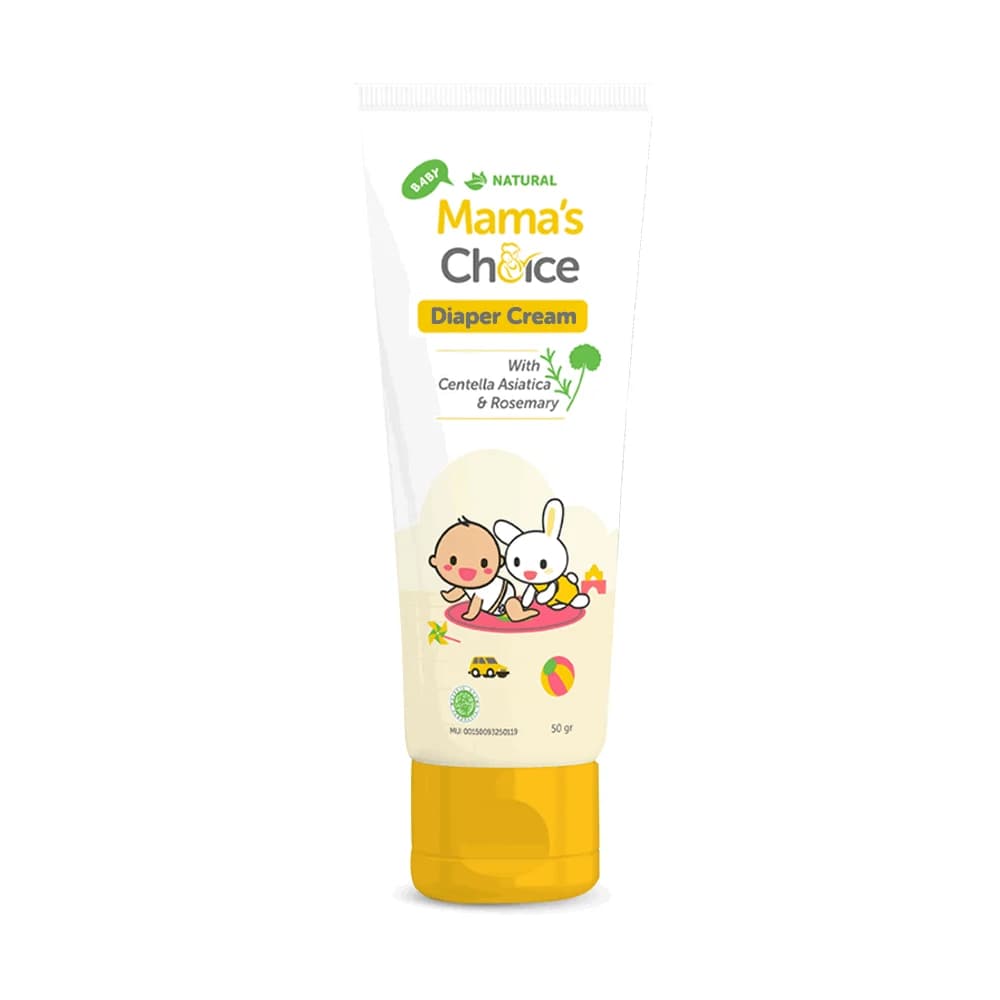
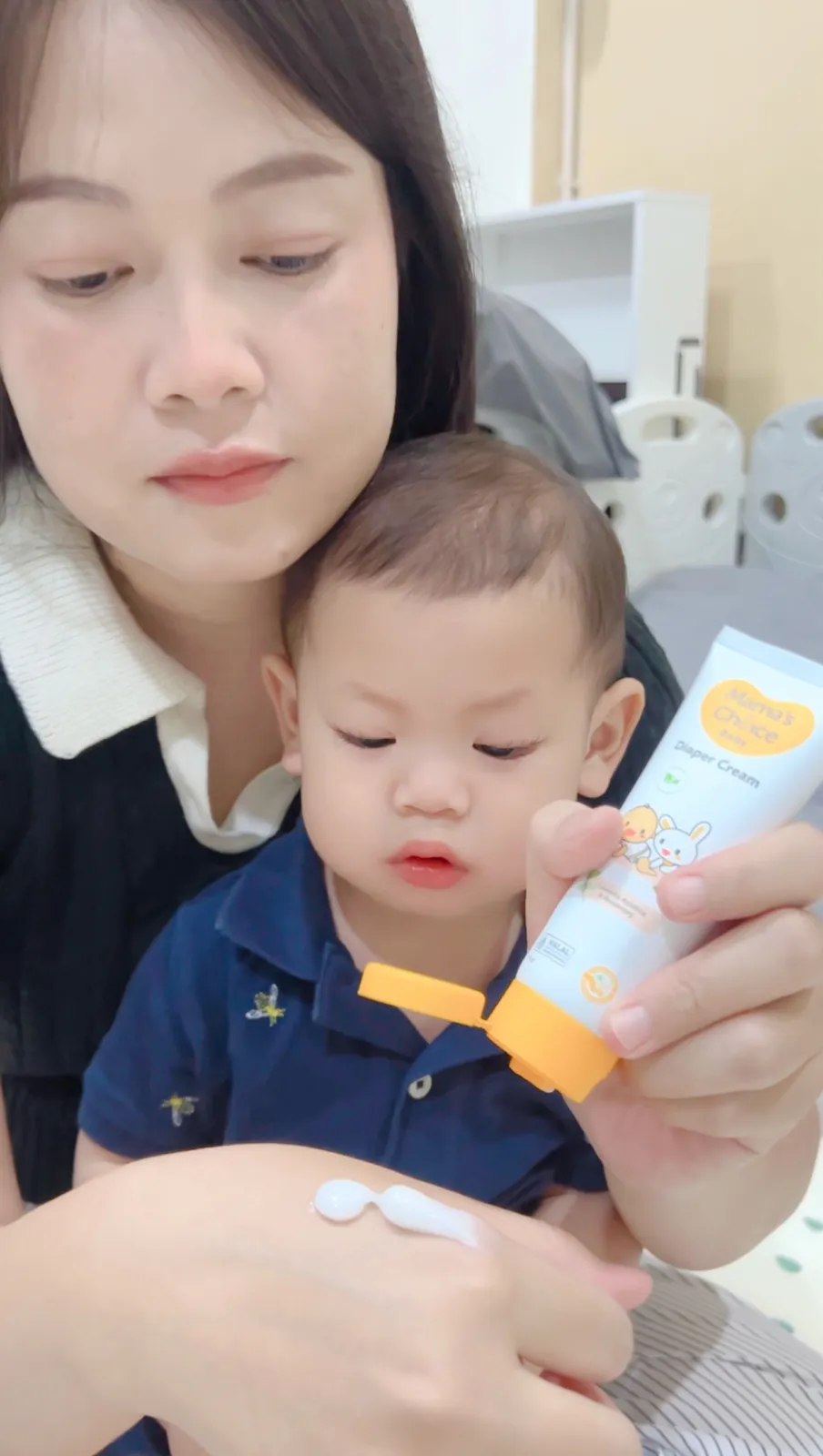
Trapped sweat where her skin meets the panel is the usual cause of the prickly rash that appears afterwards. Dry the neck and thigh folds properly when you unclip and give the skin some air. Heat rash usually settles on its own once the skin is cool and dry, and heavy creams on the rash itself can trap more sweat, so keep them off it. If the rash spreads, blisters or has not gone in a few days, see your polyclinic or GP. For the diaper area itself, our Baby Diaper Cream cushions and protects delicate skin from wetness and keeps it soft, which is worth having in the bag on a long day out.
What babywearing does not fix
It will not correct an existing flat spot on its own. Upright time helps, and our piece on flat head syndrome explains what actually shifts one and when to get it looked at.
It will not substitute for sleep, either. A baby who sleeps in a carrier is sleeping on you, which is lovely and unsustainable. Sleep habits that hold up need a flat, firm, empty surface, and so does the swaddle question we cover in what swaddling is for.
And it will not spare your back if the straps are slack. Tighten until the baby's weight sits on your hips rather than your shoulders, then tighten a little more.
Feeding while carrying, in public
A carrier makes discreet feeding easier, which in Singapore means you can nurse on a bench at a mall or in a nursing room without rearranging the whole operation. Unclip one side, loosen, latch, then retighten once she is on.
Watch the airway again afterwards. A baby who falls asleep at the breast inside a panel needs repositioning upright, not leaving where she is. Our notes on breastfeeding away from home cover where the better nursing rooms are and how to manage without one.
Frequently asked questions
- How long can I carry my baby each day?
- There is no fixed limit for a healthy baby in a well-fitted carrier. Take her out for a diaper change and a cool down every hour or two in Singapore weather, and whenever she feels hot to the touch on the back of the neck.
- Is babywearing safe for a newborn?
- Yes, with attention to the airway. A newborn has little head control, so her chin must stay off her chest, her face must be visible, and she should ride high enough on your chest that you could kiss the top of her head.
- Can babywearing help prevent a flat head?
- Time spent upright and off a mattress reduces the pressure on one spot that causes positional flattening. Supervised tummy time and varying which end of the cot she faces do the same work, and the AAP still asks that she sleeps on her back.
- Does a carrier cause hip problems?
- A carrier that lets the thighs spread with the knees higher than the bottom supports the hips in a healthy position. The ones worth avoiding are narrow-based seats that leave the legs dangling straight down with the weight on the crotch.
- My baby gets a prickly rash after being carried. What is that?
- Usually heat rash, from trapped sweat where her skin met the carrier panel. Cool her down, dry the folds properly and leave the area uncovered for a while. If it spreads, blisters or weeps, see your polyclinic.
Sources
- WHO — Kangaroo mother care recommendations for preterm and low-birth-weight infants
- AAP HealthyChildren — Baby carriers, backpacks, front packs and slings
- AAP — Safe sleep recommendations, including back sleeping and overheating
- NHS — Soothing a crying baby, including when crying peaks
- La Leche League International — Positioning and latch
- HealthHub (Health Promotion Board) — Caring for your newborn
Share this article
This article is for information only and is not a substitute for diagnosis or medical advice. Please talk to your doctor about your own situation.